



App-based drivers associated with ride-hailing platforms such as Ola, Uber and Rapido have announced a nationwide six-hour strike scheduled for February 7, raising concerns about possible disruptions to urban transport services. The protest, described as an “All India Breakdown,” is being organised by the Telangana Gig and Platform Workers Union (TGPWU), which represents gig workers across multiple aggregator platforms.
According to the union, drivers plan to remain offline from the apps during the protest window to draw attention to what they describe as declining earnings, lack of regulatory clarity, and growing competition from unregulated vehicles. The union has urged authorities to intervene by implementing minimum fare standards and strengthening enforcement of existing guidelines for digital transport services.
One of the central demands revolves around the Motor Vehicle Aggregator Guidelines, 2025. Worker representatives argue that despite the presence of these guidelines, aggregator platforms continue to set fares independently, leading to unpredictable incomes and financial instability for drivers. The absence of a government-notified minimum base fare has reportedly made earnings more volatile, particularly during periods of high fuel costs and increased operational expenses.

Another issue highlighted by the union is the alleged misuse of private vehicles for commercial rides. Drivers claim that allowing non-commercial vehicles to operate on aggregator platforms creates unfair competition for licensed operators who depend on ride-hailing work as their primary source of income. The union has called for stricter monitoring and enforcement to ensure that only authorised vehicles are used for commercial transport.
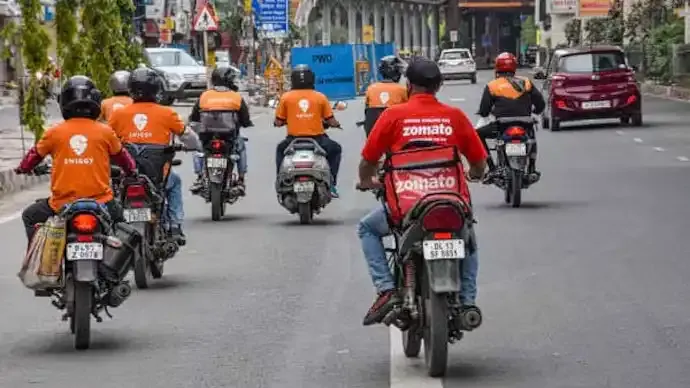
The announcement of the strike comes amid growing discussions about the working conditions of gig economy workers in India. Recent protests by delivery and logistics workers have also highlighted concerns about low pay, long working hours, and algorithm-driven pricing systems. These developments indicate rising pressure on policymakers to address structural challenges within the rapidly expanding gig sector.
Recent economic data suggests that the gig workforce has grown significantly, now accounting for a notable share of India’s overall employment landscape. However, income stability remains a major concern, with many workers reportedly earning modest monthly incomes despite increasing demand for digital services. Policy experts have recommended greater transparency in platform algorithms and stronger worker protections to ensure sustainable growth of the sector.
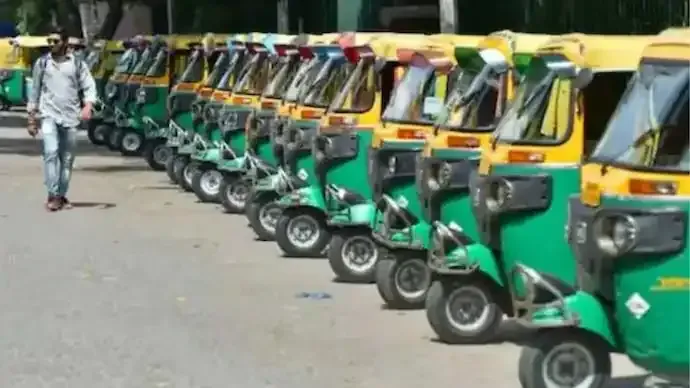
Transport services in several cities could face temporary disruptions if large numbers of drivers participate in the planned strike. While aggregator companies have yet to issue detailed responses, the protest highlights ongoing tensions between platform-based business models and worker welfare. As discussions around labour rights and digital regulation continue, the outcome of the strike may influence future policy decisions affecting India’s gig economy.





Conversation
Be kind and stay on topic. Comments are moderated; abuse, spam and personal attacks are removed. Report a problem