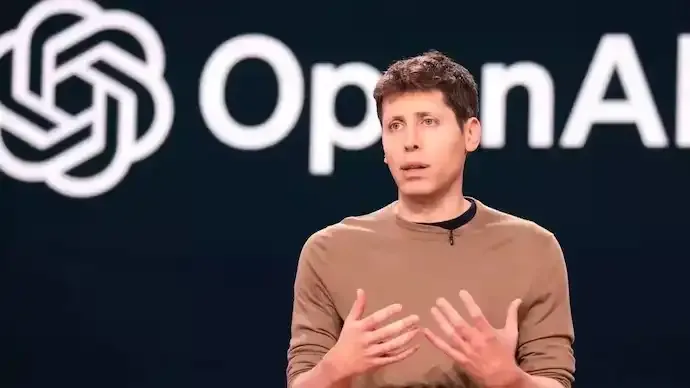
In a significant shift from its earlier stance, OpenAI has confirmed that advertisements will soon appear on ChatGPT, marking a major change in how the popular AI platform is monetised. The decision comes despite repeated warnings from OpenAI CEO Sam Altman, who had earlier cautioned that advertising could damage user trust and compromise the integrity of AI systems.
The move reflects growing financial pressure on OpenAI as it races to remain competitive in the rapidly evolving artificial intelligence landscape. With infrastructure costs soaring and competition intensifying, advertising is no longer being treated as a last resort but as a practical revenue stream to sustain long-term growth.
Here is the full story, explained in five key points:
1) From resistance to rollout
In May 2024, Sam Altman publicly expressed discomfort with the idea of ads in AI products, calling the combination “unsettling” and warning that it could undermine trust. At the time, he described advertising as something OpenAI would only consider under extreme circumstances. Less than two years later, the company has now confirmed that ads will be introduced in ChatGPT, signalling a clear departure from that position.
2) A gradual softening of tone
Altman’s opposition to ads did not disappear overnight. By mid-2024, he acknowledged that advertising might be acceptable if implemented carefully and transparently. In later discussions, he reiterated the need for caution, particularly given OpenAI’s past criticism of technology companies accused of creating addictive or manipulative digital products. This gradual shift laid the groundwork for the current decision.
3) Mounting costs drive the decision
The core factor behind the move is the enormous cost of operating large-scale AI systems. OpenAI is believed to have spending commitments running into trillions of dollars for data centres, computing power, and infrastructure. Unlike tech giants that have long relied on advertising revenue, OpenAI has operated largely without an ad-driven model. Its transition toward a more conventional for-profit structure underscores the need for sustainable income streams.
4) Ads limited to select users
OpenAI has clarified that advertisements will initially be shown only to free-tier and Go users of ChatGPT. Subscribers on Plus, Pro, Business, and Enterprise plans will not see ads. The company has also assured users that ads will be clearly labelled and will not influence chatbot responses. Importantly, OpenAI says user conversations will not be shared with advertisers.
5) Trust and privacy under scrutiny
Senior OpenAI leadership has emphasised that protecting user trust remains a priority. The company has stated that ads will not shape or bias the answers ChatGPT provides. OpenAI has also pledged to be highly respectful of user data, arguing that most concerns around advertising stem from opaque data practices rather than ads themselves. As ChatGPT enters the advertising space, the true test will be whether OpenAI can maintain credibility while balancing commercial pressures.
The introduction of ads marks a turning point for OpenAI and ChatGPT. While the company insists safeguards are in place, the decision revives long-standing concerns about whether advertising and artificial intelligence can coexist without eroding user confidence. How users respond in the coming months may ultimately determine whether this shift strengthens OpenAI’s future or validates the very concerns its CEO once raised.