



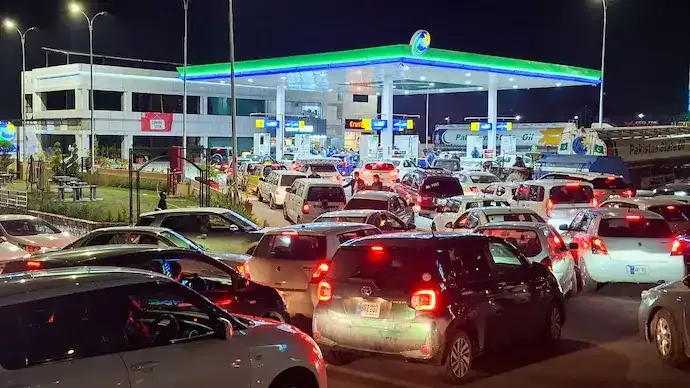
Amid rising regional tensions linked to the ongoing conflict involving Iran, Pakistan has announced strict austerity measures to manage a growing fuel crisis. The move reflects increasing pressure on energy supplies as geopolitical instability affects global markets.
The government’s decision aims to conserve fuel and stabilise essential resources during a period of uncertainty.
Early Shutdown of Markets and Public Spaces
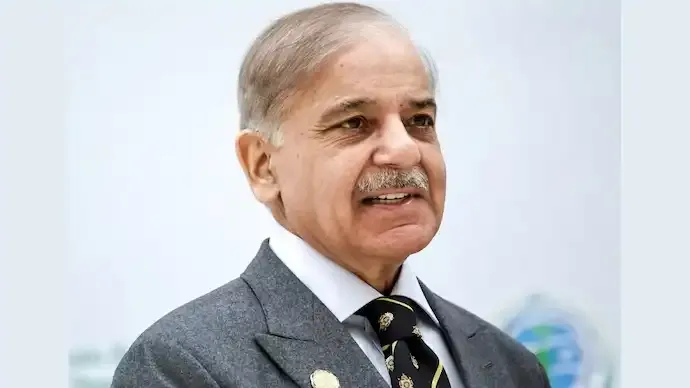
Following a high-level meeting chaired by Prime Minister Shehbaz Sharif, authorities have ordered the closure of markets, bazaars, and shopping malls by 8 pm across most parts of the country.

In certain regions, including divisional headquarters of Khyber Pakhtunkhwa, markets have been allowed to operate until 9 pm after consultations with local authorities.
Shops dealing in essential goods and departmental stores are also required to comply with the new timing regulations.
Restrictions on Events and Night Activities
The government has also imposed restrictions on social gatherings and events. Wedding halls and private ceremonies are now required to conclude by 10 pm, as part of broader efforts to reduce energy consumption.
These measures are expected to impact daily life significantly, especially in urban areas where nightlife and commercial activity extend late into the evening.
Fuel Crisis Linked to Regional Conflict
The current fuel shortage is being linked to disruptions in global supply chains caused by escalating tensions in the Gulf region. The ongoing conflict has affected oil transportation routes and increased uncertainty in international energy markets.
Pakistan, which relies heavily on fuel imports, is particularly vulnerable to such disruptions.
Economic and Social Impact
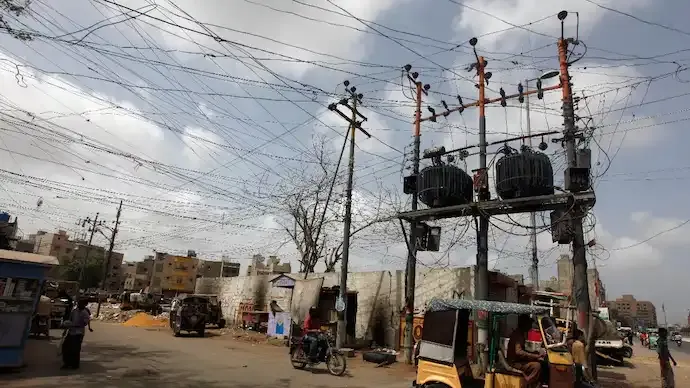
The austerity measures are likely to have a wide-ranging impact on businesses, especially retail and hospitality sectors. Reduced operating hours may lead to lower revenues and economic slowdown in certain sectors.
At the same time, the government has emphasized that these steps are necessary to ensure long-term stability and prevent a deeper crisis.
Government Focus on Resource Management
Officials have highlighted that the measures are temporary and aimed at managing available resources efficiently. The focus remains on balancing economic activity with the need to conserve fuel during a challenging period.
Authorities are also exploring additional strategies to address the crisis and ensure energy security.
Situation Remains Challenging
As the regional situation continues to evolve, Pakistan’s economic and energy outlook remains uncertain. The effectiveness of these measures will depend on both domestic implementation and global developments.
Observers believe that the coming weeks will be crucial in determining how the country navigates the ongoing crisis.





Conversation
Be kind and stay on topic. Comments are moderated; abuse, spam and personal attacks are removed. Report a problem