

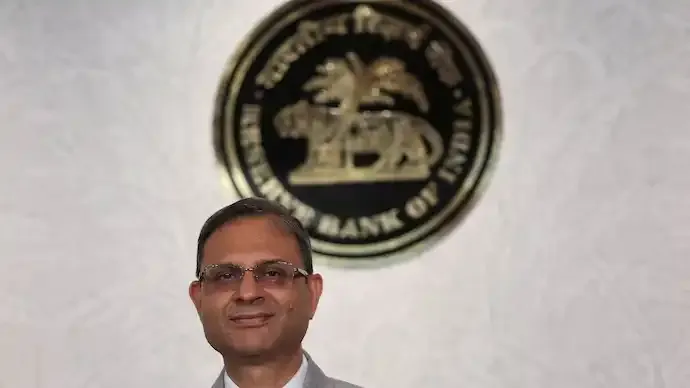

The Reserve Bank of India has begun its crucial Monetary Policy Committee (MPC) meeting at a time of rising global uncertainty. The policy decision, scheduled for April 8, is expected to address challenges posed by geopolitical tensions and increasing oil prices.
Currently, the repo rate stands at 5.25%, and the central bank faces a complex decision on whether to maintain, increase, or reduce rates.
Global Conflict Driving Economic Pressure
The ongoing conflict in West Asia, involving Iran, United States, and Israel, has disrupted global energy supply chains.

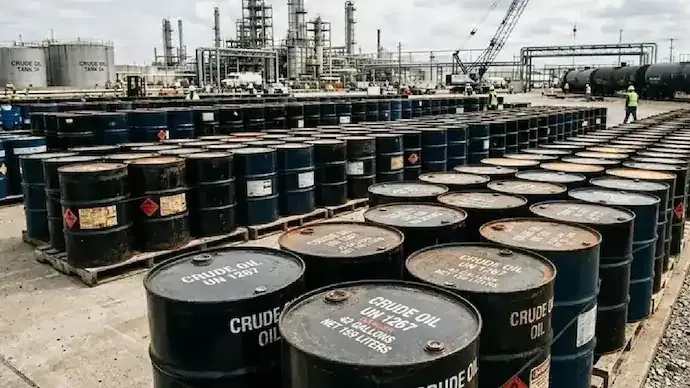
A key concern is the closure of the Strait of Hormuz, through which a major portion of global oil shipments pass. This has led to a sharp rise in crude oil prices, with Brent crude touching as high as $118 per barrel.
Why India Is Highly Impacted
India is particularly vulnerable to such disruptions:
- Imports 85–90% of its crude oil
- Around 40–52% imports pass through Hormuz
- Every $10 rise in oil increases import bill by ~$14 billion
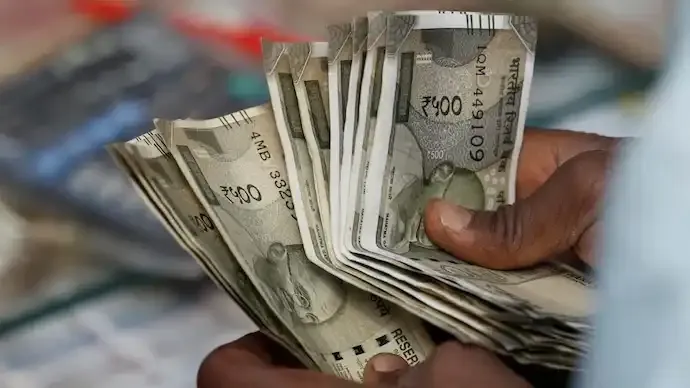
The rising oil prices have already weakened the rupee and triggered foreign investor outflows, putting pressure on financial markets.
Impact on Economy and Key Sectors
The ripple effects are being felt across multiple sectors:
- Agriculture: Fertiliser supply concerns ahead of Kharif season
- Industries: Higher costs in aviation, transport, and manufacturing
- Markets: Sensex and Nifty have seen sharp declines
- Remittances: Potential slowdown from Middle East inflows
These factors are collectively impacting economic stability.
Inflation vs Growth: RBI’s Tough Balancing Act
The RBI now faces a difficult situation:
- Rising oil prices → Higher inflation
- Slowing global demand → Lower growth
Experts believe inflation could rise closer to 5%, while GDP growth may slow to around 6–6.5% if oil prices remain high.
This creates a policy dilemma—whether to prioritise inflation control or economic growth.
What Experts Expect from RBI
Most analysts expect the RBI to maintain a cautious stance:
- Repo rate likely to remain unchanged
- Focus on monitoring inflation trends
- Possible tightening if inflation rises further
Markets will closely watch signals from RBI Governor on future policy direction.
What It Means for You
The RBI’s decision directly impacts everyday finances:
- Loan EMIs: Likely to remain stable if rates unchanged
- Fuel Prices: May increase due to higher oil costs
- Cost of Living: Expected to rise if inflation increases
The upcoming decision will provide clarity on how India plans to navigate this economic uncertainty.






Conversation
Be kind and stay on topic. Comments are moderated; abuse, spam and personal attacks are removed. Report a problem