Shopping cart
Your cart empty!


Your cart empty!
Terms of use dolor sit amet consectetur, adipisicing elit. Recusandae provident ullam aperiam quo ad non corrupti sit vel quam repellat ipsa quod sed, repellendus adipisci, ducimus ea modi odio assumenda.
Lorem ipsum dolor sit amet consectetur adipisicing elit. Sequi, cum esse possimus officiis amet ea voluptatibus libero! Dolorum assumenda esse, deserunt ipsum ad iusto! Praesentium error nobis tenetur at, quis nostrum facere excepturi architecto totam.
Lorem ipsum dolor sit amet consectetur adipisicing elit. Inventore, soluta alias eaque modi ipsum sint iusto fugiat vero velit rerum.
Sequi, cum esse possimus officiis amet ea voluptatibus libero! Dolorum assumenda esse, deserunt ipsum ad iusto! Praesentium error nobis tenetur at, quis nostrum facere excepturi architecto totam.
Lorem ipsum dolor sit amet consectetur adipisicing elit. Inventore, soluta alias eaque modi ipsum sint iusto fugiat vero velit rerum.
Dolor sit amet consectetur adipisicing elit. Sequi, cum esse possimus officiis amet ea voluptatibus libero! Dolorum assumenda esse, deserunt ipsum ad iusto! Praesentium error nobis tenetur at, quis nostrum facere excepturi architecto totam.
Lorem ipsum dolor sit amet consectetur adipisicing elit. Inventore, soluta alias eaque modi ipsum sint iusto fugiat vero velit rerum.
Sit amet consectetur adipisicing elit. Sequi, cum esse possimus officiis amet ea voluptatibus libero! Dolorum assumenda esse, deserunt ipsum ad iusto! Praesentium error nobis tenetur at, quis nostrum facere excepturi architecto totam.
Lorem ipsum dolor sit amet consectetur adipisicing elit. Inventore, soluta alias eaque modi ipsum sint iusto fugiat vero velit rerum.
Do you agree to our terms? Sign up
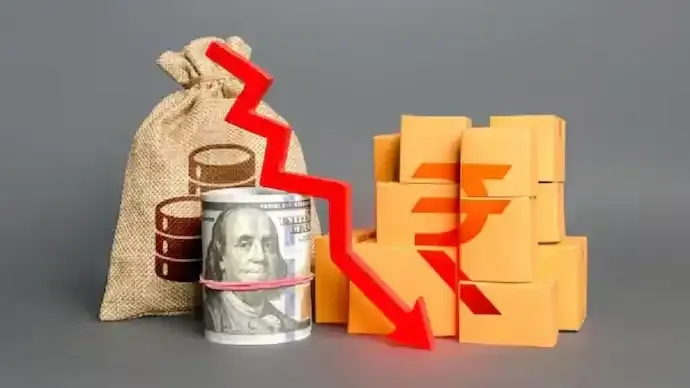
The Indian rupee breached the ₹90-per-dollar level for the first time on Wednesday, hitting 90.11 in early trade and marking a fresh all-time low. Although pressure had been building for weeks, the speed of the decline surprised market participants.
The currency’s weakness has heightened concerns among businesses, importers and economists ahead of the RBI’s policy review on Friday.
The rupee has come under sustained pressure due to delays in the India–US trade deal, rising global commodity prices, high import bills and sluggish foreign investment flows. A weaker rupee makes imported fuel, machinery, electronics and metals more expensive, thereby raising inflation risks.
Jateen Trivedi, VP – Research (Commodity & Currency), LKP Securities, said the lack of clarity on the trade deal timeline triggered aggressive selling in the rupee.
He noted that costlier imports — particularly metals and bullion — have made India’s import bill heavier, while higher US tariffs continue to dent export competitiveness.
Muted RBI intervention has also allowed the rupee to drift lower. Trivedi said a return above ₹89.80 will be essential to signal any recovery.
Sharp increases in the global prices of crude oil, gold, silver and industrial metals are widening the current account deficit. India’s heavy reliance on imported commodities has made sectors such as electronics, gems and jewellery, machinery and mineral fuels particularly vulnerable.
Experts say the RBI appears to be letting the rupee adjust naturally instead of defending a specific level.
Radhika Rao, Senior Economist at DBS Bank, told Reuters that the central bank may want the currency to “reflect macroeconomic shifts” while keeping India competitive in manufacturing.
Analysts believe this strategy helps protect forex reserves and avoids abrupt market distortions.
Portfolio outflows have intensified rupee pressure as foreign funds withdraw from Indian equities and debt amid global rate uncertainty.
A recent Bank of America report noted that although India’s forex reserves are healthy, prolonged outflows could limit RBI’s ability to intervene consistently. The brokerage expects the rupee to gradually recover and reach ₹86 per dollar by end-2026, aided by a potential weakening of the US dollar next year.
With the RBI’s Monetary Policy Committee meeting scheduled for Friday, markets expect no rate action but will closely monitor the central bank’s guidance on liquidity, inflation and foreign exchange strategy.
69
Published: Dec 03, 2025

All India Story is your trusted source for comprehensive and up-to-the-minute news coverage across India. Bringing you the latest on politics, business, technology, entertainment, sports, and more, we are dedicated to keeping you informed with accurate, engaging, and insightful stories from every corner of the nation.