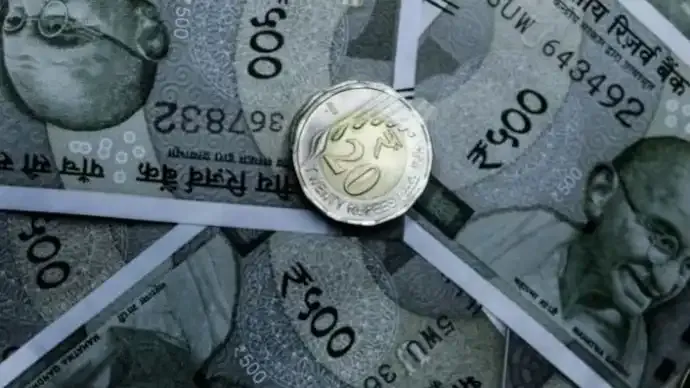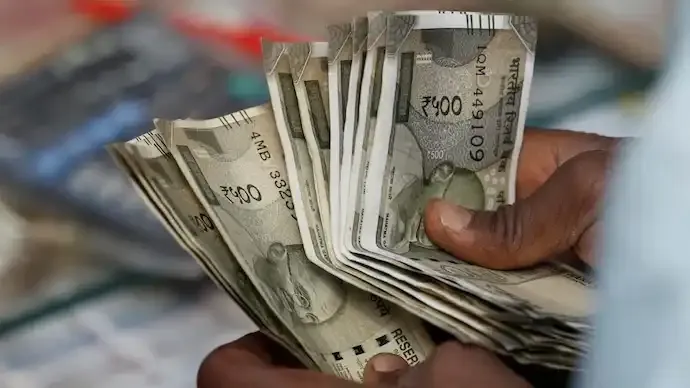
The Indian rupee has fallen to a historic low, breaching the Rs 93 mark against the US dollar for the first time. In early trade, the currency weakened to Rs 93.15, reflecting continued pressure from global economic factors and geopolitical uncertainties.
This sharp decline marks one of the most significant drops in recent times, raising concerns among investors and policymakers.
Global Tensions Impact Currency Movement
The recent fall in the rupee is largely attributed to escalating geopolitical tensions in West Asia. Ongoing conflicts in the region have disrupted energy infrastructure, leading to instability in global markets.
Such developments have increased investor caution, prompting a shift towards safer assets like the US dollar, thereby strengthening it against emerging market currencies.
Surge in Crude Oil Prices Adds Pressure
A major factor behind the rupee’s depreciation is the sharp rise in crude oil prices. As India is heavily dependent on oil imports, higher prices increase the country’s import bill, putting additional pressure on the domestic currency.
The surge in oil prices has directly impacted market sentiment, contributing to the rupee’s continued decline.
Investor Shift Towards Safe-Haven Assets
Market experts note that investors are increasingly moving towards safe-haven assets amid global uncertainty. This trend has boosted demand for the US dollar, further weakening currencies like the rupee.
The shift reflects growing risk aversion in global financial markets, especially during periods of geopolitical instability.
Impact on Indian Economy and Markets
The weakening rupee could have multiple implications for the Indian economy. While it may benefit exporters, it also raises the cost of imports, particularly fuel, which can lead to inflationary pressures.
Stock markets and other financial sectors may also experience volatility as investors adjust to changing economic conditions.
Outlook and Market Watch
Analysts suggest that the rupee’s movement in the coming days will depend on global developments, especially crude oil trends and geopolitical stability. Any further escalation in tensions could continue to impact the currency.
Authorities and financial institutions are expected to closely monitor the situation and take necessary measures if required.