

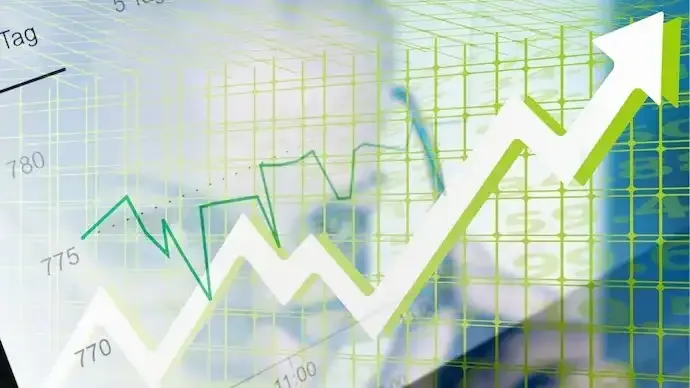

Concerns around Stagflation are resurfacing in 2026, creating uncertainty for investors across global markets. Stagflation is a challenging economic phase where inflation rises while economic growth slows and unemployment increases.
This combination makes it difficult for both policymakers and investors, as traditional strategies may not work effectively.
Why Stagflation Is a Concern for Investors
In such conditions, rising inflation pushes up the cost of raw materials and production, affecting corporate profitability. At the same time, weak economic growth limits income expansion and demand.

This creates volatility in financial markets, making it harder for investors to generate stable returns.
Diversification Becomes Crucial
Experts emphasize that diversification is the most effective strategy during stagflation. Spreading investments across multiple asset classes helps reduce risk and improve stability.
Instead of relying on a single asset type, investors should consider a balanced portfolio that includes equities, commodities, real estate, and fixed-income instruments.
Role of Different Asset Classes
Equities
Stocks may face pressure due to rising costs and lower earnings growth. However, certain sectors like energy and essential goods may perform relatively better.
Commodities
Commodities often gain value during inflationary periods. Assets like gold, oil, and metals can act as a hedge against rising prices.
Real Estate
Real estate can provide steady returns and act as a protection against inflation, especially in long-term investments.
Fixed Income and Bonds
While bonds may face challenges due to rising interest rates, they still offer stability and predictable returns, making them a key part of a diversified portfolio.
Shift in Investment Trends
During stagflation, money tends to move away from traditional high-growth assets toward safer and inflation-resistant options. This shift can change market dynamics and create new opportunities.
Focus on Risk Management
Investors are advised to focus on managing risk rather than chasing high returns. Preserving capital becomes equally important during uncertain economic conditions.
Long-Term Perspective Matters
Market fluctuations are common during stagflation, but maintaining a long-term investment perspective can help navigate volatility. Short-term reactions often lead to poor decision-making.
Global Factors Influencing Markets
Geopolitical tensions, rising oil prices, and supply chain disruptions are some of the factors contributing to stagflation fears. These elements continue to impact global economic stability.
Smart Investment Approach for 2026
A well-balanced portfolio, regular monitoring, and disciplined investing are essential strategies for navigating stagflation.
Preparing for Economic Uncertainty
While stagflation presents challenges, it also offers opportunities for informed investors. Understanding market trends and adapting strategies can help safeguard investments.






Conversation
Be kind and stay on topic. Comments are moderated; abuse, spam and personal attacks are removed. Report a problem