

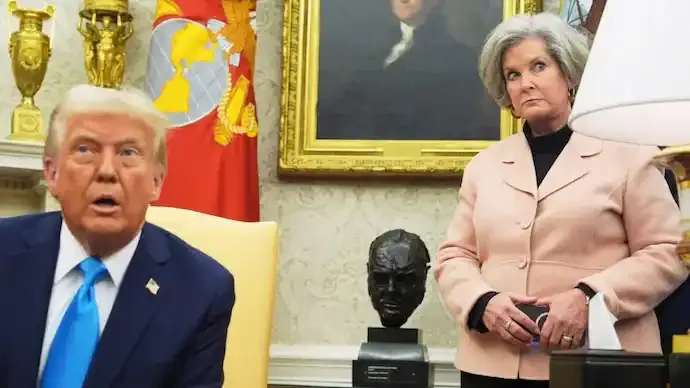
White House Chief of Staff Susie Wiles has delivered one of the most unusually candid insider accounts of the Trump administration, offering sharp criticism of senior officials and striking personal observations about President Donald Trump and his closest aides.
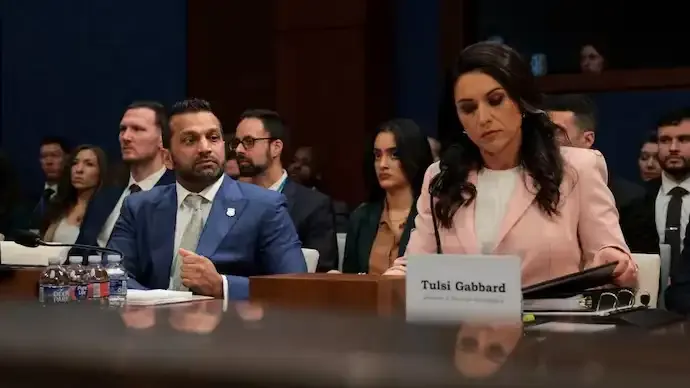
In a two-part Vanity Fair profile published this week, Wiles openly criticised Attorney General Pam Bondi’s handling of the Jeffrey Epstein case, saying the administration failed to grasp the intensity of public anger surrounding the issue. According to Wiles, Bondi misread Trump’s core support base by distributing binders of Epstein-related documents that contained no new information, triggering backlash rather than reassurance.
Wiles said Bondi further fuelled controversy by suggesting that a “client list” existed and was under review, a claim Wiles dismissed outright. The Justice Department now faces mounting pressure as it approaches a deadline to release Epstein-related records following legislation signed by Trump mandating their disclosure.
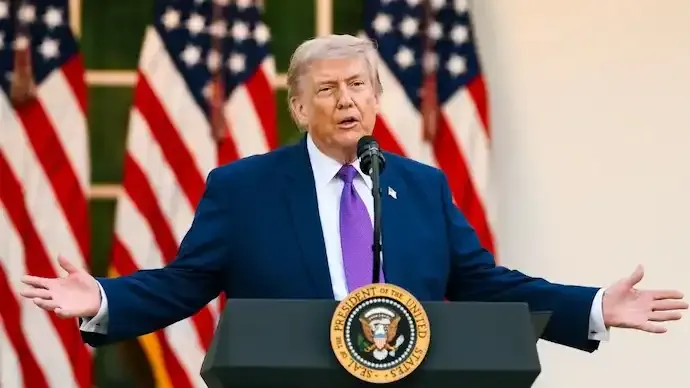
Offering rare personal insight into the president, Wiles described Trump as having “an alcoholic’s personality,” despite the fact that he does not drink. She explained that his intensity, exaggerated traits and unwavering confidence reminded her of high-functioning alcoholics she had known, including her late father, legendary sportscaster Pat Summerall. Wiles portrayed Trump as deeply outcome-focused, often showing little patience for process or convention.
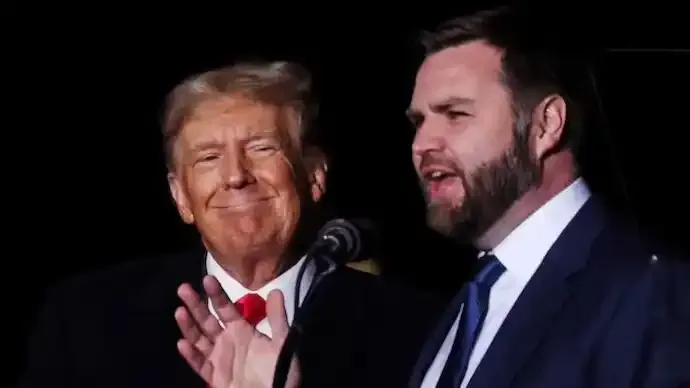
The profile also included blunt assessments of other senior figures. Wiles reportedly characterised Vice President JD Vance as a long-time conspiracy theorist and referred to Health Secretary Robert F. Kennedy Jr. as “quirky,” reflecting tensions and ideological differences within the administration’s inner circle.
She acknowledged that several second-term policy initiatives have proven more challenging than anticipated. Wiles conceded that mass deportation efforts encountered operational setbacks and that tariff policies imposed by the administration caused greater economic pain than expected.
On foreign policy, Wiles suggested Trump remains inclined toward aggressive military action against alleged drug trafficking operations off Venezuela’s coast, remarks that appeared to go beyond the administration’s official public stance. These comments have already drawn scrutiny from Congress amid concerns about civilian casualties.
Addressing allegations of political retribution, Wiles said part of her role is to restrain Trump’s impulses. While denying that the president is engaged in a broad campaign of vengeance, she acknowledged that the prosecution of New York Attorney General Letitia James could be viewed as an exception.
Following the article’s release, Wiles said the profile lacked context and portrayed the administration negatively, though she did not deny specific remarks. The White House publicly defended her, while Trump dismissed the report as misleading.
Conversation
Be kind and stay on topic. Comments are moderated; abuse, spam and personal attacks are removed. Report a problem