

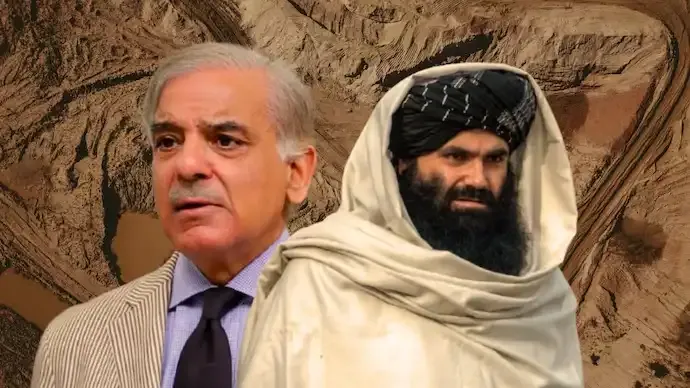

A deadly drone attack on a China-linked gold mine in Tajikistan’s Khatlon province has triggered a fresh political clash in South and Central Asia, with Pakistan and the Afghan Taliban pushing conflicting narratives about who is responsible.
On November 26, an armed drone dropped grenades and automatic weapons over the remote mining site, killing three Chinese nationals and injuring another. Tajikistan described the perpetrators as “criminal groups from a neighbouring country” seeking to destabilise the region, without directly naming Afghanistan.
The Taliban-led administration in Kabul rejected suggestions of involvement and blamed a mysterious “circle creating chaos, instability and distrust between regional countries.” Afghan officials said they would assist Tajikistan with information-sharing and technical cooperation to identify those behind the strike.

But while both Kabul and Dushanbe avoided naming each other, Pakistan immediately seized the moment, accusing the Afghan Taliban regime of allowing dangerous actors to operate freely from Afghan territory. Islamabad called it a “cowardly attack on Chinese nationals” and claimed the use of armed drones underscored the seriousness of threats emerging from Afghanistan.
The incident comes days after Pakistan also blamed Afghanistan for a shooting in the US, allegedly carried out by an Afghan national—an attempt many analysts interpret as part of Islamabad’s broader effort to portray itself as a terrorism victim rather than an enabler.
The latest exchange unfolds against a backdrop of long-standing friction between Pakistan and the Afghan Taliban, with Kabul accusing Islamabad of enabling US drone operations and sheltering Islamic State–Khorasan (ISKP) militants. Tajikistan, meanwhile, has repeatedly warned of cross-border extremist activity since the Taliban takeover in 2021, especially in regions bordering Afghanistan’s Badakhshan province.
Security analysts say Tajikistan’s southern Khatlon region has become a stronghold for Central Asian extremist groups, adding further complications to the geopolitical blame game. Some regional experts believe the attack could push China into taking a tougher stance on cross-border militancy and accelerate counterterror cooperation with Tajikistan and others.
For now, the identity of the attackers remains unclear, but the diplomatic fallout is already widening — with Pakistan and the Afghan Taliban once again using a crisis involving Chinese nationals to advance their competing narratives.






Conversation
Be kind and stay on topic. Comments are moderated; abuse, spam and personal attacks are removed. Report a problem