


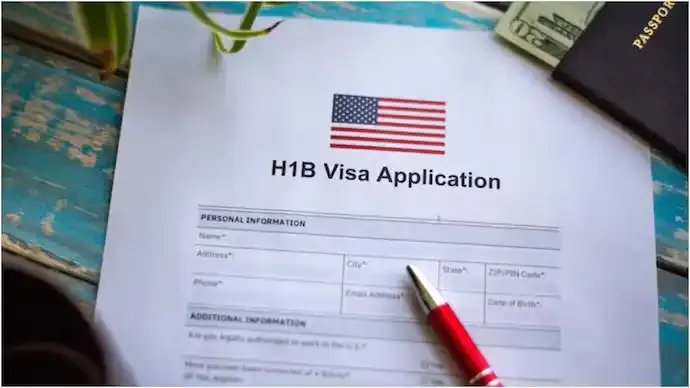
The Trump administration has ordered significantly tougher vetting for H-1B visa applicants, directing US consular officers worldwide to scrutinise applicants’ digital employment histories—including their LinkedIn profiles and resumes—to identify anyone involved in roles that Washington views as restricting free speech, Reuters reported.
According to a December 2 State Department cable, American diplomats must examine whether applicants or their family members have worked in content moderation, misinformation tracking, disinformation research, fact-checking, compliance, or online safety. These fields, US officials argue, may involve censoring speech protected under American law.
The cable instructs officers that if they find evidence of an applicant being responsible for—or complicit in—any such activities within the United States, they should consider the person “ineligible” for a visa, citing provisions of the Immigration and Nationality Act.

H-1B Under Special Scrutiny
While the directive applies to all visa categories, the memo highlights heightened checks for H-1B applicants because the majority are concentrated in technology sectors—especially social media, fintech, and data intelligence—areas the Trump administration has repeatedly accused of suppressing free expression.
Both first-time applicants and those renewing visas will face the new screening process.
H-1B visas are critical for the US tech workforce, with India and China accounting for the bulk of recipients. Over 70% of all 85,000 H-1B visas issued annually go to Indian nationals. Many tech leaders supported Trump last year, anticipating pro-business reforms, even as immigration rules grew tighter. The latest directive adds another layer of uncertainty.
Part of Trump’s Free Speech Agenda
The Trump administration has made “defending free speech” a pillar of its foreign and domestic policy. US officials have publicly criticised Germany, France, Romania and other allies for allegedly suppressing conservative viewpoints under the guise of countering misinformation.
Republican lawmakers, including Senator Marco Rubio, have pushed for visa bans targeting anyone involved in policing or moderating online content that touches US political speech. The administration has already expanded social-media checks for student visas and increased H-1B fees as part of broader immigration reforms.
What It Means for India
This policy shift aligns with the administration’s broader Trump 2.0 approach—pro-business rhetoric paired with nationalist immigration barriers. Although framed as a defence of free expression, the move directly impacts the Indian tech workforce, which dominates the H-1B program.
Industry groups like NASSCOM have urged Indian firms to audit employee LinkedIn profiles and role descriptions to minimize rejection risks. With US policymakers linking immigration to domestic political narratives on censorship, Indian tech companies are preparing for disruptions in overseas talent deployment.
Despite the crackdown, some analysts suggest the policy could indirectly benefit India by prompting talented engineers to stay back, strengthening the country’s domestic tech ecosystem over the long term.





Conversation
Be kind and stay on topic. Comments are moderated; abuse, spam and personal attacks are removed. Report a problem