Shopping cart
Your cart empty!


Your cart empty!
Terms of use dolor sit amet consectetur, adipisicing elit. Recusandae provident ullam aperiam quo ad non corrupti sit vel quam repellat ipsa quod sed, repellendus adipisci, ducimus ea modi odio assumenda.
Lorem ipsum dolor sit amet consectetur adipisicing elit. Sequi, cum esse possimus officiis amet ea voluptatibus libero! Dolorum assumenda esse, deserunt ipsum ad iusto! Praesentium error nobis tenetur at, quis nostrum facere excepturi architecto totam.
Lorem ipsum dolor sit amet consectetur adipisicing elit. Inventore, soluta alias eaque modi ipsum sint iusto fugiat vero velit rerum.
Sequi, cum esse possimus officiis amet ea voluptatibus libero! Dolorum assumenda esse, deserunt ipsum ad iusto! Praesentium error nobis tenetur at, quis nostrum facere excepturi architecto totam.
Lorem ipsum dolor sit amet consectetur adipisicing elit. Inventore, soluta alias eaque modi ipsum sint iusto fugiat vero velit rerum.
Dolor sit amet consectetur adipisicing elit. Sequi, cum esse possimus officiis amet ea voluptatibus libero! Dolorum assumenda esse, deserunt ipsum ad iusto! Praesentium error nobis tenetur at, quis nostrum facere excepturi architecto totam.
Lorem ipsum dolor sit amet consectetur adipisicing elit. Inventore, soluta alias eaque modi ipsum sint iusto fugiat vero velit rerum.
Sit amet consectetur adipisicing elit. Sequi, cum esse possimus officiis amet ea voluptatibus libero! Dolorum assumenda esse, deserunt ipsum ad iusto! Praesentium error nobis tenetur at, quis nostrum facere excepturi architecto totam.
Lorem ipsum dolor sit amet consectetur adipisicing elit. Inventore, soluta alias eaque modi ipsum sint iusto fugiat vero velit rerum.
Do you agree to our terms? Sign up

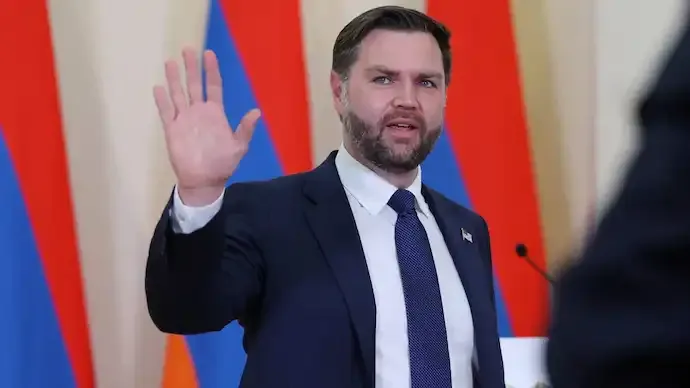
The White House has removed a social media post from US Vice President JD Vance’s official account after it referred to the mass killings of Armenians in 1915 as a “genocide,” a term that remains highly sensitive in international diplomacy. The deletion came shortly after the post sparked criticism and raised questions about Washington’s stance toward Turkey, a key NATO ally.

The message was published during Vance’s visit to Armenia, where he attended a ceremonial event at the Tsitsernakaberd memorial in Yerevan. The visit marked a historic moment as the first trip by a US vice president to the South Caucasus nation. The original post described the visit as honoring victims of the Armenian genocide, but it was later removed, with officials stating that the wording had been uploaded in error by staff members.
According to a spokesperson, the vice president’s account is managed by a communications team that primarily shares images and updates from official engagements. The White House emphasised that the deleted message did not reflect a change in US policy and reiterated that official positions remain aligned with previous statements made by President Donald Trump, who has avoided using the term “genocide” in reference to the 1915 events.
The issue is politically sensitive because Turkey rejects the characterization of the killings as genocide, arguing that deaths occurred during wartime clashes rather than through a coordinated campaign. The historical interpretation continues to influence diplomatic relations between Washington, Ankara, and Yerevan. While earlier US administrations and Congress have recognised the events as genocide, the current administration has taken a more cautious approach in its official language.
The controversy surrounding the post follows another recent incident in which a separate social media message linked to the administration was deleted after criticism, prompting broader debate about communication protocols and oversight. Officials, however, dismissed concerns about systemic problems with social media management and maintained that staff corrections are part of routine digital operations.
During his visit, Vance and Armenian leaders discussed regional cooperation and signed agreements aimed at expanding energy collaboration, including plans that could lead to the development of a new nuclear power facility. The trip also focused on diplomatic efforts to promote long-term stability between Armenia and Azerbaijan after decades of conflict in the region. Analysts view the outreach as part of a broader strategy to strengthen US influence in the South Caucasus, a region historically shaped by competing geopolitical interests.
When asked by reporters about the memorial visit, Vance described the tragedy as a deeply painful historical event for the Armenian people and said his presence was intended to show respect for victims and reinforce bilateral ties. He avoided using politically charged terminology during his public remarks, highlighting the administration’s careful balancing of diplomatic sensitivities.
The episode has triggered reactions from lawmakers and diaspora communities, with some critics accusing the administration of retreating from historical recognition. Others argue the situation reflects the complex reality of navigating alliances while addressing historical grievances. As US foreign policy continues to evolve in a volatile geopolitical landscape, incidents like this underscore the challenges leaders face when historical narratives intersect with modern diplomacy.
27
Published: Feb 11, 2026

All India Story is your trusted source for comprehensive and up-to-the-minute news coverage across India. Bringing you the latest on politics, business, technology, entertainment, sports, and more, we are dedicated to keeping you informed with accurate, engaging, and insightful stories from every corner of the nation.