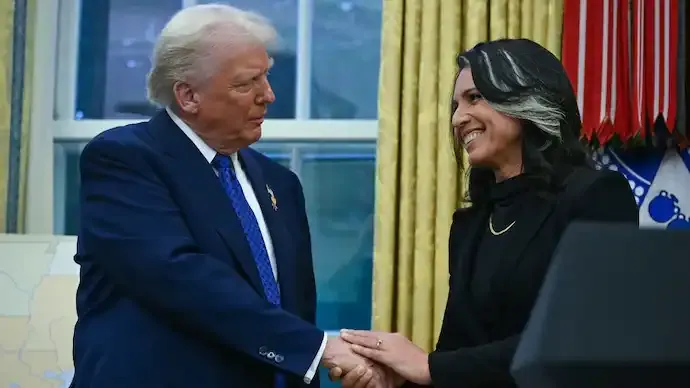
US Director of National Intelligence Tulsi Gabbard has wound down a controversial task force created during President Donald Trump’s administration, a move that comes amid mounting criticism from lawmakers and political observers who accused the initiative of partisan targeting within the intelligence community. The development signals a significant shift inside US intelligence leadership at a time of heightened political scrutiny.
The task force, widely known as the Director’s Initiatives Group (DIG), was originally launched with the stated goal of addressing alleged politicisation within intelligence agencies and accelerating high-priority projects tied to presidential directives. According to official statements, members of the group have now been reassigned to other divisions within the Office of the Director of National Intelligence (ODNI), marking the end of a program that had drawn attention from Congress and policy analysts.
Gabbard’s office maintained that the DIG was always intended to be a temporary structure designed to meet urgent operational goals. Officials denied allegations of internal missteps and emphasised that the decision to wind down the group reflects the completion of its short-term objectives rather than any failure in execution. The ODNI stated that resources and expertise from the task force would continue to support broader intelligence operations through new team placements.
Despite these assurances, critics argued that the DIG operated with limited transparency and raised concerns about its potential political motivations. Several members of Congress questioned the structure and hiring practices associated with the group, prompting legislation requiring detailed reporting on its leadership, staffing, and activities. Although a classified report was expected earlier, officials indicated that the information would still be provided to lawmakers.
The closure of the task force comes amid broader controversy surrounding Gabbard’s role in election-related investigations. Democratic leaders have expressed concern over intelligence involvement in certain domestic matters, including election security reviews and law enforcement operations linked to voting infrastructure. The White House has defended these actions, stating that protecting election integrity falls within national security priorities.
Supporters of the DIG pointed to achievements such as declassifying historically significant intelligence files and implementing executive orders aimed at increasing transparency. However, critics maintained that some efforts appeared politically motivated, particularly when claims about past administrations’ actions were disputed by intelligence reviews and bipartisan congressional reports.
Sources familiar with internal discussions suggested that alleged operational errors and heightened political pressure influenced the decision to discontinue the task force. Among the controversies were disputes over investigative findings and concerns about handling sensitive information, though ODNI officials rejected accusations of wrongdoing and insisted that all actions followed legal procedures.
The debate surrounding the DIG reflects ongoing tensions within US politics over the role of intelligence agencies in domestic issues and the balance between national security and political neutrality. Analysts say the decision to dissolve the group could ease some congressional concerns, but it is unlikely to end wider debates about oversight, transparency, and the influence of partisan dynamics on intelligence operations.
As Washington continues to navigate a politically charged environment, the restructuring within the ODNI highlights the challenges faced by intelligence leaders attempting to maintain public trust while addressing evolving security priorities.
Prev Article
Donald Trump Epstein Files Claim He Told Police ‘Everyone Knew’ About Financier’s Behaviour, FBI Records Reveal
Next Article
JD Vance Post Referring To Armenian Genocide Deleted By White House After Backlash During Armenia Visit