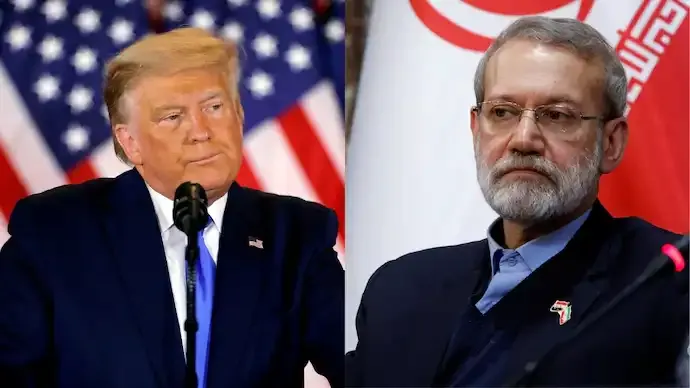
Amid escalating unrest in Iran, a senior envoy from the White House has quietly held talks with exiled Iranian opposition figure Reza Pahlavi, signalling a potential shift in Washington’s engagement as protests intensify across the Islamic Republic.
According to reports, US envoy Steve Witkoff met Reza Pahlavi over the weekend to discuss the widespread demonstrations that have gripped Iranian cities for more than two weeks. A senior US official confirmed the meeting, describing it as the first known high-level contact between the current US administration and Iranian opposition figures since the protests began.
The unrest, described by rights groups as the deadliest in decades, has reportedly claimed over 2,000 lives nationwide. What began as protests driven by economic hardship has rapidly evolved into a broader challenge to Iran’s ruling theocratic system. Demonstrators have openly voiced opposition to the country’s leadership, marking a significant escalation in both scale and intensity.
Reza Pahlavi, the son of Iran’s last monarch, has emerged as one of the most prominent opposition voices during the crisis. Living in exile in the United States, Pahlavi has spent the past two weeks making frequent appearances on major American television networks, urging Washington and the international community to support Iranian protesters. He has portrayed the current moment as a turning point, arguing that the movement goes beyond calls for reform and instead represents a rejection of the existing system of governance.
Until recently, Pahlavi’s positioning as a possible transitional figure following any potential collapse of the current regime had gained limited traction in US policy circles. However, the scale of the unrest and the growing death toll appear to have renewed interest in understanding the role opposition figures could play in a post-crisis scenario.
Despite the reported contact, US President Donald Trump has publicly stopped short of endorsing any single opposition leader. In a recent media interview, Trump said he was not backing a specific figure, though his rhetoric toward Tehran has become increasingly confrontational as reports of violence mounted.
Trump has used social media to issue strong messages directed at protesters, urging them to continue demonstrations and calling on them to seize control of state institutions. He also announced that all meetings with Iranian officials had been cancelled until what he described as the killing of protesters comes to an end. These statements reflect a hardening public stance, even as official policy signals remain cautious.
Human rights organisations say the true scale of casualties only began to emerge after brief disruptions to Iran’s internet and phone networks eased, allowing information to flow out of the country. The Human Rights Activists News Agency reported that at least 2,003 people had been killed as of Tuesday.
Iranian state media has since offered its first indirect acknowledgement of the toll, with an unnamed official referring to a large number of “martyrs” while claiming delays in releasing figures were due to the condition of recovered bodies. The admission followed the publication of independent casualty estimates by activists.
The protests have increasingly targeted Iran’s political leadership, including Ayatollah Ali Khamenei, underscoring how economic frustration has transformed into a direct challenge to the country’s power structure. As unrest continues, the reported US outreach to opposition figures highlights the growing international focus on Iran’s unfolding crisis.
Prev Article
Trump Warns US Is “Screwed” Ahead of Supreme Court Ruling on Tariff Powers
Next Article
Iran Security Chief Ali Larijani Blasts Trump After He Backs Protesters