

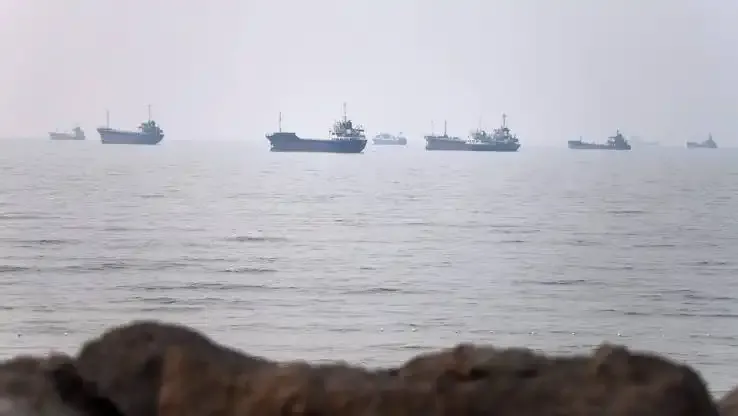

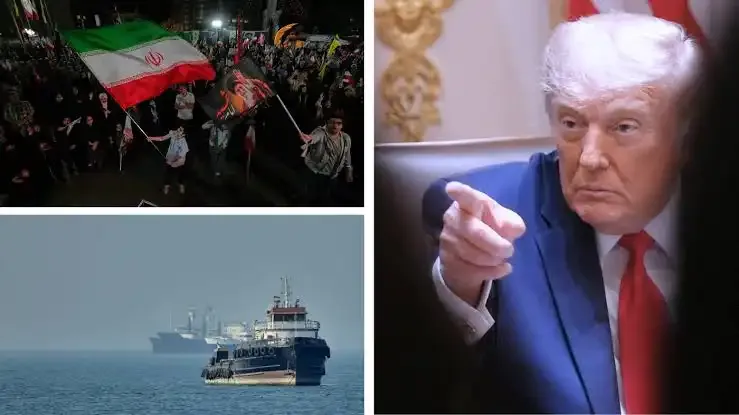
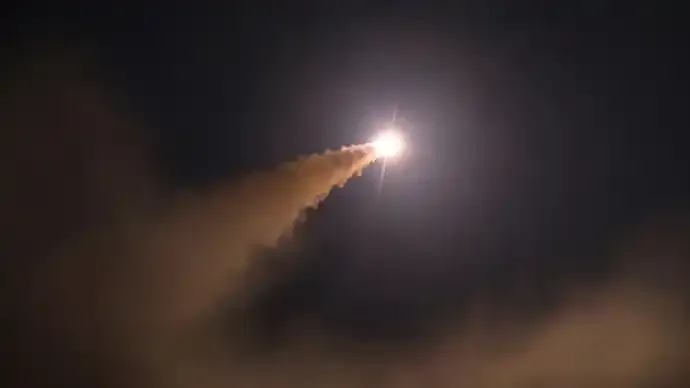
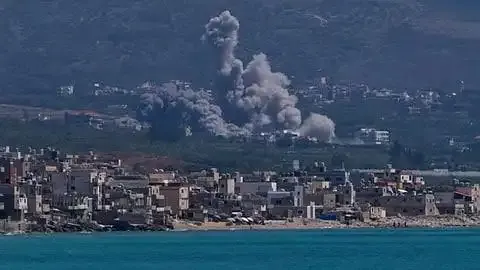
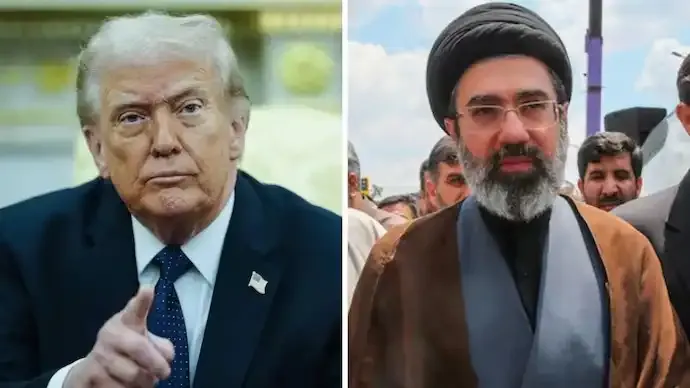
The United States launched military strikes on Iranian targets early Wednesday after accusing Tehran of attacking commercial vessels in the Strait of Hormuz, triggering a fresh escalation in the Middle East.
Iran responded with strikes towards Bahrain and Kuwait, prompting missile alerts across the Gulf and casting doubt over a fragile ceasefire that had raised hopes of renewed diplomatic negotiations.
The latest confrontation has also intensified concerns over global energy security, maritime trade and the future of negotiations over Iran's nuclear programme.

US launches strikes on Iranian military targets
According to US Central Command (CENTCOM), American forces targeted multiple Iranian military installations, including:
- Air defence systems
- Radar facilities
- More than 60 fast attack boats operated by Iran's Islamic Revolutionary Guard Corps (IRGC)
The US said the operation was carried out in response to attacks on commercial shipping in international waters.
Officials stated that the strikes were intended to impose "heavy costs" for threatening international maritime security.
Iran retaliates after US operation
Following the US strikes, Iran reportedly launched retaliatory attacks towards Bahrain and Kuwait, where American military forces maintain major regional bases.
Missile alerts were activated in both countries as regional security forces monitored the developing situation.
Iran's military vowed to respond decisively, insisting it would not allow foreign powers to interfere in the Strait of Hormuz.
Strait of Hormuz remains at the centre of tensions
The latest escalation follows attacks on three commercial vessels transiting the Strait of Hormuz.
According to maritime authorities:
- One tanker caught fire after being struck near Oman.
- Two additional vessels sustained damage but continued their journeys.
- No casualties were immediately reported.
The Strait of Hormuz remains one of the world's most strategically important waterways, handling nearly one-fifth of global oil and liquefied natural gas trade under normal conditions.
US tightens pressure on Iranian oil exports
Alongside the military operation, Washington revoked a licence that had allowed Iran to openly sell crude oil on international markets under an interim agreement.
The move is expected to further tighten economic pressure on Tehran while complicating ongoing diplomatic efforts.
Iran has long faced sanctions over its oil exports, with previous shipments often routed through indirect channels.
Diplomatic talks face fresh uncertainty
The renewed violence has jeopardised efforts to revive negotiations between Washington and Tehran.
Talks were expected to resume following the funeral ceremonies of Iran's late Supreme Leader Ayatollah Ali Khamenei, focusing on:
- Freedom of navigation in the Strait of Hormuz
- Iran's nuclear programme
- Regional security arrangements
- Maritime trade
The latest military exchange now places those discussions in doubt.
Global energy markets on alert
The renewed confrontation has once again highlighted the vulnerability of global energy supply chains.
Any prolonged disruption in the Strait of Hormuz could affect:
- Global crude oil prices
- LNG shipments
- Shipping insurance costs
- International trade routes
- Energy-importing economies
Analysts continue to monitor developments closely as markets assess the potential impact.
Why this matters
The Strait of Hormuz remains one of the world's most critical energy corridors.
Military escalation between the United States and Iran not only threatens regional stability but also carries significant implications for global oil markets, shipping security and broader geopolitical relations.
Featured Snippet
The United States launched strikes on Iranian military targets after accusing Tehran of attacking commercial vessels in the Strait of Hormuz. Iran responded with strikes towards Bahrain and Kuwait, escalating tensions and raising concerns over global energy security and future diplomatic negotiations.
Key Highlights
- The US struck Iranian military targets following attacks on commercial ships.
- Iran retaliated with strikes towards Bahrain and Kuwait.
- Missile alerts were activated across parts of the Gulf.
- CENTCOM targeted air defence systems, radar sites and IRGC boats.
- The Strait of Hormuz remains central to the regional crisis.
- Washington tightened sanctions by restricting Iranian oil sales.
- Planned US-Iran diplomatic talks now face uncertainty.
- Global energy markets continue monitoring the developing situation.
Conclusion
The latest exchange between the United States and Iran marks another dangerous escalation in an already fragile regional environment. With tensions rising around the Strait of Hormuz, diplomatic efforts stalled and energy markets closely watching developments, the crisis underscores the strategic importance of Gulf security for both regional stability and the global economy.
FAQs
1. Why did the US strike Iran?
The United States said it launched strikes in response to Iranian attacks on commercial vessels operating in the Strait of Hormuz.
2. How did Iran respond?
Iran reportedly launched retaliatory strikes towards Bahrain and Kuwait while warning against foreign interference in the Strait of Hormuz.
3. Why is the Strait of Hormuz important?
It is one of the world's busiest energy shipping routes, carrying around one-fifth of global oil and LNG exports.
4. What military targets did the US strike?
According to CENTCOM, the operation targeted Iranian air defence systems, radar installations and Revolutionary Guard fast attack boats.
5. How could this affect global oil prices?
Any disruption to shipping through the Strait of Hormuz could reduce energy supplies and increase global crude oil prices.
6. What happened to Iranian oil exports?
The US revoked a licence that had allowed Iran to openly sell crude oil under an interim agreement.
7. Are US-Iran talks continuing?
Negotiations appear to have been delayed as both sides reassess the situation following the latest military escalation.
8. Why are Bahrain and Kuwait involved?
Both countries host major US military installations, making them strategically important during regional security crises.




Conversation
Be kind and stay on topic. Comments are moderated; abuse, spam and personal attacks are removed. Report a problem