

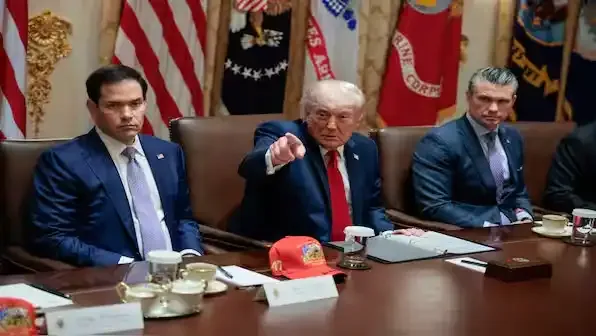

The United States has imposed a 10% tariff on goods imported from India under a new trade action targeting products linked to forced labour, while lowering the proposed rate after recognising India's recent policy changes aimed at banning such imports.
The tariffs, announced under Section 301 of the US Trade Act of 1974, came into effect at 12:01 am on Friday and apply to 60 economies as part of Washington's broader effort to strengthen global enforcement against forced labour in international supply chains.
Why Was India's Tariff Reduced?
India was initially among the countries expected to face a 12.5% tariff under the proposed action.

However, the US reduced the levy to 10% after New Delhi amended its Foreign Trade Policy on June 14, introducing a prohibition on the import of goods produced using forced labour.
According to the White House, the policy change demonstrated progress toward addressing forced labour concerns, although Washington said continued enforcement would remain important.
Trump Administration Explains Decision
In a memorandum issued on Thursday, US President Donald Trump said the revised tariff rate reflected recommendations made by the US Trade Representative (USTR) after reviewing policy changes introduced by several countries.
The administration said the lower tariff would encourage governments to effectively implement and enforce bans on imports linked to forced labour while maintaining pressure for continued compliance.
What Are the New Tariffs?
Under the latest US action:
- 17 economies, including India, Canada, the United Kingdom, Bangladesh and Pakistan, will face a 10% tariff.
- The remaining 43 economies will be subject to a 12.5% tariff.
The tariffs were imposed following investigations under Section 301 of the Trade Act, which authorises the US government to respond to practices considered harmful to American commerce.
Certain Products Exempted
The United States said the tariffs will not apply to:
- Raw materials whose restriction could create domestic shortages.
- Products that may cause widespread economic disruption.
- Goods that cannot be sufficiently produced or cultivated within the United States.
The exemptions are intended to minimise disruption to critical supply chains while maintaining pressure on imports linked to forced labour practices.
India-US Trade Relations Continue
Despite the new tariffs, India remains one of the United States' most significant trading partners.
According to official commerce data:
- Bilateral goods trade in 2025 was valued at nearly USD 141 billion.
- India's exports to the United States totalled approximately USD 87.3 billion.
India has also challenged the US investigations that led to the tariffs, maintaining that such issues should be addressed through the ongoing India-US bilateral trade negotiations.
Strategic Signal Beyond the Tariff
Trade analysts believe the reduction from 12.5% to 10% carries greater diplomatic significance than its numerical difference suggests.
The move indicates that Washington is prepared to acknowledge policy reforms undertaken by trading partners while continuing to use tariffs as a tool to encourage stronger enforcement against forced labour.
The development also signals that broader economic engagement between India and the United States remains on track despite continuing trade negotiations.
Key Highlights
- The US has imposed a 10% tariff on Indian goods under a new forced labour trade action.
- India's tariff was reduced from the proposed 12.5% after New Delhi amended its Foreign Trade Policy.
- The policy now prohibits imports of goods produced using forced labour.
- The tariffs apply to 60 economies under Section 301 of the US Trade Act.
- India remains one of the United States' largest trading partners despite the new measures.
- Bilateral trade between India and the US reached nearly USD 141 billion in 2025.
Frequently Asked Questions (FAQs)
Why did the US reduce tariffs on Indian goods?
The United States lowered the proposed tariff from 12.5% to 10% after India amended its Foreign Trade Policy to prohibit imports of goods produced using forced labour.
What law was used to impose the tariffs?
The tariffs were introduced under Section 301 of the US Trade Act of 1974, which allows the US to respond to certain foreign trade practices.
How many countries are affected?
The latest action applies to 60 economies, with 17 countries, including India, facing a 10% tariff and the remaining countries subject to 12.5%.
Are all products covered by the tariffs?
No. Certain raw materials and products essential to US supply chains or unavailable through domestic production have been exempted.
What is the current value of India-US trade?
According to official data, bilateral goods trade between India and the United States reached nearly USD 141 billion in 2025.
Has India responded?
India has contested the US investigations and said such trade issues should be addressed as part of the ongoing bilateral trade agreement negotiations.





Conversation
Be kind and stay on topic. Comments are moderated; abuse, spam and personal attacks are removed. Report a problem