
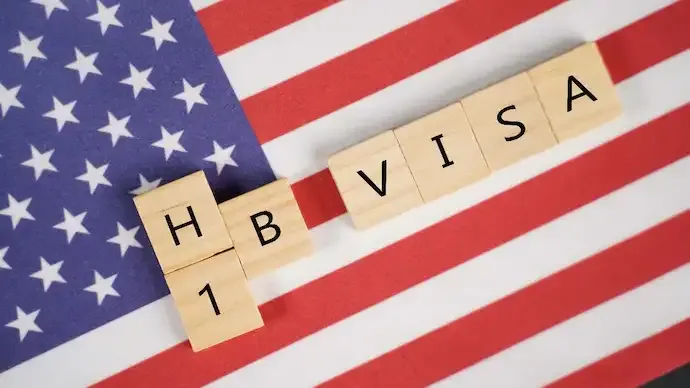
A US federal judge has cleared the way for the Trump administration to impose a steep $100,000 fee on new H-1B visa applications, delivering a setback to technology companies and other employers that rely heavily on skilled foreign workers.
US District Judge Beryl Howell ruled that President Donald Trump acted within his legal authority when he ordered the sharp increase in the cost of the widely used work visa programme. The decision strengthens the administration’s broader immigration agenda aimed at curbing foreign hiring and prioritising US workers.
The ruling allows the administration to move ahead with the fee even as legal challenges continue. The US Chamber of Commerce, which filed a lawsuit seeking to block the measure, retains the option to appeal.
Rejecting the Chamber’s arguments, Judge Howell said the proclamation imposing the fee was issued under an explicit statutory authority granted to the president by Congress. She noted that lawmakers had given the executive broad discretion to act on matters tied to economic and national security.
“The vigorous debate over the wisdom of this policy is not within the province of the courts,” Howell wrote, adding that as long as the policy falls within the limits of the law, it must be upheld.
The Chamber of Commerce warned that the new fee would make H-1B visas prohibitively expensive for many employers, especially smaller firms. Daryl Joseffer, the organisation’s executive vice president and chief counsel, said the decision was disappointing and that further legal options were being considered to preserve the programme’s original intent of helping US businesses access global talent.
The H-1B visa programme allows US employers to hire foreign professionals in specialised fields such as technology, engineering and healthcare. Currently, 65,000 visas are issued annually, with an additional 20,000 reserved for applicants holding advanced degrees. Until now, related fees typically ranged between $2,000 and $5,000.
The legal battle is far from over. Other lawsuits challenging the fee — including cases filed by Democratic-led states, labour unions and a global nurse-staffing agency — remain active. The issue is widely expected to eventually reach the US Supreme Court.
Meanwhile, the Trump administration has also announced a major overhaul of the H-1B system, scrapping the traditional lottery model. From February 26, 2026, visas will be allocated through a weighted system that favours higher-paid and more highly skilled applicants, a move officials say is designed to better align the programme with labour market needs.





Conversation
Be kind and stay on topic. Comments are moderated; abuse, spam and personal attacks are removed. Report a problem