

In an era when Telugu cinema is defined by scale, spectacle, and global ambition, a quiet film like Dhandoraa feels almost radical. With no stars towering over the narrative and no dramatic highs engineered for applause, Dhandoraa instead chooses stillness, discomfort, and observation. It is precisely this refusal to perform that makes the film deeply important for Telugu cinema today.
Set in rural Andhra Pradesh in the early 2000s, Dhandoraa opens with a moment that immediately signals its intent. A dead body is carried across village fields, conversations drift casually about election bribes, and a child asks an innocent question about why death must happen outside village borders. There is no background score to guide emotion, no dramatic camera movement to soften the blow. What unfolds is everyday cruelty presented as routine — not shocking because it is violent, but because it is normal.
A film where injustice feels ordinary
What distinguishes Dhandoraa is its understanding that social injustice does not always announce itself with anger or confrontation. Caste discrimination in the film operates through habit, silence, and acceptance. A temple becomes a physical barrier. A cremation route becomes forbidden. A rope snaps, a body falls, and no one is surprised enough.
Rather than positioning a single villain, the film exposes how entire communities participate in injustice simply by not questioning it. Thinking itself becomes the problem. People know what is wrong, but convenience, fear, and tradition override conscience. This makes the film unsettling in a way that spectacle-driven cinema rarely achieves.
A village that feels lived-in, not symbolic
One of Dhandoraa’s strengths lies in how it builds its world. The village is not populated by caricatures meant to represent “good” or “bad” sides of society. Instead, the characters feel familiar — neighbours, elders, relatives, and local leaders who share jokes, meals, and frustrations before conflict takes centre stage.
This familiarity is crucial. When betrayal happens, it hurts because it comes from people who otherwise seem ordinary, even humane. The film refuses the comfort of monsters. It forces viewers to confront a more uncomfortable truth: systemic cruelty survives because it is upheld by people who look just like us.
Cinema without hand-holding
Director Muralikanth stages the film with restraint. There are no heroic elevations, no swelling background scores, and no dramatic confrontations designed to release tension. Even humour, when it appears, is rooted in irony and fatigue rather than relief.
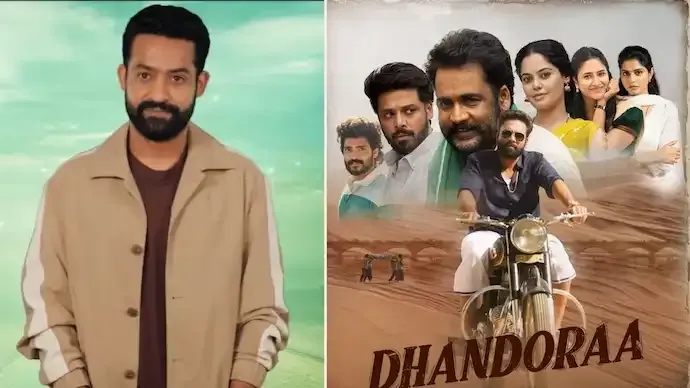
Performances are controlled and internal. Sivaji anchors the film with quiet authority, while Nandu grows into the emotional core without slipping into heroism. Ravi Krishna brings vulnerability to a character caught between loyalty and fear, and Navdeep provides weary, ironic humour as a sarpanch navigating a system designed to fail everyone.
Technically, the film remains grounded. The cinematography captures rural spaces without romanticising poverty. The music supports silence rather than overpowering it. The rough edges are visible, but they feel honest rather than careless.
Why Dhandoraa struggled theatrically — and why OTT saved it
Like many serious rural dramas, Dhandoraa struggled to find theatrical audiences. In a post-pandemic ecosystem driven by immediacy, star power, and visual spectacle, films that demand patience are often sidelined. Critics noticed Dhandoraa. Audiences largely didn’t — at least initially.
Its OTT release changed that. Viewers discovered the film late and wondered how they had missed it. Conversations grew organically, helped by public praise from Jr NTR, who acknowledged the film’s honesty and conviction. In many ways, the film’s delayed recognition mirrors its theme — dignity denied, then slowly reclaimed.
Why Dhandoraa matters now
As Telugu cinema expands globally, films like Dhandoraa serve as necessary anchors. They remind the industry that storytelling is not only about scale, numbers, or global applause, but also about looking unflinchingly at local realities.
Dhandoraa may not be perfect. Its pacing falters, and certain narrative transitions feel abrupt. But its intent is uncompromising. In a cinema culture increasingly obsessed with spectacle, Dhandoraa proves that sometimes the most political act a film can commit is simply to observe reality — and refuse to look away.


Conversation
Be kind and stay on topic. Comments are moderated; abuse, spam and personal attacks are removed. Report a problem