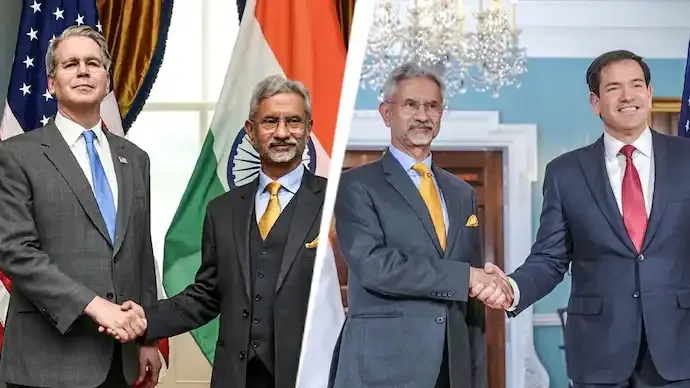
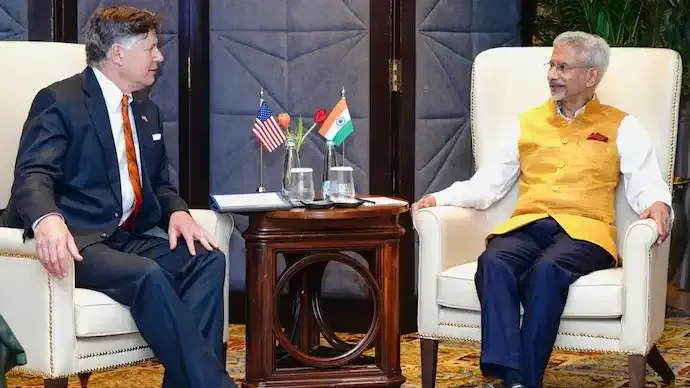
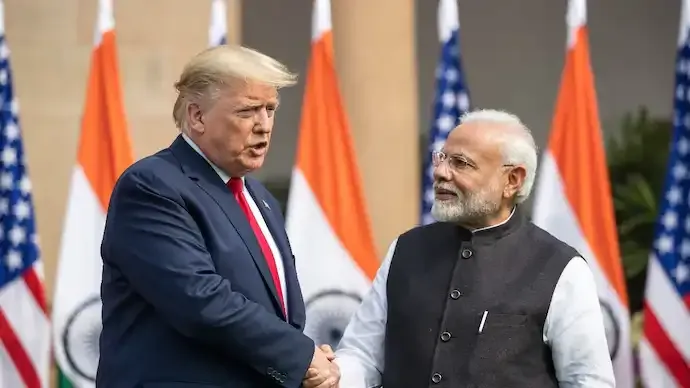
India reportedly conveyed a firm message to Washington during high-level talks in 2025, stating it would not be pressured into finalising a trade agreement under unfavourable conditions. According to a recent report, National Security Adviser Ajit Doval communicated to US Secretary of State Marco Rubio that New Delhi was prepared to wait until the end of President Donald Trump’s term if necessary rather than agree to terms that could harm Indian interests.
The reported meeting took place amid escalating tensions between the two countries following steep US tariffs on Indian exports and sharp public criticism from American officials. At the time, trade negotiations between India and the United States were already under intense scrutiny, particularly over sensitive sectors such as agriculture and dairy, where India is believed to have maintained a firm negotiating position.
Sources familiar with the discussions indicated that India emphasised its willingness to adopt a long-term strategic approach rather than rush into an agreement. The message reflected concerns in New Delhi that aggressive rhetoric and tariff pressure could derail broader diplomatic ties that had strengthened over the previous two decades.
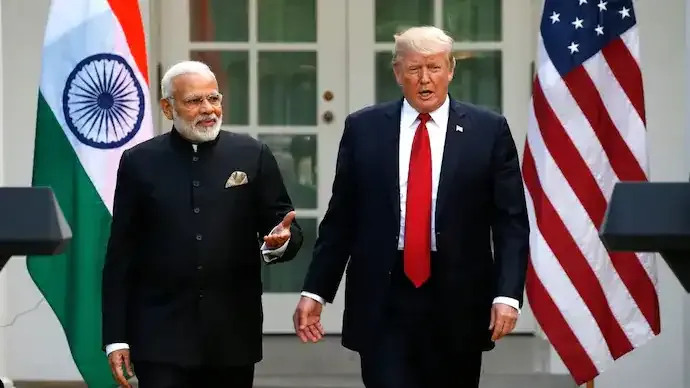
The report suggests that India’s stance may have contributed to a shift in tone from Washington in the weeks following the meeting. Political observers noted that communication between leaders became less confrontational, with Narendra Modi and Donald Trump exchanging messages that signalled an effort to stabilise bilateral relations despite ongoing disagreements.
The trade deal has remained a topic of intense debate, especially after Trump publicly announced its completion on social media before detailed terms were made public. While Indian officials acknowledged continued discussions, they refrained from confirming specifics, leading to political criticism and speculation within India about the possible concessions involved.
Opposition leaders and analysts have raised concerns that external pressure might influence decisions related to oil imports, agricultural market access, and tariff structures. However, the reported message from Doval indicates that India aimed to maintain strategic autonomy in negotiations, signalling that the government was prepared to endure prolonged talks rather than accept unfavourable conditions.
The context of the meeting also included earlier disputes over geopolitical issues, including public disagreements about regional security developments and trade policies. The imposition of high reciprocal tariffs by the United States had strained relations, prompting calls within India for a more assertive diplomatic approach.
Trade experts say the episode highlights the complex dynamics of modern economic diplomacy, where political narratives and market interests often intersect. The United States has presented the trade discussions domestically as a major achievement, while Indian leaders have taken a more cautious tone, focusing on protecting domestic industries and maintaining balanced relations.
With negotiations reportedly reaching a final stage, attention now turns to the details of the agreement and how it could reshape economic ties between the two nations. Analysts believe the outcome will influence sectors ranging from agriculture and technology to energy trade, making it one of the most consequential bilateral economic deals in recent years.
The developments underscore how India’s trade strategy is increasingly guided by long-term geopolitical calculations rather than short-term pressure, reflecting a broader shift in the country’s approach to global negotiations. As discussions continue, both sides face the challenge of balancing domestic political expectations with the realities of a rapidly evolving international economic landscape.