Business leaders and exporters in Bangladesh have voiced growing concern over a proposed trade agreement with the United States that is expected to be signed by the interim administration led by Muhammad Yunus. The deal, reportedly bound by a strict non-disclosure agreement, has triggered debate about transparency, economic impact, and whether an unelected administration should commit the country to long-term trade obligations just days before national elections.
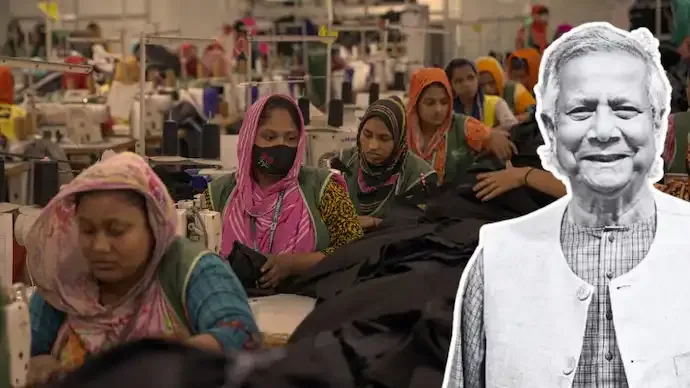
Industry stakeholders say the lack of clarity around the agreement has created uncertainty, particularly for the country’s vital ready-made garment sector, which accounts for a major share of exports to the United States. With details of tariff adjustments, market access conditions, and procurement commitments still undisclosed, exporters fear the agreement could introduce new constraints that might weaken Bangladesh’s competitive position in global markets.
The issue has gained further attention amid evolving geopolitical tensions and trade negotiations involving Bangladesh and the administration of US President Donald Trump. Analysts say tariff changes introduced in recent years have already placed pressure on Bangladeshi exporters, making any new agreement particularly sensitive for businesses reliant on international demand.
Timing of Deal Sparks Legal and Political Debate
Criticism has intensified due to the timing of the proposed signing, which is expected to take place just days before national elections. Economists and policy observers argue that such a significant economic commitment should ideally be handled by a democratically elected government rather than an interim administration that may soon leave office.
Several Bangladeshi economists and trade analysts have questioned the urgency behind the deal, suggesting that major economic decisions taken in the final days of a transitional government could bind the next administration to terms it had no role in negotiating. Critics have also raised broader concerns about transparency, claiming that stakeholders in key industries have not been adequately consulted.
The controversy unfolds against a complex political backdrop following the removal of former prime minister Sheikh Hasina’s government in 2024, an event that continues to influence domestic political discourse and international perceptions of Bangladesh’s policy direction.
Garment Industry Fears Impact on Key Exports
Bangladesh’s garment and textile industry — which employs millions of workers and contributes significantly to export earnings — stands at the centre of the debate. Business leaders warn that undisclosed trade conditions could alter sourcing requirements, tariff structures, or import commitments tied to US markets.
Exporters say uncertainty over the agreement has made it difficult to plan long-term investments or pricing strategies. Some industry representatives have suggested that negotiations should have been delayed until after elections, allowing political parties and trade bodies to review the potential economic consequences.
Trade experts note that Bangladesh’s economy remains heavily dependent on apparel exports, with a large percentage of shipments destined for American consumers. Any shift in trade rules or supply-chain requirements could therefore have widespread implications for employment, production costs, and foreign exchange earnings.
Secrecy Clause Fuels Anxiety Among Businesses
A major source of concern is the reported non-disclosure agreement governing negotiations, which has prevented public scrutiny of draft terms. Business groups argue that while confidentiality is common during trade talks, the absence of consultation with affected sectors has heightened fears that the deal could prioritise geopolitical considerations over domestic industry needs.
Economists warn that signing a comprehensive trade agreement without public debate could create policy challenges for the next government, especially if provisions require long-term commitments on tariffs, imports, or strategic infrastructure cooperation.
Wider Implications for Regional Trade Dynamics
The debate over the Bangladesh-US trade deal also comes at a time of shifting regional trade dynamics, with neighbouring countries pursuing their own agreements and tariff reductions. Analysts say Bangladesh’s competitive edge in the garment sector could be affected if new trade conditions alter cost structures or market access compared to regional rivals.
As discussions continue, policymakers face the challenge of balancing international partnerships with domestic economic stability. The outcome of the proposed agreement is likely to shape Bangladesh’s export strategy and diplomatic ties for years to come, making transparency and stakeholder engagement central to the ongoing debate.