

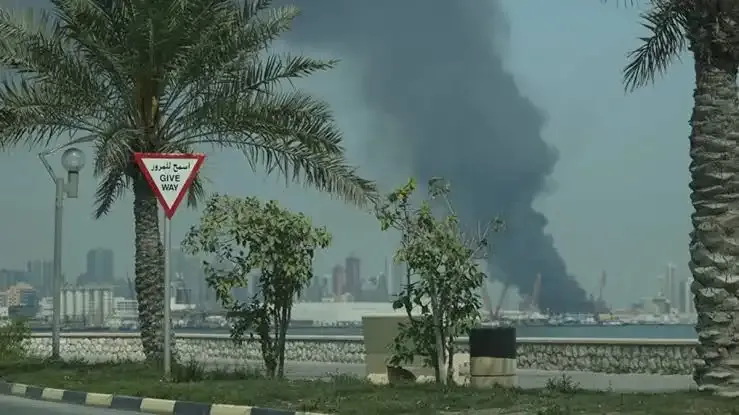

Bahrain activated emergency sirens early Friday and urged residents to seek shelter after detecting incoming fire, as the military confrontation between the United States and Iran entered its 13th consecutive night.
The escalating conflict, centred around the strategically vital Strait of Hormuz, is increasingly threatening regional security, global energy supplies and key international shipping lanes.
Bahrain Issues Shelter Advisory
Authorities in Bahrain sounded nationwide warning sirens and instructed residents to remain indoors after reports of detected fire.

The alert came only hours after the US Central Command (CENTCOM) announced another round of military strikes targeting Iran.
The Gulf kingdom has remained on heightened alert as the confrontation between Washington and Tehran continues to expand across the region.
US Says Latest Strikes Target Maritime Threats
According to the US military, the latest overnight operation was aimed at reducing Iran's ability to threaten civilian shipping and commercial vessels operating in regional waters.
US Central Command stated that the strikes were intended to weaken capabilities that could disrupt maritime traffic through the Strait of Hormuz, one of the world's most important oil transit routes.
The operation reportedly concluded shortly before 5:00 am local time.
Fresh Explosions Reported Across Iran
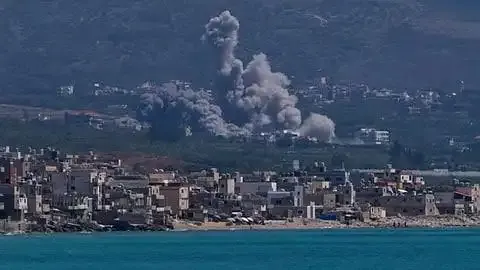
Multiple explosions were reported in several parts of Iran, including Qeshm Island, an area known for housing naval assets and drone boats.
Additional strikes were reported near:
- Andimeshk
- Omidiyeh
- Firuzabad
Iranian state media reported that a missile strike near Ahvaz killed four people and injured five others.
Houthi Attacks Expand Regional Crisis
The conflict has also spread beyond the Persian Gulf.
Yemen's Iran-backed Houthi movement claimed responsibility for targeting two Saudi oil tankers in the Red Sea, while also threatening commercial shipping passing through the Bab el-Mandeb Strait.
The waterway is one of the world's busiest maritime corridors, linking the Red Sea with the Gulf of Aden and carrying a significant share of trade between Europe and Asia.
The latest developments have heightened concerns over global supply chains and energy exports.
Oil Prices Climb as Shipping Risks Increase
Growing instability in the Gulf has already affected global energy markets.
Benchmark Brent crude oil rose by more than 6%, reaching approximately $100 per barrel, as investors reacted to fears of prolonged disruption in oil transportation.
Maritime analysts also warned that simultaneous threats to both the Strait of Hormuz and the Bab el-Mandeb Strait could place additional pressure on global shipping and oil supplies.
Saudi Arabia has reportedly continued diverting significant volumes of crude oil through its overland pipeline to the Yanbu export terminal on the Red Sea to reduce reliance on Gulf shipping routes.
Diplomatic Efforts Continue
Amid the escalating military exchanges, Iraqi Prime Minister Ali al-Zaidi visited Tehran in an effort to encourage dialogue and reduce tensions.
According to his office, the Iraqi leader assured Iranian officials that Iraqi territory would not be used for attacks against Iran.
Iraq maintains close diplomatic and security ties with both Washington and Tehran, positioning it as a potential intermediary during the crisis.
Trump Proposes Using Frozen Iranian Funds
US President Donald Trump said that sanctioned Iranian assets under American control could be used to compensate for damage caused to commercial ships during the conflict.
The proposal immediately drew criticism from Iranian Foreign Minister Abbas Araghchi, who warned that confiscating sovereign assets could undermine international financial norms and create broader global instability.
No details have been provided regarding the legal mechanism through which such funds could be accessed.
Regional Tensions Continue to Rise
With Bahrain issuing emergency alerts, continued military operations inside Iran, attacks on shipping routes and diplomatic efforts underway, the conflict is placing increasing pressure on regional security.
The situation is also being closely monitored by global markets, given the strategic importance of the Gulf and Red Sea corridors to international trade and energy supplies.
Key Highlights
- Bahrain activated emergency sirens and urged residents to seek shelter after detecting incoming fire.
- The US military said it had completed its 13th consecutive night of strikes on Iran.
- Fresh explosions were reported in several parts of Iran, including Qeshm Island and Ahvaz.
- Yemen's Houthi movement claimed attacks on two Saudi oil tankers in the Red Sea.
- Brent crude oil climbed above $100 per barrel amid fears of supply disruptions.
- Iraq has stepped up diplomatic efforts as regional tensions continue to escalate.
Frequently Asked Questions (FAQs)
Why did Bahrain sound emergency sirens?
Bahrain activated warning sirens after detecting incoming fire amid the ongoing military confrontation between the United States and Iran.
Why is the Strait of Hormuz important?
The Strait of Hormuz is one of the world's most critical oil shipping routes, through which a significant share of global crude exports passes.
What did the US say about its latest strikes?
The US military said the operation was aimed at reducing Iran's ability to threaten commercial shipping and civilian vessels operating in regional waters.
What role are the Houthis playing?
The Iran-backed Houthi movement claimed responsibility for attacks on Saudi oil tankers in the Red Sea and threatened shipping through the Bab el-Mandeb Strait.
How have oil markets reacted?
Brent crude prices rose by more than 6%, reaching around $100 per barrel, as concerns grew over potential disruptions to global energy supplies.
Is there any diplomatic effort underway?
Yes. Iraqi Prime Minister Ali al-Zaidi visited Tehran and called for dialogue while assuring Iran that Iraqi territory would not be used for attacks.








Conversation
Be kind and stay on topic. Comments are moderated; abuse, spam and personal attacks are removed. Report a problem