

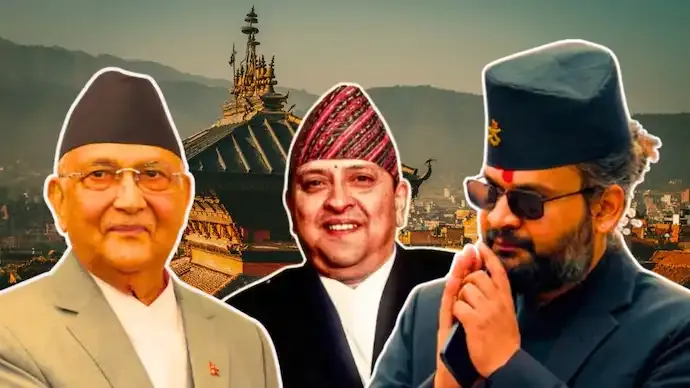

Nepal is preparing for crucial general elections on March 5, marking its first national vote since the political upheaval triggered by youth-led protests in September 2025. The election has drawn attention due to the re-emergence of former monarch Gyanendra Shah, who has called for a national reset, and the challenge faced by veteran leader KP Sharma Oli.
The polls will test the strength of traditional political forces against a rising youth-driven reform movement.
Former King Calls for Consensus Before Elections
In a video message released ahead of Democracy Day, Gyanendra questioned whether Nepal should proceed with elections before resolving the country’s political and economic challenges.

He urged national consensus and broader unity, warning that the nation is facing a period of distress. While he did not reject elections outright, his remarks have sparked debate about their timing and constitutional implications.
Nepal abolished its monarchy in 2008 and became a federal democratic republic, but pro-monarchy sentiment resurfaces periodically during times of political instability.
Background: Gen Z Protests Reshaped Nepal’s Politics
The upcoming elections follow mass protests in September 2025, initially triggered by a social media ban but later expanding into wider anger over corruption, inequality and political deadlock.
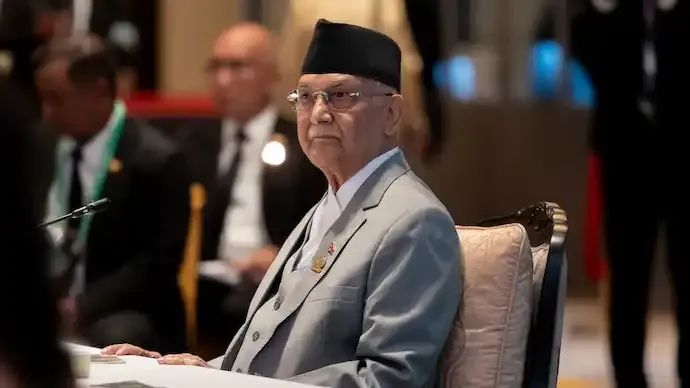
The unrest led to violent clashes, dozens of deaths and the resignation of Prime minister KP Sharma Oli. An interim administration was formed to stabilise the country and prepare for fresh elections.
Nearly 19 million voters are registered for the polls, including hundreds of thousands of first-time voters.
Youth Wave Challenges Political Establishment
A major highlight of the election is the rise of Kathmandu mayor Balen Shah, a former rapper turned reformist leader popular among younger voters.
Positioning himself as an anti-establishment candidate advocating accountability and clean governance, Shah is challenging Oli in Jhapa, the veteran leader’s political stronghold.
The generational contrast reflects growing frustration among youth over governance and economic stagnation.
Traditional Parties Face Fragmented Landscape
The election features competition among established parties and emerging reformist forces:
-
The Communist Party of Nepal (UML) led by KP Sharma Oli
-
The Nepali Congress led by Sher Bahadur Deuba
-
Reformist and youth-driven political groups
-
Pro-monarchy and conservative factions
Oli, once a dominant national figure, is now largely focused on defending his constituency amid declining political influence.
Monarchy Debate Re-Emerges
Nepal’s monarchy, abolished after the 2006 people’s movement and formalised in 2008, continues to hold symbolic appeal for some groups. Pro-monarchy voices frame the crown as a stabilising force during political instability.
Gyanendra’s recent public appearance and message have reignited debate about governance, stability and constitutional processes.
Election Seen as Turning Point
The March 5 vote comes at a critical moment for Nepal’s democracy. The outcome will indicate whether youth-driven reform sentiment translates into electoral change, whether established leaders retain influence, and whether calls for systemic reset gain traction.
With a young electorate, fragmented political field and renewed ideological debate, the election is being closely watched as a defining moment in Nepal’s political transition.







Conversation
Be kind and stay on topic. Comments are moderated; abuse, spam and personal attacks are removed. Report a problem