



The sudden death of nearly 1,500 crows in Chennai has once again pushed bird flu into the spotlight, reviving concerns about a virus that scientists say is evolving rapidly and could pose long-term risks to global health. Laboratory tests confirmed the presence of the Highly Pathogenic Avian Influenza (HPAI) virus, commonly known as H5N1, prompting authorities to issue advisories and intensify monitoring efforts.
Although avian influenza primarily affects birds, experts warn that its growing ability to cross species boundaries makes it a potential threat to humans as well. The latest outbreak has highlighted how recurring incidents across India and the world are transforming bird flu from a sporadic concern into a persistent public health issue.
Why the Current Outbreak Matters
H5N1 has long been known for causing severe disease and high mortality among birds. However, the scale and frequency of outbreaks in recent years have raised alarms within the scientific community. India has reported multiple cases since 2024, with infections detected in poultry across states such as Jharkhand, Kerala, Telangana, Maharashtra and Tamil Nadu.

Globally, wildlife populations have also been heavily affected, indicating that the virus is no longer confined to isolated outbreaks. Health authorities believe that the continuous circulation of the virus increases the chances of genetic mutations, which could make it more adaptable to new hosts.
The Chennai incident serves as a reminder that urban environments are not immune. Dead birds discovered in public spaces highlight the importance of surveillance, rapid response, and public awareness to prevent further spread.
Human Risk: What the Data Shows
According to data from the World Health Organisation, between 2003 and 2025, there were 993 confirmed human cases of avian influenza across 25 countries, resulting in 477 deaths. This translates to a fatality rate of roughly 48 percent, significantly higher than seasonal influenza.
Most human infections have been linked to direct contact with infected animals, particularly poultry. Recent cases involving dairy farm workers abroad have demonstrated how the virus can move beyond traditional poultry settings.
While there has been no confirmed sustained human-to-human transmission, experts caution that the virus’s evolving nature requires constant vigilance. The emergence of infections without clear exposure to birds has added to the uncertainty, suggesting that new transmission pathways may be developing.
How Bird Flu Differs From Seasonal Flu
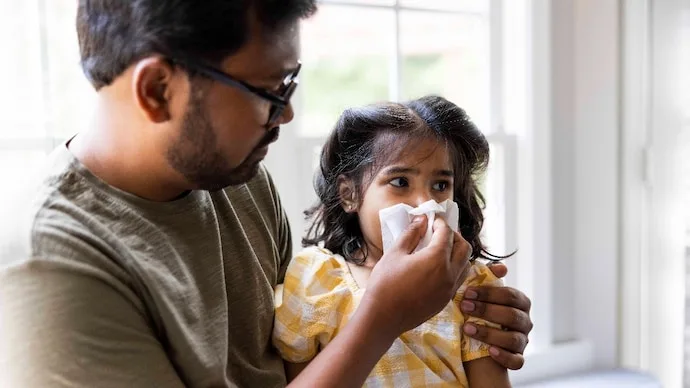
Medical specialists note that symptoms of H5N1 infection can range from mild to severe. Some individuals may experience typical flu-like signs such as fever, cough, sore throat and fatigue, while others develop serious respiratory complications like pneumonia within days.
Unlike seasonal flu, bird flu infections can progress rapidly and carry a higher risk of fatal outcomes. The incubation period typically ranges from eight to ten days after exposure, though asymptomatic cases have also been documented, making early detection more difficult.
Despite its severity, public health agencies emphasise that the risk to the general population remains low as long as sustained human-to-human transmission does not occur.
Why Public Awareness Is Crucial
Authorities have urged people to avoid handling dead birds and to report unusual wildlife deaths immediately. Surveillance, biosecurity measures and a coordinated “One Health” approach involving animal, environmental and human health sectors are being strengthened to contain the outbreak.
The resurgence of bird flu in Chennai highlights a broader global reality: avian influenza is no longer an isolated agricultural problem but a virus with far-reaching implications. While experts stress that there is no immediate cause for panic, the evolving nature of H5N1 means that awareness, preparedness and responsible behaviour remain essential to reducing risks.







Conversation
Be kind and stay on topic. Comments are moderated; abuse, spam and personal attacks are removed. Report a problem