The BJP–Shiv Sena alliance is poised to regain control of Mumbai’s powerful civic body, with multiple exit polls predicting a comfortable majority for the ruling combine in the Brihanmumbai Municipal Corporation (BMC) elections. According to projections, the BJP–Sena bloc is expected to cross the halfway mark with ease, while the much-hyped reunion of the Thackeray cousins appears unlikely to significantly influence the final outcome.
The Axis My India exit poll has projected between 131 and 151 seats for the BJP–Shiv Sena alliance in the 227-member BMC, making it the single largest force in Asia’s richest municipal body. Another pollster, JVC, has forecast 138 seats for the alliance, reinforcing expectations of a decisive mandate. Other agencies including Janmat Polls, JDS and DV Research have also predicted a clear majority for the ruling combine, with estimates ranging between 107 and 154 wards.
If these projections hold, the result would mark a major political victory for the BJP and the Shiv Sena faction led by Eknath Shinde, consolidating their influence in Mumbai — the country’s financial capital and a critical political prize in Maharashtra.
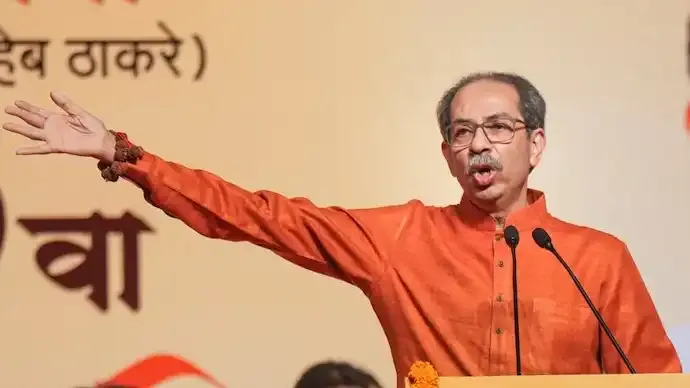
In contrast, the Shiv Sena (UBT)–MNS alliance led by Uddhav Thackeray and Raj Thackeray appears to be falling short of expectations. Axis My India has projected 58–68 seats for the alliance, while JVC has put its tally at around 59 wards. The reunion of the Thackeray cousins after nearly two decades, once seen as a potential game-changer, has not translated into a decisive electoral surge, according to exit poll trends.
The Congress, which entered into a last-minute alliance with Prakash Ambedkar’s Vanchit Bahujan Aghadi (VBA), is expected to remain on the fringes. Poll projections suggest the Congress-VBA combine may secure only 12–16 seats, indicating limited traction in the city’s fiercely contested civic battle.
Historically, the undivided Shiv Sena had dominated the BMC since 1985, barring a brief period between 1992 and 1996. However, the exit poll data suggests that this traditional hold has weakened significantly, particularly after the Shiv Sena split and the rise of the Shinde-led faction, which appears to have drawn substantial grassroots support.
The elections, held after a gap of seven years, were marked by shifting alliances, fragmented opposition strategies and competing narratives around Marathi identity. While the Thackeray-led campaign leaned heavily on the “Marathi manoos” plank, the BJP–Sena combine focused on governance, development and organisational strength. Exit polls indicate that voters may have favoured the latter approach.
In the 2017 BMC elections, the Shiv Sena had emerged as the single largest party with 84 seats, closely followed by the BJP with 82. Congress secured 31 seats, while the NCP and MNS won nine and seven seats respectively. The current exit poll projections suggest a significant reshaping of Mumbai’s civic political landscape.
While exit polls are not definitive and final results will be known only after counting, the broad consensus across agencies points towards a decisive edge for the BJP–Sena alliance. The official results are scheduled to be declared on Friday, which will confirm whether Mumbai’s civic crown has indeed changed hands.