Strategic affairs expert Brahma Chellaney has cautioned that improving relations with China should not come at the expense of India’s national interests. His remarks came after the Indian government decided to ease certain foreign direct investment (FDI) rules for companies linked to countries that share land borders with India, a move that has triggered debate over New Delhi’s China policy.
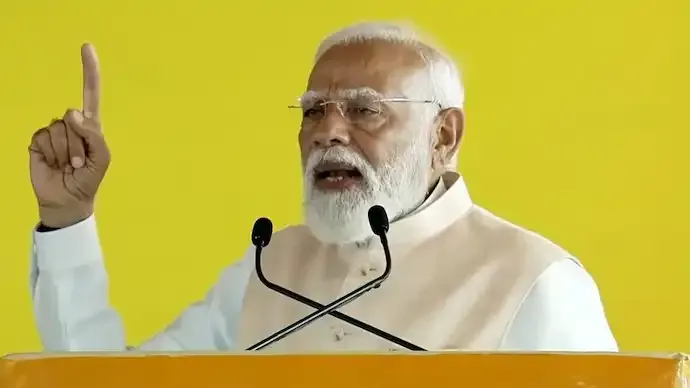
The decision was approved by the Union Cabinet led by Narendra Modi. Under the revised rule, overseas investors with up to 10 percent beneficial ownership from neighbouring countries can now invest in India through the automatic route. The policy change effectively relaxes restrictions that were imposed in 2020 when tensions between India and China escalated along the Line of Actual Control.
Those earlier restrictions were introduced as a precautionary measure to prevent opportunistic takeovers of Indian companies during a period of geopolitical uncertainty. The rules required government approval for investments coming from countries sharing a land border with India, including China.
Brahma Chellaney has warned that the latest decision could signal what he described as a “second U-turn” in India’s China policy. According to him, while diplomatic engagement and stable relations are important, economic decisions should carefully consider the broader geopolitical context, especially when border tensions remain unresolved.
India and China have experienced strained relations in recent years following military standoffs along the Himalayan border. Despite multiple rounds of diplomatic and military talks, several friction points along the border remain sensitive. Because of this, many experts believe that economic cooperation with China must be handled cautiously.
Chellaney emphasised that India must ensure that economic policy does not create excessive dependence on Chinese investments or supply chains, particularly in critical sectors such as technology, manufacturing, and infrastructure. He suggested that strategic caution is necessary to protect India’s long-term economic security.
The debate surrounding the new investment policy highlights the challenge of balancing economic growth with national security considerations. On one hand, India seeks to attract foreign investment to boost industrial expansion, manufacturing capacity and job creation. On the other hand, policymakers must ensure that investment flows do not compromise strategic interests.
The revised rules could potentially allow greater flexibility for international investors whose ownership structures include minority stakes from neighbouring countries. Supporters of the change argue that it simplifies investment processes and may encourage global capital inflows into Indian businesses.
However, critics remain concerned that the move could indirectly increase China’s economic influence in certain sectors if not carefully monitored. Experts say that transparent oversight and strong regulatory mechanisms will be essential to ensure that investments align with India’s strategic priorities.
As geopolitical dynamics continue to evolve in Asia, India’s approach toward China will likely remain a subject of intense policy discussion. The balance between economic engagement and strategic caution is expected to shape future decisions regarding trade, investment and diplomatic relations between the two major Asian powers.
Prev Article
PM Modi Launches ₹5,650 Crore Development Projects in Tamil Nadu, Boosts Rail, Gas and Road Connectivity
Next Article
100 Indian Students Begin Risky Evacuation from War-Hit Iran via Armenia