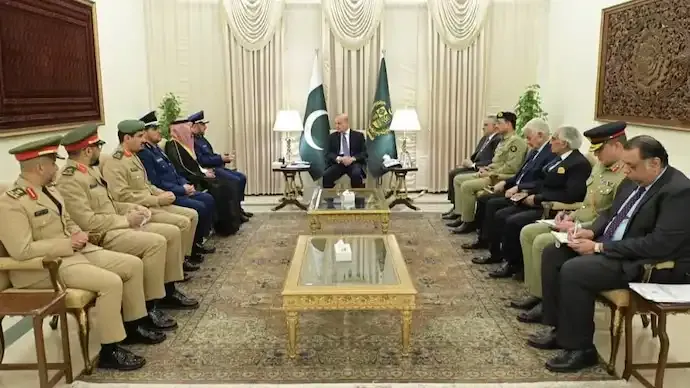
The escalating conflict between Iran and the United States–Israel alliance is placing Pakistan in a difficult diplomatic position, raising questions about whether Islamabad can maintain neutrality as regional tensions intensify.
For months, Pakistan had attempted to balance its relations with multiple powers in the region. The country strengthened ties with Saudi Arabia, maintained diplomatic engagement with Iran, and also worked to improve relations with the United States.
However, the widening conflict in West Asia has begun to challenge that carefully managed balancing strategy.
Strategic Partnership With Saudi Arabia
Pakistan recently deepened its cooperation with Saudi Arabia by signing a Strategic Mutual Defence Agreement, a move that reinforced the long-standing security and economic relationship between the two countries.
Saudi Arabia has historically been one of Pakistan’s closest allies, providing financial support, energy supplies, and employment opportunities for millions of Pakistani workers.
The defence pact signalled stronger security coordination between the two countries at a time when regional tensions were already rising.
Balancing Relations With Iran
At the same time, Pakistan shares a long land border with Iran, making stable relations between the two countries important for security and trade.
Islamabad has traditionally tried to avoid taking sides in disputes between Tehran and its rivals, preferring diplomatic engagement with all regional actors.
Maintaining this balance has often required careful diplomacy, as Pakistan seeks to preserve both security cooperation with Saudi Arabia and neighbourly relations with Iran.
War Changes Regional Dynamics
The situation became more complicated after the death of Iran’s Supreme Leader Ayatollah Ali Khamenei in a joint military strike involving the United States and Israel.
The incident triggered a wider regional confrontation, with missile strikes and military operations increasing across parts of the Middle East.
As tensions spread, countries across the region began reassessing their diplomatic positions.
Pressure on Pakistan’s Neutrality
Analysts say Pakistan’s attempt to maintain neutrality is becoming increasingly difficult due to its security commitments with Saudi Arabia and geopolitical relations with the United States.
If the conflict intensifies, Islamabad may face pressure from allies to support specific positions or policies.
At the same time, openly aligning with one side could risk damaging relations with the other.
This creates a complex diplomatic challenge for Pakistan’s leadership as it navigates the rapidly evolving situation.
Economic and Strategic Considerations
Pakistan’s economy is also closely linked to developments in the Middle East. Many Pakistani citizens work in Gulf countries, sending remittances that are vital to the national economy.
Any regional instability could therefore have economic consequences for Pakistan.
Energy supplies and trade routes are also closely connected to developments in West Asia, making the country particularly sensitive to regional conflict.
Uncertain Path Ahead
Experts say Pakistan’s leadership will likely continue attempting to maintain a careful diplomatic balance, avoiding direct involvement while supporting calls for stability and dialogue.
However, the longer the conflict continues, the harder it may become for countries in the region to remain completely neutral.
As the war evolves, Pakistan’s response will be closely watched by regional partners and global powers alike.
Prev Article
Putin Proposes Quick End to Iran War During Phone Call With Trump
Next Article
White House Says Russian Oil Waiver for India Is Temporary, Won’t Benefit Moscow