

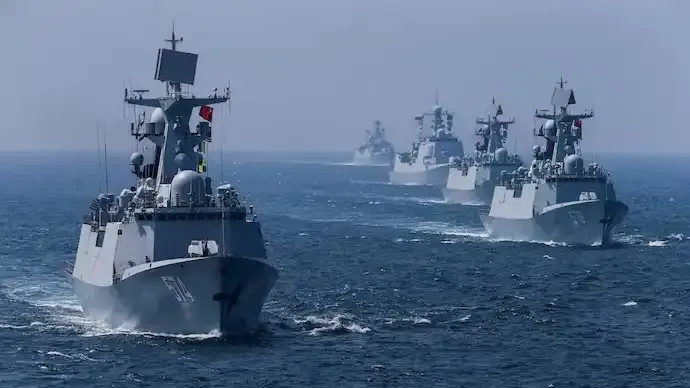

Global attention is shifting toward the Strait of Hormuz, a critical route for global energy supplies, as tensions escalate between United States, Iran, and China.
The recent naval blockade strategy targeting Iran’s ports has triggered fresh concerns, especially for China, which depends heavily on energy imports passing through this narrow but vital corridor.
Why Hormuz Matters for China
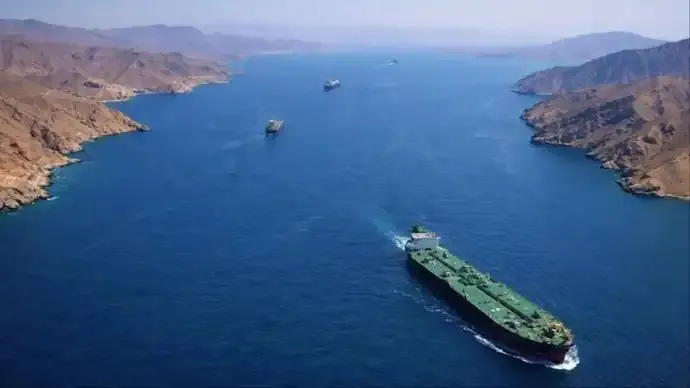
Nearly 40% of China’s oil imports are transported through the Strait of Hormuz, making it one of the most strategically important routes for Beijing’s energy security.

Any disruption in this region could:
- Impact China’s industrial output
- Increase energy costs
- Disrupt global supply chains
The blockade is therefore not just a regional issue but a direct challenge to China’s economic interests.
China’s Strategic Silence May Be Tested
So far, China has maintained a relatively low military profile in the ongoing conflict. However, recent developments suggest that this stance may not continue for long.
Chinese vessels have reportedly increased their presence in the Middle East in recent months, indicating a gradual shift in strategy. The blockade has also prompted one of China’s strongest warnings yet, cautioning against interference with its interests.
Potential Naval Deployment: What Could Happen
The key question now is whether China will deploy its navy more actively in the region. Possible scenarios include:
- Escorting oil shipments through the Strait of Hormuz
- Increasing naval patrols to secure trade routes
- Expanding military presence near critical shipping lanes
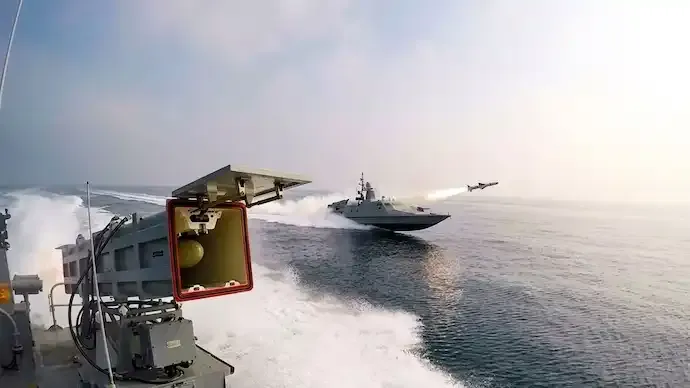
Such moves could significantly alter the balance of power in the region.
US Strategy and Broader Implications
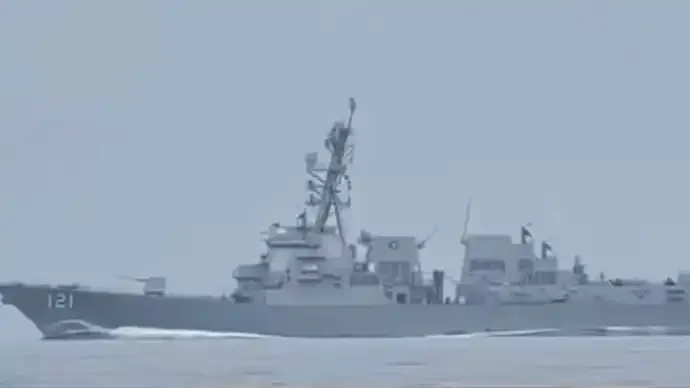
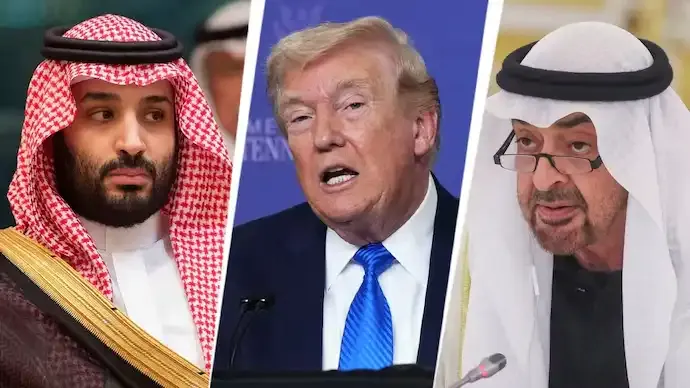
The blockade strategy, associated with Donald Trump, is aimed at exerting pressure on Iran. However, it also indirectly targets China’s energy lifeline.
This raises the possibility of a broader geopolitical confrontation, where economic interests and military strategies intersect.
Risk of Escalation in West Asia
The involvement of China could transform a regional conflict into a wider global standoff. With multiple major powers having stakes in the region, the risks include:
- Increased naval confrontations
- Disruption of global energy markets
- Heightened geopolitical instability
What Lies Ahead
While China has not yet taken direct military action, the evolving situation suggests that its response may become more assertive if its energy security is threatened.
The Strait of Hormuz remains at the center of this unfolding crisis, and any escalation could have far-reaching consequences for global trade and security.




Conversation
Be kind and stay on topic. Comments are moderated; abuse, spam and personal attacks are removed. Report a problem