The Delhi government’s newly enforced ‘No PUC, No Fuel’ rule ran into immediate implementation hurdles on its first day, with petrol pumps openly flouting the directive despite visible signage warning motorists.
The rule, which came into effect on December 18, 2025, aims to curb vehicular pollution by denying fuel to vehicles without a valid Pollution Under Control (PUC) certificate. However, a ground report by India Today revealed that enforcement on the ground was largely absent.
At a petrol pump near Delhi Gate, staff were seen dispensing fuel without verifying PUC certificates, even as posters declaring “No PUC, No Fuel” were prominently displayed. When questioned, fuel station workers admitted that checks were not being conducted.
One pump employee said they were continuing to sell fuel regardless of compliance, stating that they lacked the authority and manpower to enforce the rule. The worker added that staff often face aggressive behaviour from customers and cannot manage confrontations without support from enforcement agencies.
“We will put oil, we will take money,” the employee said, highlighting the gap between policy announcements and ground-level execution.
The report also pointed out the absence of government officials or traffic police at fuel stations to assist with enforcement. Without on-site monitoring or legal backing, petrol pump staff said they were reluctant to deny fuel to non-compliant vehicles.
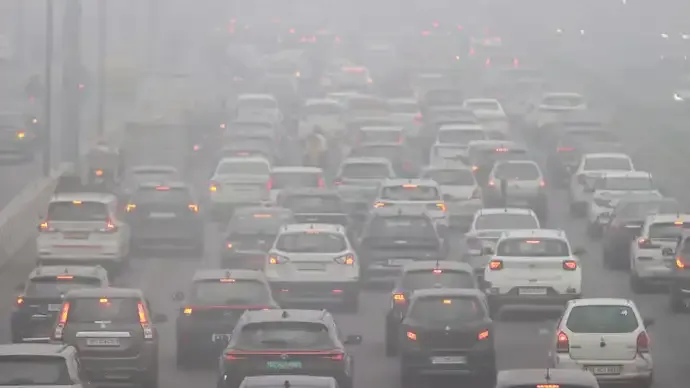
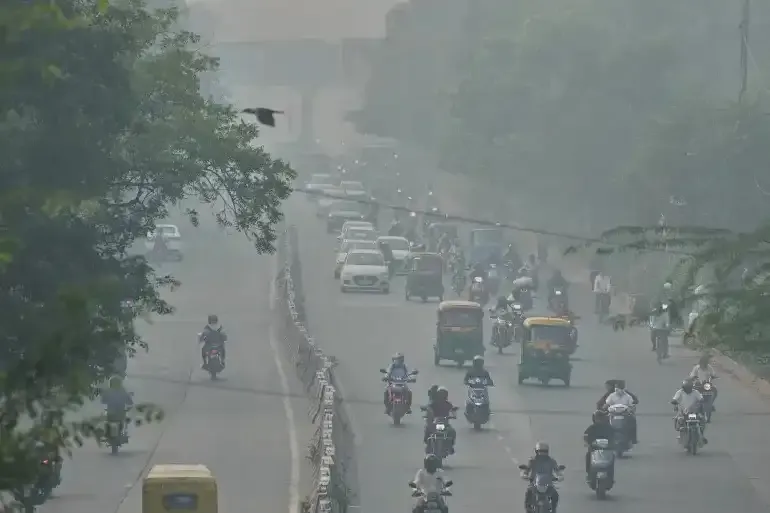
The incident has raised questions about the effectiveness of Delhi’s anti-pollution measures at a time when air quality levels remain in the severe category. Environmental experts have repeatedly stressed that enforcement consistency is key to reducing vehicular emissions in the national capital.
The Delhi government has not yet responded to the specific findings of the report. Officials, however, have previously stated that strict enforcement and coordination with fuel station operators would be central to the success of the initiative.
The day-one violations underline the challenges faced by authorities in translating pollution-control policies into effective action on the ground.