

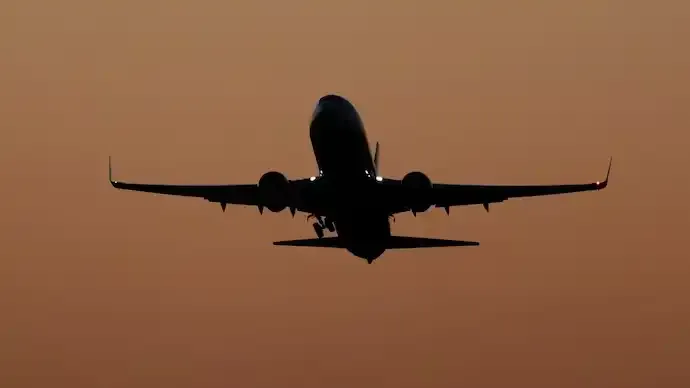

Europe is heading towards a potential aviation crisis as jet fuel reserves drop to critical levels. According to warnings from the International Energy Agency, the region currently has only about six weeks of aviation turbine fuel (ATF) left.
The situation comes at a crucial time, with Europe preparing for its peak summer travel season, raising concerns about widespread flight disruptions.
Impact of Iran Conflict and Strait of Hormuz Blockade
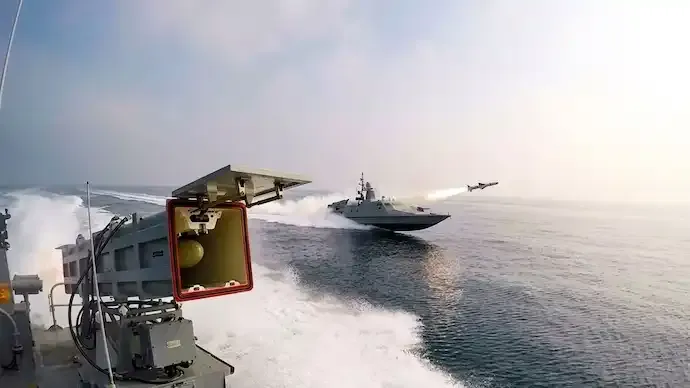
The shortage is closely linked to ongoing geopolitical tensions in the Middle East, particularly the conflict involving Iran and disruptions in the Strait of Hormuz.

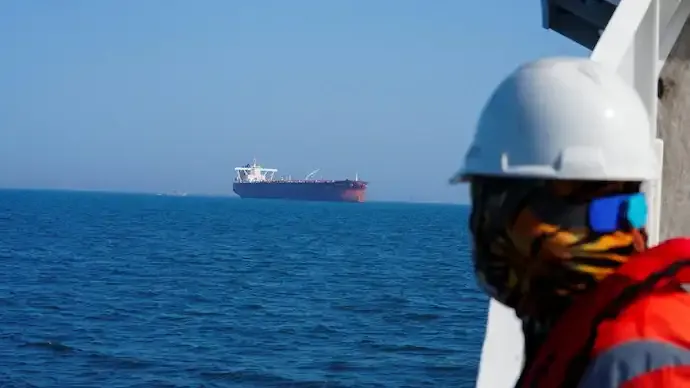
This strategic waterway is one of the most important routes for global oil transport. Any blockage or restriction directly affects fuel supply chains worldwide, including Europe’s aviation sector.
Airlines Warn of Disruptions During Peak Travel Season
European airlines have already raised alarms about potential fuel shortages in the coming weeks.
With summer being the busiest travel period, even a slight disruption in fuel supply could lead to:
- Flight cancellations
- Reduced flight frequencies
- Increased ticket prices
- Operational challenges for airlines
The timing of the crisis adds to its severity, as demand for travel is expected to surge.
Global Energy Supply Under Pressure
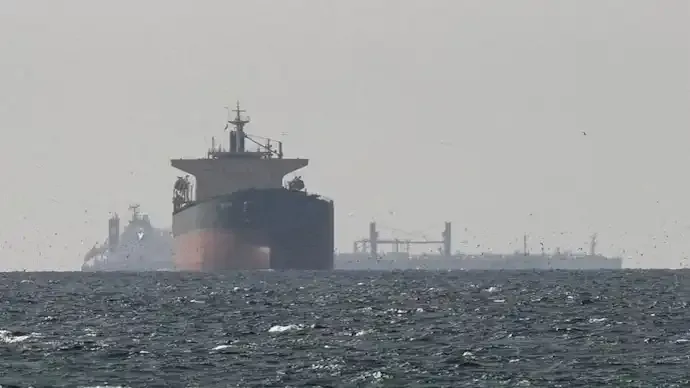
The ongoing conflict has disrupted tanker movement and energy supply chains, creating uncertainty in global markets.
Experts warn that prolonged instability could further strain fuel availability, not just in Europe but across multiple regions dependent on imported energy.
Economic and Travel Impact
A jet fuel shortage could have wider economic implications, affecting tourism, business travel, and global trade.
Countries dependent on tourism revenue may face setbacks if travel disruptions become widespread during the summer season.
What Lies Ahead
The situation largely depends on how quickly geopolitical tensions ease and whether safe passage for oil tankers is restored.
If disruptions continue, Europe may need to explore alternative supply routes or implement emergency measures to manage fuel demand.




Conversation
Be kind and stay on topic. Comments are moderated; abuse, spam and personal attacks are removed. Report a problem