



Pakistan’s decision to boycott its high-profile T20 World Cup 2026 league-stage match against India has triggered widespread debate across the cricketing world, with former players questioning the logic and long-term implications of such a move. What began as a political statement has now evolved into a sporting dilemma, raising uncomfortable questions about consistency, fairness, and the integrity of global tournaments.
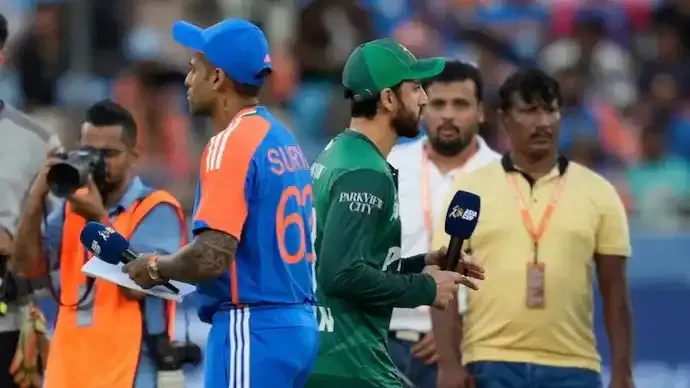
The flashpoint centres on February 15, when India and Pakistan were scheduled to face each other in Colombo during the group stage of the T20 World Cup. While the announcement from Pakistan’s government took fans by surprise, it was reactions from former international cricketers that amplified the controversy. Many have questioned whether selectively boycotting one match while continuing participation in the rest of the tournament is practically or ethically sustainable.
Former England captain Kevin Pietersen was among the first to publicly challenge the stance. He pointed out the uncertainty surrounding potential future encounters between the two sides, especially in the knockout stages. Pietersen questioned whether Pakistan would extend the boycott if an India–Pakistan clash were to materialise in a semifinal or even the final, a scenario that would place the tournament’s credibility under severe strain.

Former India off-spinner Ravichandran Ashwin echoed similar concerns, highlighting the logistical and competitive chaos such a decision could create. He suggested that ruling out an India–Pakistan encounter even in knockout rounds could lead to absurd situations, including walkovers at the highest stage of the competition. His remarks reflected a broader concern within the cricketing community that selective participation undermines the spirit of fair competition.
Pakistan’s boycott threat traces back to statements made by the Pakistan Cricket Board chairman, who also holds the country’s interior ministry portfolio. The comments were framed as a gesture of solidarity with Bangladesh, which was replaced by Scotland in the expanded 20-team tournament. While the political message was clearly articulated, the cricketing consequences have proven far more complex and contentious.
The International Cricket Council has already expressed serious reservations about the move. The global governing body has warned that refusing to play a marquee fixture could damage the tournament’s integrity and disappoint millions of fans worldwide. While the ICC has indicated that it is still awaiting formal communication from the Pakistan Cricket Board, it has made clear that such actions could invite long-term repercussions for the sport and for Pakistan’s standing within international cricket.
On the Indian side, officials have maintained that established protocol will be followed. India is expected to travel to Colombo as scheduled, attend training sessions and fulfil all media obligations, leaving the final decision to match officials and tournament organisers. This approach underscores India’s position that participation in ICC events should remain insulated from political disputes.
The India–Pakistan rivalry remains one of the most valuable assets in world cricket, consistently drawing massive global audiences. This commercial and emotional significance is why the ICC has placed the two teams in the same group at major tournaments since 2012, despite the absence of bilateral series. If Pakistan persists with its boycott, the 2026 T20 World Cup could become the first men’s ICC event in over a decade without an India–Pakistan match.
Such an outcome would not only disappoint fans but could also force the ICC to consider stricter measures to protect the tournament’s credibility. As debate intensifies, the central question remains unresolved: if Pakistan is prepared to walk away from a group-stage clash, would it also abandon a potential World Cup final?




Conversation
Be kind and stay on topic. Comments are moderated; abuse, spam and personal attacks are removed. Report a problem