
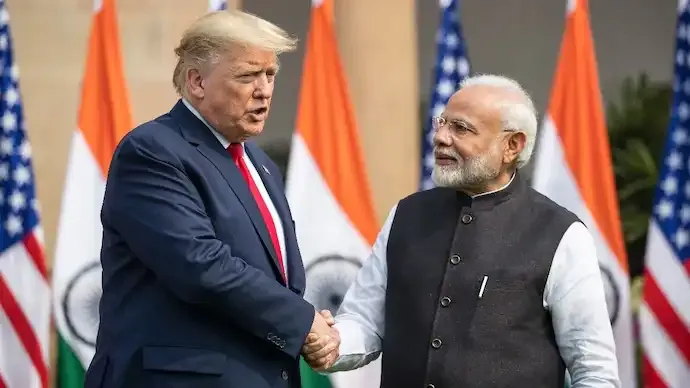
India and the United States have agreed on a framework for an interim trade pact, marking a significant step toward a larger bilateral trade agreement in the future. The arrangement is expected to strengthen economic ties, expand market access for Indian exporters, and support supply-chain cooperation at a time when global trade dynamics are rapidly evolving.
One of the most notable developments under the framework is the reduction of US reciprocal tariffs on Indian exports from earlier high levels to around 18 percent. The change is likely to enhance the competitiveness of Indian goods in the American market, particularly across labour-intensive sectors such as textiles, apparel, leather, footwear, plastics, and handicrafts. For exporters that previously faced steep duties, the lower tariff structure could create fresh opportunities to expand sales in one of the world’s largest consumer markets.
Beyond tariff reductions, the agreement signals the possibility of duty-free access for several high-value Indian industries once the interim arrangement progresses further. Sectors such as generic pharmaceuticals, gems and diamonds, and aircraft components are expected to benefit significantly. These industries already play a crucial role in India’s export ecosystem and support large networks of small and medium enterprises across multiple states.
The pact also outlines reciprocal measures from India, including reduced tariffs on certain US industrial and agricultural goods. While this may appear like a major concession, policymakers view it as aligned with India’s own manufacturing ambitions. Easier access to advanced machinery, aviation equipment, medical technology, and energy-related inputs could lower production costs and strengthen domestic industrial capabilities.
Another important dimension of the agreement is enhanced collaboration in technology and supply chains. Both countries are expected to increase cooperation in semiconductor-related areas, artificial intelligence hardware, and export-control coordination. This move reflects a broader strategy to position India as a reliable partner in diversified global supply chains amid shifting geopolitical priorities.
The framework also focuses on reducing regulatory barriers that have historically slowed cross-border trade. Measures aimed at harmonising testing standards, certification procedures, and conformity assessments could simplify business operations for companies on both sides, making trade flows faster and more predictable.
Despite opening new avenues for trade, India has ensured that sensitive agricultural sectors remain protected. Key staples such as wheat, rice, maize, dairy, poultry, and several vegetables have been kept outside the tariff-cut list, helping safeguard rural livelihoods and prevent sudden disruptions to domestic markets.
The interim agreement is widely seen as a stepping stone toward a comprehensive bilateral trade deal between the two countries. If implemented effectively, it could deepen economic cooperation, create employment opportunities, and enhance India’s position in global trade networks while balancing domestic interests with international market expansion.




Conversation
Be kind and stay on topic. Comments are moderated; abuse, spam and personal attacks are removed. Report a problem