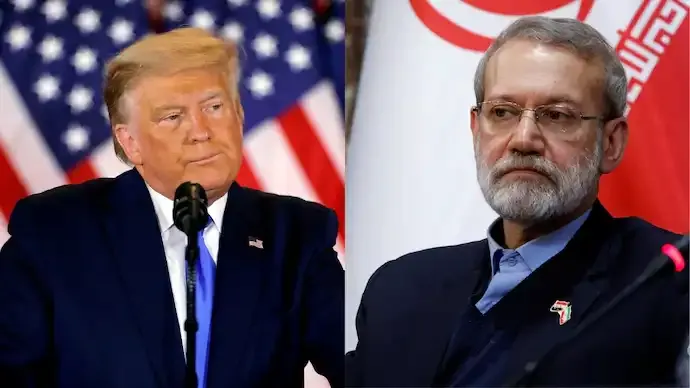
A high-stakes diplomatic intervention led by Saudi Arabia, Qatar, and Oman, with quiet backing from Israel, played a decisive role in persuading Donald Trump to delay a potential US military strike on Iran, according to officials familiar with the discussions.
The last-minute diplomatic push unfolded amid soaring fears of imminent conflict, as Washington warned that military action remained on the table in response to Iran’s violent crackdown on nationwide protests and reports of planned executions.
Gulf Diplomacy at a Critical Moment
Senior officials in Riyadh said the three Gulf states mounted an intense, round-the-clock diplomatic effort to convince Trump to give Tehran a narrow window to demonstrate restraint.
The outreach came as the region braced for escalation. US personnel were temporarily relocated from Al-Udeid Air Base in Qatar, while American diplomatic missions in Saudi Arabia and Kuwait issued security advisories urging staff to exercise heightened caution.
At the time, Trump had issued repeated warnings that executions of detained protesters would trigger severe consequences. Posting on social media, he declared that “HELP IS ON ITS WAY,” reinforcing speculation that military action was imminent.
Trump Pulls Back After Assurances
After several days of escalating rhetoric, Trump unexpectedly shifted course, saying he had received assurances from “very important sources on the other side” that executions would not go ahead.
“We saved a lot of lives yesterday,” Trump said in a televised interview, while stopping short of confirming whether the option of a strike had been permanently ruled out. “I’m not going to tell you,” he added when pressed.
The White House later indicated that diplomacy had temporarily succeeded, but maintained that all options remained open should the situation deteriorate again.
Netanyahu’s Quiet Intervention
Behind the scenes, Benjamin Netanyahu also urged caution. According to officials briefed on the matter, Netanyahu spoke directly with Trump and asked him to delay any immediate strike on Iran.
Netanyahu also held multiple discussions with Marco Rubio, reinforcing Israeli concerns that a limited US attack could fail to weaken Iran’s leadership while provoking dangerous retaliation across the region.
Israeli officials privately conveyed that Jerusalem was not pushing Washington toward military action and would instead align with the US president’s judgment.
Message to Tehran
Gulf leaders simultaneously delivered a clear warning to Tehran. Iranian authorities were told that any attack on US military facilities in the Gulf would severely damage Iran’s already strained relations with regional neighbours.
Officials involved in the talks described the diplomatic push as an effort to prevent an uncontrollable chain reaction. “It was a sleepless night to defuse more bombs in the region,” one Gulf official said, adding that communication channels remain active to preserve the fragile de-escalation.
Iran Pushes Back, UN Urges Restraint
Iranian leaders have accused foreign powers of backing what they describe as unrest inside the country. Abbas Araghchi told Gulf counterparts that Iran would defend itself against any external threat.
Meanwhile, the United Nations urged all sides to step back from confrontation. Secretary-General António Guterres warned that military strikes on Iran would add volatility to an already combustible situation, calling instead for sustained diplomacy.
As protests continue and tensions remain high, the episode highlights how coordinated regional diplomacy — combined with Israeli caution — succeeded, at least for now, in delaying a wider conflict that many feared was hours away.