

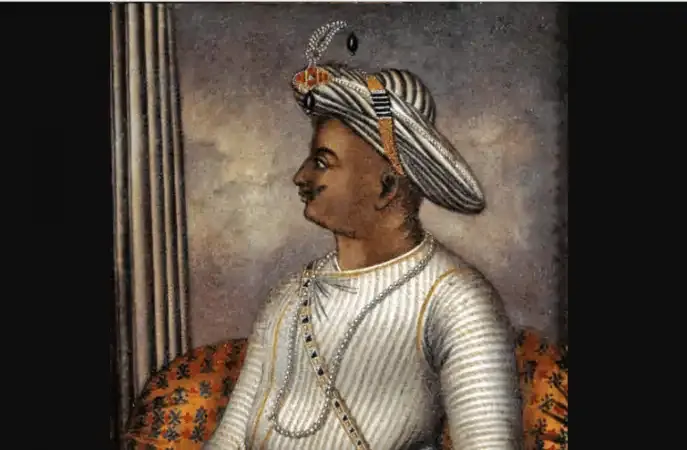

Centuries before satellites and space missions defined modern science, the Kingdom of Mysore pioneered an innovation that changed the dynamics of global warfare — iron-cased rockets. Under the leadership of Hyder Ali and later Tipu Sultan, Mysore developed the world’s first military rockets that could travel over two kilometres with devastating impact.
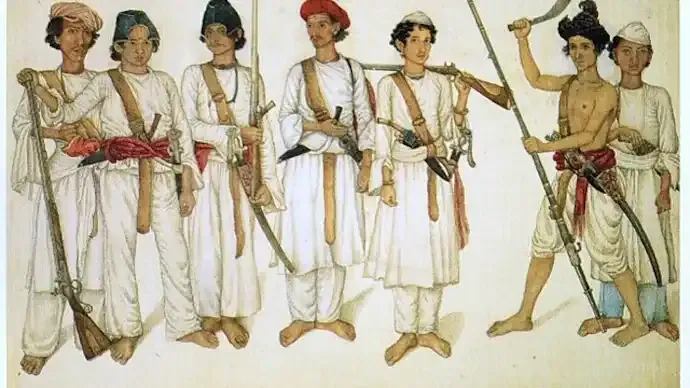
During the Anglo-Mysore Wars, particularly from the 1780s onward, these rockets were deployed in organized units known as rocket brigades. Mounted on long bamboo poles for stabilisation, the rockets carried gunpowder packed inside soft-iron cylinders, generating higher pressure and increased thrust. Their unpredictable flight paths, explosive landing impact, and psychological effect on enemy troops made them a formidable weapon on the battlefield.
The turning point came during the Battle of Pollilur (1780), where these rockets contributed significantly to Mysore’s victory over the British. By the 1790s, Tipu Sultan had an estimated 5,000 specialized rocket troops, each trained in coordinated rocket volley attacks that created chaos among enemy formations.

When Tipu Sultan fell in 1799 during the Siege of Seringapatam, the British seized large stockpiles of these rockets and their manufacturing equipment. The discovery led to intense study in England, particularly at Woolwich Arsenal, where military engineer William Congreve adapted the Mysorean design into what became known as the Congreve Rocket. These were soon deployed in the Napoleonic Wars and the War of 1812, symbolized famously in the phrase “the rockets’ red glare” in the United States national anthem.
Modern archaeology has reinforced this legacy. Major excavations in Nagara, Karnataka in 2002 and 2018 unearthed hundreds of precisely stored iron rocket cylinders, confirming advanced production and battlefield preparedness. These findings highlight not just innovation, but a sophisticated logistical and military ecosystem centuries ahead of conventional warfare technology.
While there is no proven link to NASA or later spaceflight pioneers, the Mysorean rockets undeniably sparked Europe’s entry into rocket-based artillery — a foundational step toward modern rocketry.
India’s strides in space exploration today — from lunar landings to interplanetary missions — reflect a long tradition of scientific ambition. The fiery trails over Srirangapatna in the 18th century stand as a reminder that the country’s reach for the skies began long before the modern age, with Tipu Sultan’s determination to innovate under the pressure of colonial expansion.
India’s journey to the stars truly began with rockets that once rose from the soil of Mysore — shaping both military history and global engineering progress.







Conversation
Be kind and stay on topic. Comments are moderated; abuse, spam and personal attacks are removed. Report a problem