

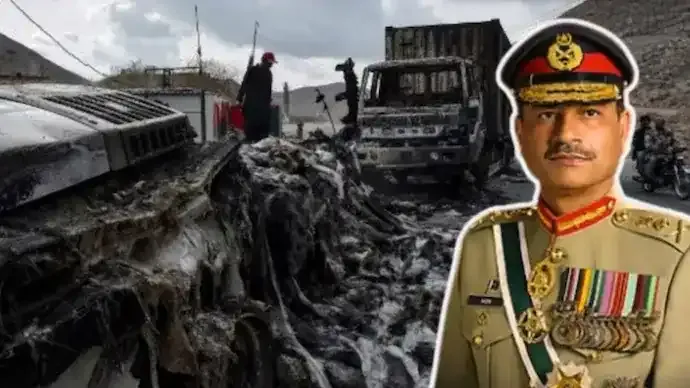

Pakistan witnessed its bloodiest year in more than a decade in 2025, as conflict-related fatalities surged dramatically, exposing deep-rooted security failures and the unintended consequences of past strategic choices. According to data released by the Pakistan Institute for Conflict and Security Studies, a total of 3,413 people were killed in militant violence and counterterrorism operations during the year — a staggering 74% increase from 2024.
The sharp rise in fatalities was driven primarily by two factors: a resurgence of fidayeen-style suicide attacks and the growing availability of advanced US-origin weapons that entered the region after the American withdrawal from Afghanistan. Together, these developments significantly enhanced the lethality and frequency of militant operations across Pakistan.
The findings highlight how Pakistan is increasingly facing violence from militant networks it once cultivated as strategic assets. Over decades, sections of Pakistan’s security establishment supported jihadist and insurgent groups to advance regional objectives, while simultaneously acting as a frontline ally in the US-led war in Afghanistan. This dual strategy flooded the Af-Pak region with weapons, trained fighters, and extremist networks. In 2025, those same networks turned inward with unprecedented force.

More than half of the fatalities recorded in 2025 — 2,138 deaths — were militants themselves, underscoring the intensity of clashes between armed groups and the state. The scale of counterterrorism operations also reflected the evolving nature of militant violence, which increasingly involved sophisticated weaponry and coordinated suicide attacks.
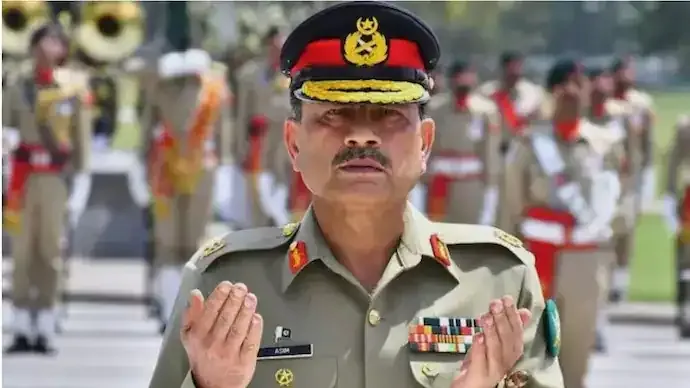
Pakistan is now battling a two-front internal conflict. Militancy has resurged strongly in Khyber Pakhtunkhwa, while ethno-nationalist insurgency has intensified in Balochistan. This has severely stretched the counterinsurgency capacity of the military led by Asim Munir, raising concerns about the sustainability of current security operations.
Role of US-Origin Weapons
One of the most consequential drivers behind the spike in violence was the widespread use of American military equipment by militant groups. Weapons left behind after the US withdrawal from Afghanistan in 2021 have gradually filtered into the hands of armed outfits such as the Tehrik-e-Taliban Pakistan (TTP).
Reports indicate that hundreds of thousands of weapons seized by the Taliban after their return to power went missing, were sold on black markets, or smuggled across borders. A United Nations assessment in early 2025 warned that several extremist groups, including al-Qaeda-linked networks, were accessing these arms either directly or through illicit trade routes. This influx of advanced weaponry significantly boosted the operational capabilities of militant organisations targeting Pakistan.
Surge in Suicide Bombings
Another defining feature of 2025 was the sharp rise in suicide attacks. The PICSS recorded 26 suicide bombings during the year, a 53% increase compared to 2024. These attacks largely targeted security forces, military convoys, and sensitive installations, including those linked to Chinese interests in Balochistan.
Notably, the nature of insurgency in Balochistan also evolved. Women increasingly emerged as participants in militant operations, reflecting a broader and more radicalised resistance against perceived exploitation of the region.
In total, 1,066 militant attacks were documented in 2025, with groups such as the TTP claiming responsibility for a large share of the violence.
Heavy Losses for Security Forces and Civilians
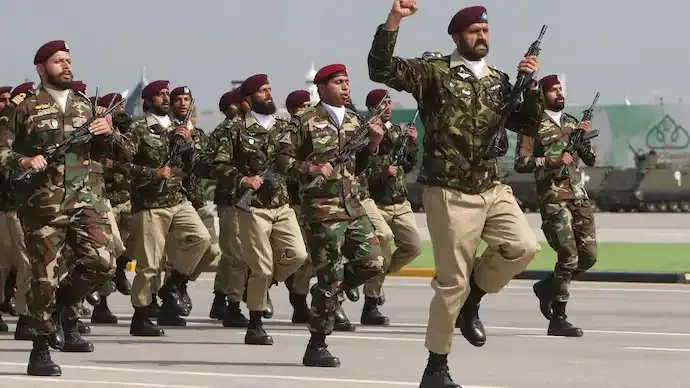
Pakistan’s security forces suffered their heaviest losses since 2011, with 667 personnel killed — a 26% increase from the previous year. Civilian casualties also rose sharply, with 580 deaths recorded, the highest since 2015. Pro-government peace committee members were also targeted, highlighting militants’ efforts to dismantle local support structures.
Even Pakistan’s leadership acknowledged the gravity of the situation. Asif Ali Zardari referred to the deteriorating security environment in his New Year message, calling for resilience amid mounting challenges.
As Pakistan enters 2026, the data suggests a critical inflection point. Analysts argue that continued reliance on external blame narratives will do little to curb violence. Instead, the crisis calls for a comprehensive national approach combining security action with political inclusion, economic development, and community engagement — without which the cycle of violence is likely to persist.





Conversation
Be kind and stay on topic. Comments are moderated; abuse, spam and personal attacks are removed. Report a problem