



As the financial year progresses, taxpayers must keep track of important income tax deadlines to avoid penalties and unnecessary complications. Whether it involves correcting an already filed return or paying advance tax, understanding the timelines can help individuals and businesses remain compliant with tax rules.
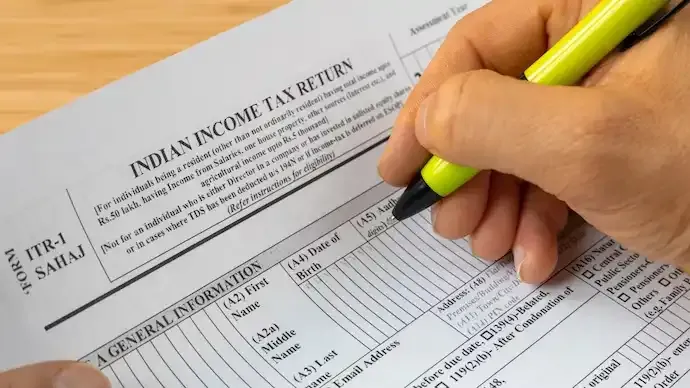
Many taxpayers file their income tax returns early but later realise they made errors or forgot to report certain details. Fortunately, the tax system allows individuals to correct such mistakes through revised returns, provided they act before the deadline.
Extended Timeline for Revised Income Tax Returns
Under the current tax rules, taxpayers can submit a revised return until December 31 following the relevant tax year. This provision allows individuals to correct mistakes in their original return, such as inaccurate income details, missing deductions, or incorrect tax calculations.

However, the government has proposed extending this deadline to March 31 following the tax year, giving taxpayers additional time to revise their filings.
The proposed change would apply to both original returns and belated returns, allowing taxpayers to correct errors even if they had initially missed the standard filing deadline.
During the Budget announcement, Finance Minister Nirmala Sitharaman stated that the extended timeline aims to provide more flexibility and improve compliance within the tax system.
Possible Fees for Late Revised Returns
If the proposed extension becomes applicable, taxpayers may still have to pay a small fee for revising their returns after December 31.
Under the proposal:
-
Taxpayers with income up to ₹5 lakh may need to pay a fee of ₹1,000.
-
Taxpayers with income above ₹5 lakh could face a ₹5,000 fee.
Tax professionals believe the extension will benefit taxpayers who need extra time to review their financial documents or correct errors discovered later.
Experts also note that updated returns may now be allowed even during reassessment proceedings, although additional charges may apply in such cases.
Understanding Advance Tax
Apart from filing returns, taxpayers must also pay attention to advance tax payments.
Advance tax follows the principle of “pay as you earn.” If a taxpayer’s estimated tax liability for the financial year exceeds ₹10,000 after tax deducted at source (TDS), they are required to pay taxes in instalments throughout the year.
This rule applies not only to businesses but also to salaried individuals, freelancers, professionals and self-employed taxpayers.
The advance tax system helps distribute tax payments across the financial year instead of creating a large payment burden at the end.
Advance Tax Payment Schedule
Advance tax is paid in four instalments during the financial year:
-
June 15: At least 15% of the total tax liability must be paid.
-
September 15: The payment should reach 45% of the total liability, including earlier instalments.
-
December 15: Taxpayers must pay 75% of the total liability.
-
March 15: The final instalment ensures 100% of the estimated tax is paid.
Any tax paid on or before March 31 is also treated as advance tax for that financial year.
Penalties for Missing Advance Tax Deadlines
Failing to pay advance tax on time can lead to interest charges under the Income Tax Act.
Interest may be imposed under Section 234B for default in payment of advance tax and Section 234C for delays in paying instalments.
In most cases, the interest rate is 1% per month or part of a month on the unpaid amount.
Why Tracking Tax Deadlines Is Important
With India’s tax system becoming increasingly digital, authorities are encouraging taxpayers to stay informed about compliance requirements and deadlines.
Keeping track of revised return timelines and advance tax instalments helps individuals avoid penalties, correct mistakes in time and manage their finances more effectively.
As tax rules evolve, experts recommend reviewing financial records carefully and filing or revising returns well before the deadline to avoid last-minute stress.








Conversation
Be kind and stay on topic. Comments are moderated; abuse, spam and personal attacks are removed. Report a problem