

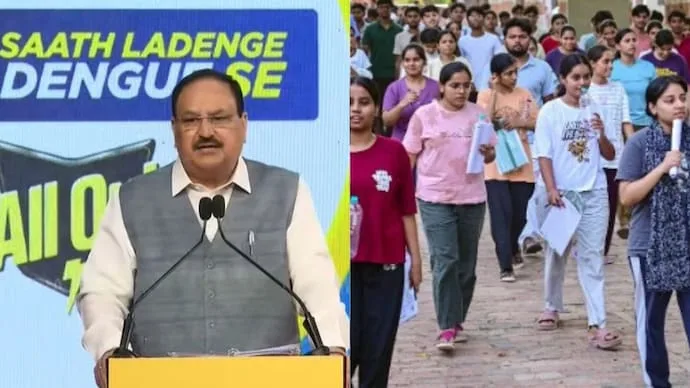

Union Health Minister JP Nadda has highlighted India's expansion of medical education and healthcare infrastructure, stating that the country now has 23 All India Institutes of Medical Sciences (AIIMS), compared with one earlier, and 863 medical colleges, up from 387.
Speaking at the HealthWealth Summit, Nadda said the government was working towards its target of adding 75,000 undergraduate and postgraduate medical seats by 2029. According to the minister, 45,000 seats have already been added over the past two years.
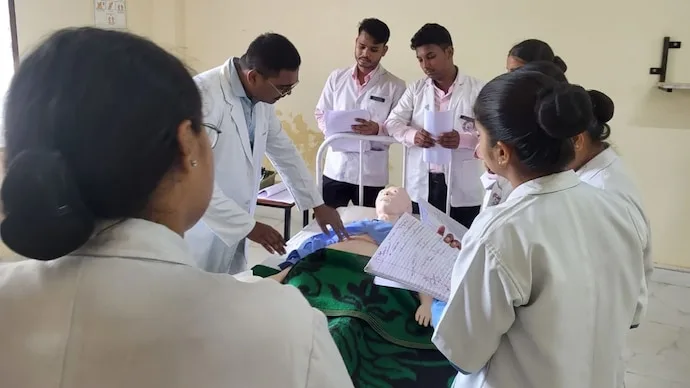
The expansion is part of the government's broader effort to increase access to medical education while maintaining quality and strengthening the country's healthcare system.

Undergraduate and Postgraduate Medical Seats Increase
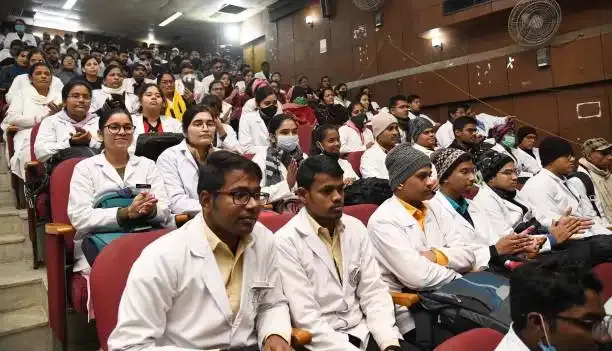
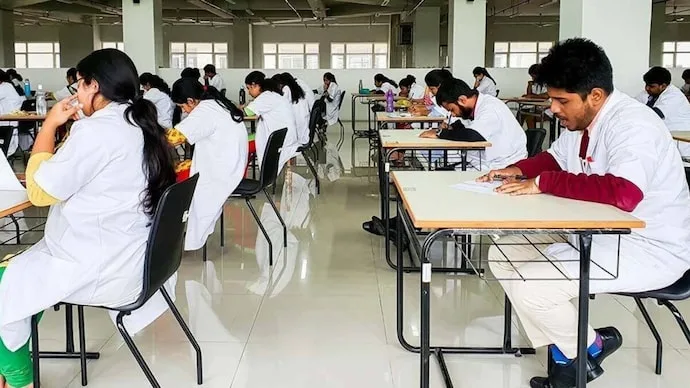
Nadda said undergraduate medical seats had increased from 51,000 to 1.43 lakh, while postgraduate medical seats had risen from 31,000 to 86,000.
He said the government was progressing towards the target of adding 75,000 more undergraduate and postgraduate seats by 2029, as directed by Prime Minister Narendra Modi.
The minister expressed confidence that the remaining target would be achieved, emphasising that increasing the number of seats must go hand in hand with ensuring quality medical education.
₹15,000 Crore Allocated for 10,000 PG Seats
Highlighting the financial commitment to expanding medical education, Nadda said the Centre had decided to provide ₹1.5 crore per seat for 10,000 postgraduate medical seats.
He stated that ₹15,000 crore had been allocated specifically for these seats. The allocation is intended to support the expansion of postgraduate medical education and increase opportunities for aspiring medical professionals.
The minister presented the investment as part of efforts to strengthen the country's medical training capacity alongside the expansion of undergraduate and postgraduate seats.
1.86 Lakh Ayushman Arogya Mandirs Established
Nadda also highlighted developments in primary healthcare, stating that 1.86 lakh Ayushman Arogya Mandirs (AAMs) had been established across India.
He underlined the importance of health information systems in making healthcare more accessible, efficient, modern and digitally enabled.
According to the minister, strengthening healthcare infrastructure, expanding medical education and modernising health information systems are important steps towards improving healthcare delivery across the country.
The government's focus, as outlined by Nadda, combines increased medical training capacity with investment in primary healthcare and digital systems to support a wider healthcare network.
For official health policy updates, visit the Ministry of Health and Family Welfare.





Conversation
Be kind and stay on topic. Comments are moderated; abuse, spam and personal attacks are removed. Report a problem