

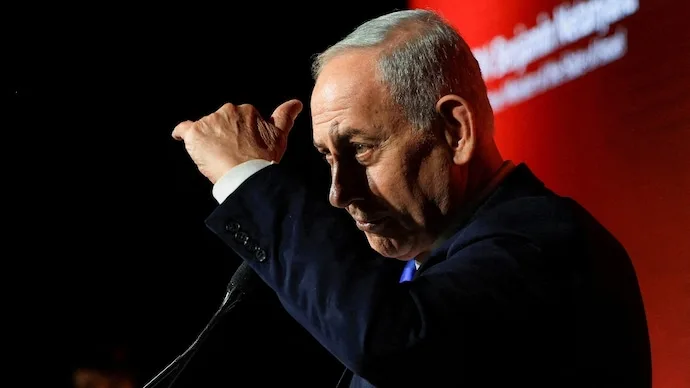

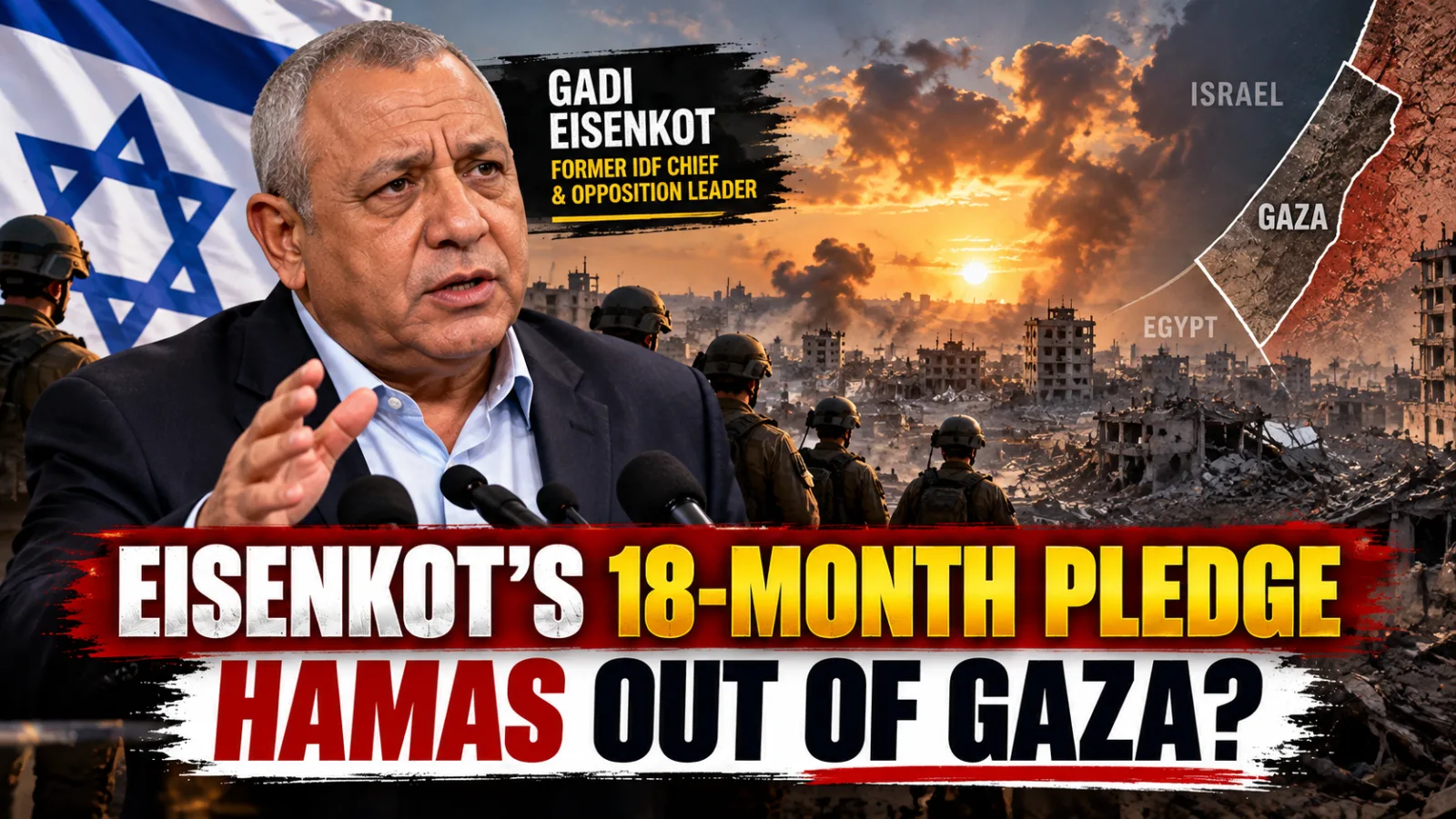
Israel election exit polls have pointed to a closely contested political battle, with opposition leader Gadi Eisenkot’s bloc projected to hold a narrow advantage over Prime Minister Benjamin Netanyahu’s alliance. However, neither side appears to have secured the majority required to form the next government.
Updated projections from three major television networks placed Eisenkot’s bloc at 52 seats and Netanyahu’s Likud-led alliance at 50 in the 120-member Knesset. The remaining 18 seats were projected to go to Arab parties not aligned with either bloc.
The projections could give Eisenkot an opportunity to attempt government formation, but his reluctance to partner with Arab parties complicates the path to a majority. If coalition negotiations fail, Netanyahu could remain caretaker prime minister.

The exit polls differed across broadcasters. Channel 14, considered supportive of Netanyahu, projected 60 seats for the prime minister’s bloc and its allies. Final results could take several days to emerge.
Record Turnout in Election After October 7 Attacks
Israel’s Central Elections Committee reported turnout of 77.7%, the highest in more than two decades and approximately seven percentage points above the 2022 election.
The vote was the first since the Hamas-led October 7, 2023, attacks and the subsequent wars involving Gaza, Lebanon and Iran. The attacks killed around 1,200 people in Israel and resulted in 251 people being taken hostage.
Netanyahu faced criticism over security and intelligence failures preceding the attacks. He argued that his government had strengthened Israel’s security by targeting senior figures from Hamas, Hezbollah and Iran.
Yohanan Plesner, president of the Israel Democracy Institute, described the exit-poll projections as a setback for Netanyahu’s coalition. The outgoing Knesset had been controlled by a 68-seat coalition, while the latest projections suggested the bloc could fall to around 50 seats.
Eisenkot Emerges as a Major Opposition Challenger
Eisenkot, 66, is a former military chief who entered politics four years ago. He joined Netanyahu’s war cabinet following the October 2023 attacks but left eight months later, criticising the prime minister’s leadership.
Eisenkot presents himself as a centrist on domestic issues while maintaining a hardline security position. He opposes Palestinian statehood and has called for Hamas’s military wing to be dismantled.
Opposition leader Yair Lapid said the projections indicated a rejection of Netanyahu’s alliance. Yair Golan, leader of the Democrats party, also urged supporters to focus on strengthening democracy and protecting the state.
Arab Parties Could Influence Coalition Negotiations
The projected 18 seats held by Arab parties could complicate efforts to form a government. Although their strong turnout was significant, Eisenkot has largely ruled out forming a coalition with them.
Israel’s fragmented parliamentary system gives smaller parties considerable influence because no single party has ever secured an outright majority of 61 seats. Coalition negotiations are therefore likely to play a central role in determining the next government.
Netanyahu Relies on Security Record and Trump Support
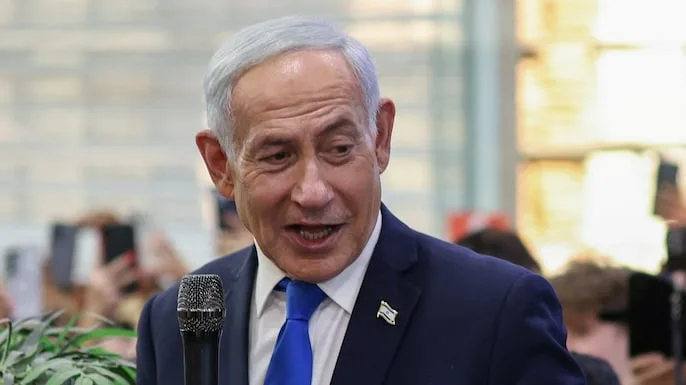
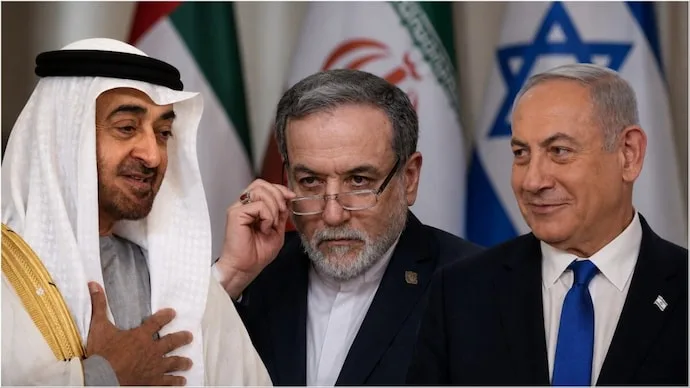
Netanyahu, 77, has served as prime minister for nearly 19 of the past 30 years and has repeatedly returned to power after political crises.
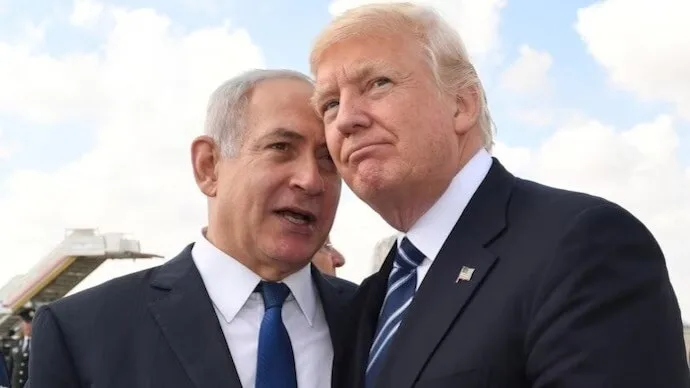
He campaigned on his security record and support from US President Donald Trump, while facing scrutiny over the October 7 security failures and longstanding corruption charges, which he denies.
With exit polls showing no clear majority, the final count and coalition negotiations will determine whether Netanyahu retains power or the opposition can assemble a governing alliance.




Conversation
Be kind and stay on topic. Comments are moderated; abuse, spam and personal attacks are removed. Report a problem