
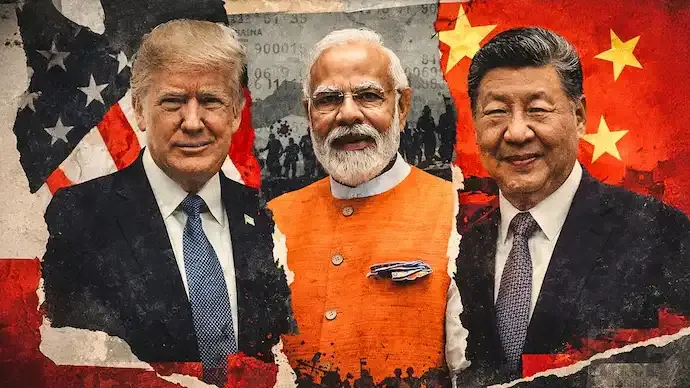
The newly announced India-US trade agreement is being viewed as more than just an economic arrangement aimed at lowering tariffs. Analysts believe the pact represents a broader strategic move that could strengthen India’s position in global manufacturing while reshaping competition with China in trade, technology and geopolitics. The deal, which reduces tariffs on Indian exports entering the US market, has the potential to accelerate India’s rise as a key alternative within global supply chains.
One of the most immediate impacts of the agreement lies in the tariff adjustments. With reduced duties on Indian goods compared to competing nations, exporters from sectors such as textiles, engineering goods, gems and jewellery are expected to gain a stronger foothold in the American market. Lower trade barriers could improve price competitiveness and encourage companies to diversify production toward India as part of the widely discussed China-Plus-One strategy.
The China-Plus-One approach refers to multinational firms expanding operations beyond China to reduce supply chain risks. Rising geopolitical tensions, higher manufacturing costs and trade restrictions on Chinese goods have already prompted many global companies to explore alternative destinations. The India-US deal reinforces this trend by offering clearer trade advantages, making India an increasingly attractive investment hub for long-term manufacturing and export growth.
Beyond economic benefits, the agreement carries significant geopolitical implications. Strengthened trade ties between New Delhi and Washington are expected to deepen collaboration in strategic areas such as defence cooperation, critical minerals, technology partnerships and regional initiatives in the Indo-Pacific. Observers suggest that the pact reflects a shared effort to rebalance global trade dynamics while reducing over-dependence on a single manufacturing powerhouse.
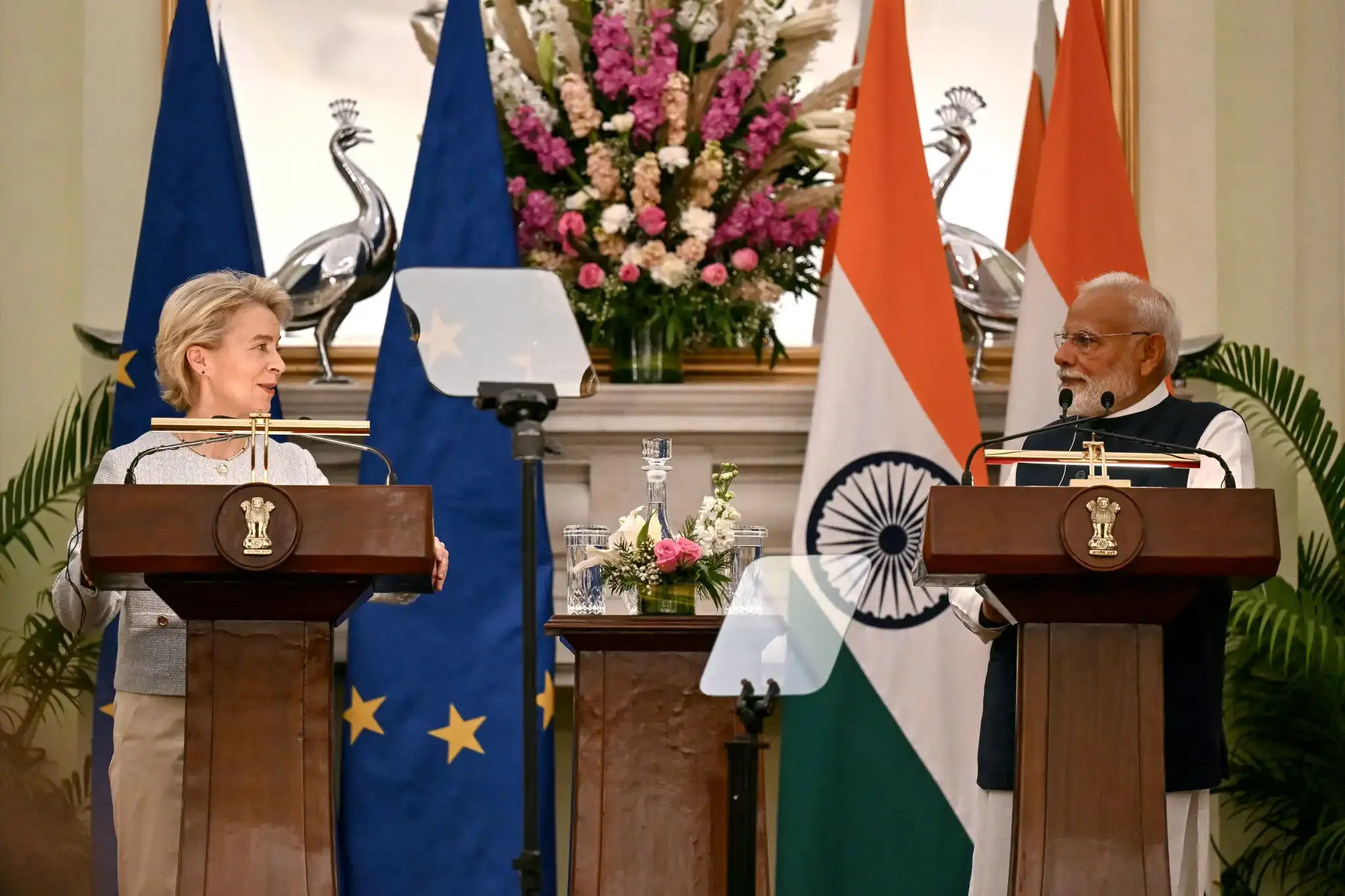
The timing of the deal is also notable as India negotiates additional trade agreements with other major partners. A future pact with the European Union, along with ongoing efforts to expand bilateral trade frameworks, could collectively reshape India’s position in global commerce. If implemented effectively, these initiatives may help attract foreign direct investment, support domestic production and create employment opportunities across multiple sectors.
Economists highlight that while tariff reductions provide an immediate boost, the long-term advantage will depend on how quickly India scales up infrastructure, logistics and manufacturing capacity. Government initiatives aimed at strengthening domestic industry, combined with a large skilled workforce, could allow India to capture a larger share of global supply chains previously dominated by China.
The agreement also reflects changing dynamics in international politics, where economic partnerships increasingly overlap with strategic objectives. By aligning more closely with key global markets while maintaining independent decision-making, India may gain additional leverage in negotiations across trade and security domains.
As global investors evaluate the evolving landscape, the India-US trade pact is being seen as a signal that the balance of manufacturing power could gradually shift. While China remains a dominant force, India’s expanding network of trade agreements, tariff advantages and policy incentives positions it as a strong contender in the next phase of global economic realignment.



Conversation
Be kind and stay on topic. Comments are moderated; abuse, spam and personal attacks are removed. Report a problem