



The Indian Air Force established overwhelming air superiority over Pakistan during Operation Sindoor, a decisive advantage that ultimately forced Islamabad to seek a ceasefire, according to a new strategic assessment by a Swiss defence research body. The study concludes that India’s control of the skies significantly altered the balance of power during the brief but intense confrontation, bringing the conflict to an end within just four days.
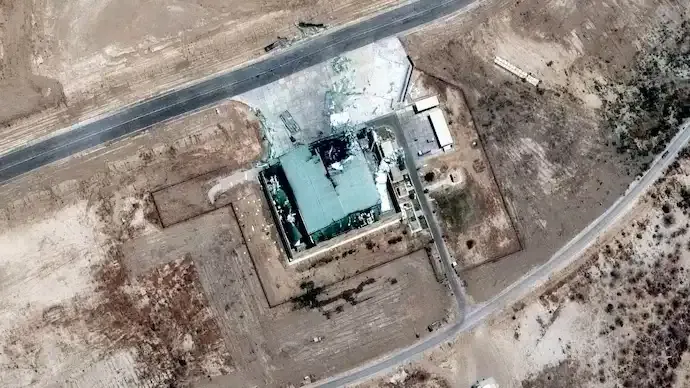
The assessment highlights that the Indian Air Force executed a coordinated air campaign that neutralised Pakistan’s aerial response and restricted its operational flexibility across key sectors. Superior situational awareness, precision strikes, and the integration of modern fighter platforms reportedly gave India a commanding edge early in the conflict.
Central to this dominance was the deployment of advanced aircraft, including the Rafale and Sukhoi Su-30MKI. The Swiss study notes that these platforms, supported by airborne early warning systems and network-centric warfare capabilities, allowed India to maintain continuous surveillance and rapid strike potential deep into contested airspace.

According to the report, Pakistan’s air assets were forced into a defensive posture shortly after hostilities began. Attempts to challenge Indian air operations were limited in scope and effectiveness, with Pakistan’s air force reportedly struggling to counter India’s technological and numerical advantages. This imbalance, the study argues, eroded Pakistan’s ability to sustain prolonged military engagement.
The analysis further points out that India’s control over the air domain had cascading effects on ground and strategic calculations. With airspace dominance established, India was able to deter escalation while retaining the option to expand operations if required. This strategic leverage reportedly left Pakistan with limited choices, increasing pressure on its leadership to pursue de-escalation.
The Swiss researchers describe Operation Sindoor as a clear example of how modern air power can decisively shape the outcome of short-duration conflicts. The rapid establishment of air superiority, they note, shortened the conflict timeline and reduced the risk of wider regional escalation.
Military observers cited in the study emphasise that the operation underscored India’s evolving air doctrine, which prioritises speed, precision, and integration across platforms. The Indian Air Force’s ability to combine intelligence, surveillance, and reconnaissance assets with frontline fighter squadrons was identified as a key factor behind its operational success.
The study also draws attention to the psychological impact of air dominance. Pakistan’s decision to seek a ceasefire, it suggests, was influenced not only by material losses but also by the recognition that India retained uncontested control of the airspace. In modern conflicts, such perception can be as decisive as battlefield outcomes.
Operation Sindoor has since become a reference point in global military circles analysing South Asian security dynamics. The findings suggest that India’s investments in modernisation, training, and joint operational planning have begun to yield tangible strategic dividends.
As regional security challenges continue to evolve, the Swiss assessment concludes that air superiority will remain a critical determinant in future conflicts. For India, Operation Sindoor is seen as a demonstration of credible deterrence, signalling its ability to achieve rapid dominance and compel adversaries to reconsider escalation.







Conversation
Be kind and stay on topic. Comments are moderated; abuse, spam and personal attacks are removed. Report a problem