

As the FIFA World Cup 2026 draws closer, Indian football finds itself at a painful crossroads. For millions of fans and countless children kicking a ball in narrow lanes and dusty grounds, the World Cup remains a dream — alive, emotional, but frustratingly distant. In 2026, Indian football must decide whether it wants to rebuild belief with honesty and structure, or allow that dream to quietly fade.
Despite years of setbacks, the love for football in India has never disappeared. From the bylanes of Kolkata to the grounds of Malappuram and Shillong, children still grow up dreaming not of supporting Brazil or Argentina, but of wearing the Blue Tigers jersey themselves. The problem has never been passion. The problem has always been the system that surrounds it.
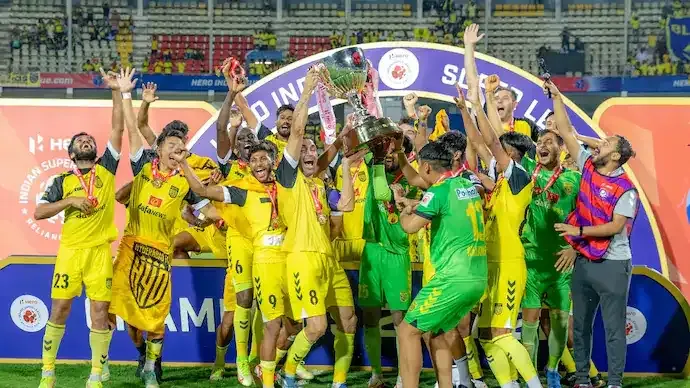
There was a time when hope felt tangible. The launch of the Indian Super League in 2014 promised a new era. Backed by corporate investment, celebrity ownership and foreign talent, Indian football finally looked organised. Players were paid better, infrastructure improved, and for a brief moment, it felt like the blueprint for long-term growth had been found.
A decade later, that promise has largely collapsed.
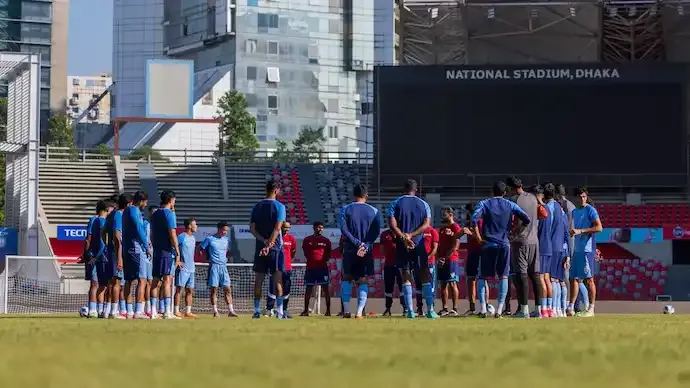
The year 2025 turned into one of the darkest chapters for Indian football. The national team failed to win a single international match. In the 2026 World Cup qualifiers, India finished third behind Qatar and Kuwait, managing just five points from six games and failing to register a win even against Afghanistan. Fan attendance dropped, and supporting the national team increasingly felt like emotional endurance rather than pride.
On the pitch, the struggles were evident. Veteran captain Sunil Chhetri was forced to return from international retirement in an attempt to stabilise a sinking ship. Off the pitch, instability only deepened. Coaching changes followed one another, eventually leading to the appointment of Khalid Jamil, the first Indian head coach of the national team in 13 years. But the structural cracks were far too deep for any single appointment to fix.
India’s decline was reflected sharply in rankings. The team slipped to 142 in the FIFA rankings — a long way from its historic best of 94 in 1996. The Asian Cup qualifiers brought further embarrassment, with India finishing bottom of their group behind Bangladesh, a nation ranked significantly lower.
Administratively, chaos ruled. The ISL failed to begin on schedule. Sponsors pulled back amid uncertainty at the All India Football Federation. No bids came in for league rights. The City Football Group exited Mumbai City FC. Domestic calendars collapsed, youth and women’s leagues stalled, and long-promised reforms remained on paper.
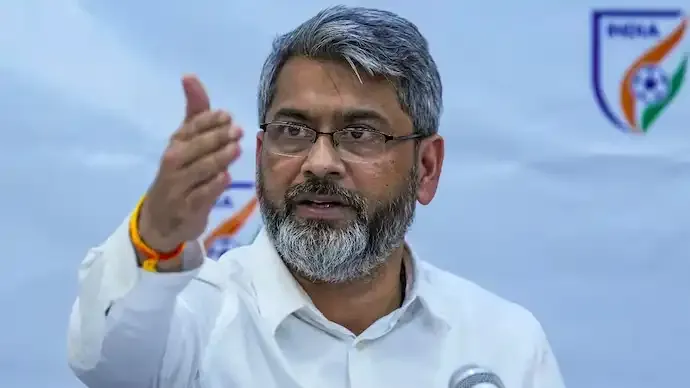
Much of this period unfolded under AIFF president Kalyan Chaubey, whose tenure has drawn sustained criticism. Initiatives like the Institutional League and “Vision 2047” roadmap were announced but not delivered. Transparency eroded, trust weakened, and Indian football drifted without direction.
Yet, the dream has not died.
It survives in grassroots tournaments, in underfunded academies, and in children who still answer “football” when asked what they play — even when the system gives them no reason to believe. Indian football does not need miracles or shortcuts. What it needs is accountability, continuity, and a structure that rewards talent instead of exhausting it.
The World Cup is more than a tournament. It is a compass. Right now, Indian football has lost its direction. With 2026 already here, the choice is stark: rebuild belief with action, or let the most cherished dream in Indian football slowly disappear.


Conversation
Be kind and stay on topic. Comments are moderated; abuse, spam and personal attacks are removed. Report a problem