Shopping cart
Your cart empty!
Your cart empty!
Terms of use dolor sit amet consectetur, adipisicing elit. Recusandae provident ullam aperiam quo ad non corrupti sit vel quam repellat ipsa quod sed, repellendus adipisci, ducimus ea modi odio assumenda.
Lorem ipsum dolor sit amet consectetur adipisicing elit. Sequi, cum esse possimus officiis amet ea voluptatibus libero! Dolorum assumenda esse, deserunt ipsum ad iusto! Praesentium error nobis tenetur at, quis nostrum facere excepturi architecto totam.
Lorem ipsum dolor sit amet consectetur adipisicing elit. Inventore, soluta alias eaque modi ipsum sint iusto fugiat vero velit rerum.
Sequi, cum esse possimus officiis amet ea voluptatibus libero! Dolorum assumenda esse, deserunt ipsum ad iusto! Praesentium error nobis tenetur at, quis nostrum facere excepturi architecto totam.
Lorem ipsum dolor sit amet consectetur adipisicing elit. Inventore, soluta alias eaque modi ipsum sint iusto fugiat vero velit rerum.
Dolor sit amet consectetur adipisicing elit. Sequi, cum esse possimus officiis amet ea voluptatibus libero! Dolorum assumenda esse, deserunt ipsum ad iusto! Praesentium error nobis tenetur at, quis nostrum facere excepturi architecto totam.
Lorem ipsum dolor sit amet consectetur adipisicing elit. Inventore, soluta alias eaque modi ipsum sint iusto fugiat vero velit rerum.
Sit amet consectetur adipisicing elit. Sequi, cum esse possimus officiis amet ea voluptatibus libero! Dolorum assumenda esse, deserunt ipsum ad iusto! Praesentium error nobis tenetur at, quis nostrum facere excepturi architecto totam.
Lorem ipsum dolor sit amet consectetur adipisicing elit. Inventore, soluta alias eaque modi ipsum sint iusto fugiat vero velit rerum.
Do you agree to our terms? Sign up
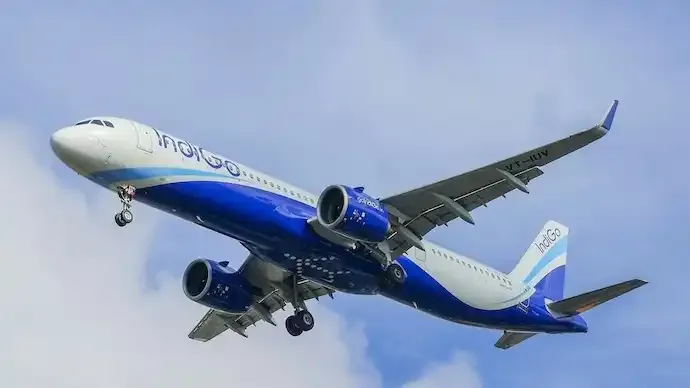
India’s largest airline, IndiGo, has announced a significant revision in pilot allowances, increasing payouts by up to ₹2,000 across multiple categories. The revised structure will come into effect from January 1, 2026, and follows widespread operational disruption earlier this month that saw more than 1,600 flights cancelled in a single day due to crew rostering constraints.
The allowance hike applies to several operational scenarios, including domestic layovers, night operations, deadhead travel, meal reimbursements, and a newly introduced tail-swap allowance. The decision comes amid mounting pressure on airlines to comply with revised Flight Duty Time Limitation (FDTL) norms, which place stricter caps on night operations and require higher crew availability.
The recent chaos in IndiGo’s operations was widely linked to inadequate preparedness for the implementation of revised FDTL rules. These norms restrict the number of night landings a pilot can operate, forcing airlines to deploy more pilots to maintain schedules. While aimed at improving flight safety and reducing fatigue, the new framework has sharply increased manpower requirements, particularly during the peak winter schedule.
IndiGo’s operational challenges prompted aviation regulator Directorate General of Civil Aviation to direct the airline to cut its winter schedule by 10 per cent, underscoring the seriousness of the disruption.
Under the revised policy, captains will now receive ₹3,000 for a domestic layover lasting between 10.01 and 24 hours, up from ₹2,000 earlier. First officers will receive ₹1,500, compared to the previous ₹1,000. For layovers extending beyond 24 hours, hourly allowances have also been enhanced.
Night operation incentives have seen a notable jump, with captains now eligible for ₹2,000 per night hour, while first officers will receive ₹1,000 per hour. Deadhead travel allowances — paid when pilots travel as passengers to operate flights from another base — have also been increased, along with meal reimbursements during transit.
A key addition is the tail-swap allowance, compensating pilots for last-minute aircraft changes that often disrupt duty schedules and increase operational complexity. This allowance did not exist earlier and reflects the airline’s attempt to address pilot concerns linked to unpredictable rostering.
Despite the hike, sources indicate that the revised allowances restore only about 25 per cent of the benefits that were reduced after the second phase of FDTL norms was implemented in November. Pilot groups have long argued that tighter duty limits, without proportionate compensation or staffing increases, place undue stress on crews and airline operations alike.
As of early December, IndiGo employed over 5,000 pilots, making it the largest pilot workforce in the country. However, industry experts say that rapid fleet expansion, combined with regulatory changes, has made crew management increasingly complex across India’s aviation sector.
The allowance revision is being viewed as a corrective step aimed at stabilising pilot morale and preventing further large-scale disruptions. With demand expected to remain strong through early 2026, the airline’s ability to balance regulatory compliance, crew welfare, and schedule reliability will be closely watched by regulators, passengers, and investors alike.
134
Published: Dec 30, 2025
All India Story is your trusted source for comprehensive and up-to-the-minute news coverage across India. Bringing you the latest on politics, business, technology, entertainment, sports, and more, we are dedicated to keeping you informed with accurate, engaging, and insightful stories from every corner of the nation.