


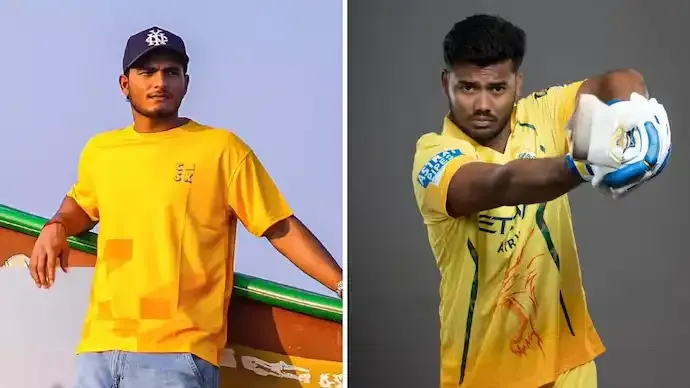
When Indian Premier League teams splashed ₹14.2 crore each on uncapped youngsters Prashant Veer and Kartik Sharma at the IPL 2026 auction, it reignited a familiar debate: what really happens after the auction spotlight fades for uncapped crorepatis?
For Prashant Veer, a 20-year-old from a small town near Amethi, the moment was life-altering. From relying on his grandfather’s pension to fund cricket dreams to becoming one of the most expensive uncapped players in IPL history, his story reflects the league’s unmatched ability to transform lives overnight.
But history suggests that a big auction price does not guarantee a long or successful career.

Since the IPL’s inception, uncapped players have often triggered bidding wars, driven by scouting reports, domestic performances and auction-room dynamics. Some have justified the investment and built lasting careers, while others struggled under the weight of expectations.
The trend began early. Players like Ravindra Jadeja and Shikhar Dhawan emerged from obscurity in the league’s initial seasons, proving that IPL was more than a stage for superstars. Over time, franchises refined their scouting networks, uncovering talent from domestic circuits and regional T20 leagues.
The outcomes, however, have been mixed.
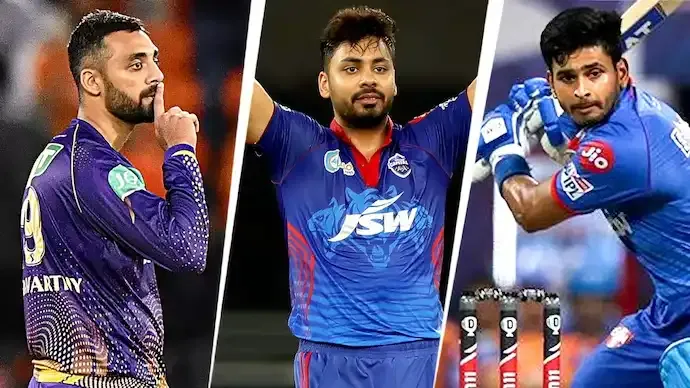
Shreyas Iyer, bought by Delhi Capitals for ₹2.6 crore in 2015, went on to become an India regular and one of the IPL’s most successful captains. Karn Sharma, picked for ₹3.75 crore in 2014, enjoyed a solid IPL career and even earned international caps. T Natarajan’s ₹3 crore deal in 2017 eventually led to a remarkable India comeback and a starring role in the historic Gabba Test.
Others struggled to convert promise into consistency. Pawan Negi, the most expensive uncapped player in 2016 at ₹8.5 crore, failed to justify the price tag. Krishnappa Gowtham’s ₹9.25 crore move in 2021 also failed to translate into sustained success.
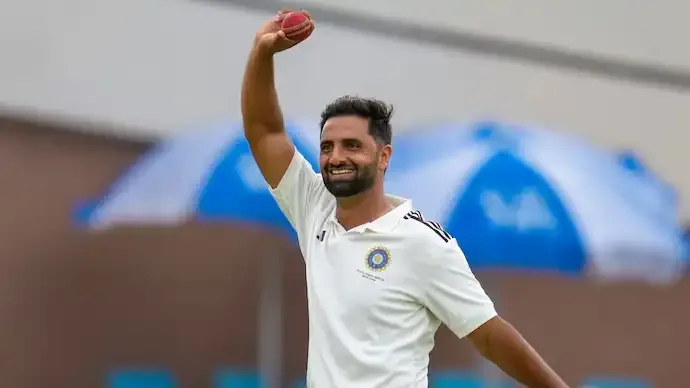
More recently, Varun Chakravarthy’s journey showed both extremes. Bought for ₹8.4 crore in 2019, injury derailed his first stint, but a reinvention with Kolkata Knight Riders turned him into one of India’s premier T20 bowlers. Avesh Khan, purchased for ₹10 crore in 2022, established himself as a reliable IPL pacer and a regular in India’s white-ball squads.
Meanwhile, younger names like Sameer Rizvi and Shivam Mavi highlight the fragility of hype-driven investments, where form, fitness and opportunity must align perfectly.
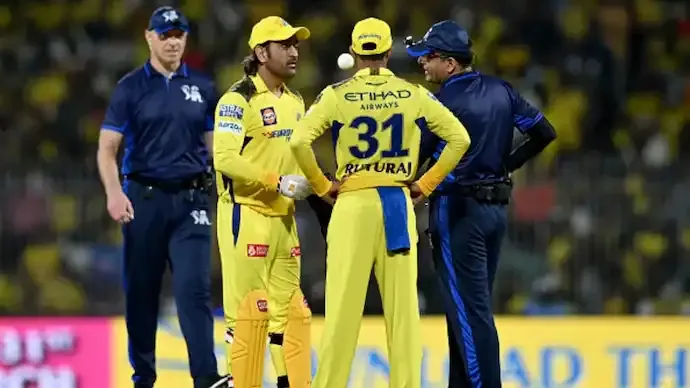
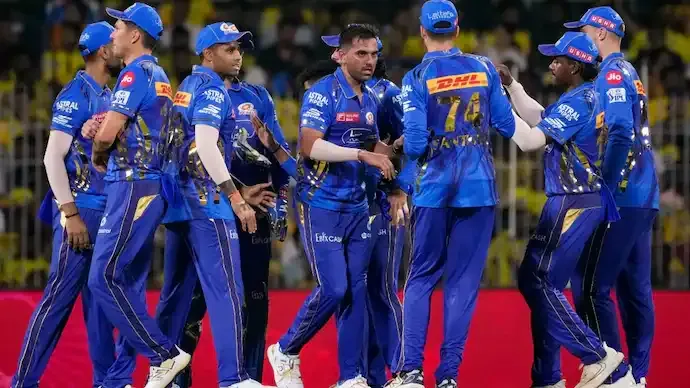
The irony of the 2026 auction was hard to miss. Chennai Super Kings, long known for backing experience, went all-in on youth, making two uncapped players the highest-paid in history. It reflects how the IPL has evolved — from a star-driven spectacle to a ruthless marketplace where potential commands a premium.
Ultimately, the price tag attached to an uncapped player often says more about auction dynamics than guaranteed output. Some adapt, grow and thrive under pressure. Others find the number too heavy to carry.
As Prashant Veer begins his IPL journey, history offers both hope and caution. In the IPL, opportunity can change lives — but only performance sustains careers.



Conversation
Be kind and stay on topic. Comments are moderated; abuse, spam and personal attacks are removed. Report a problem