

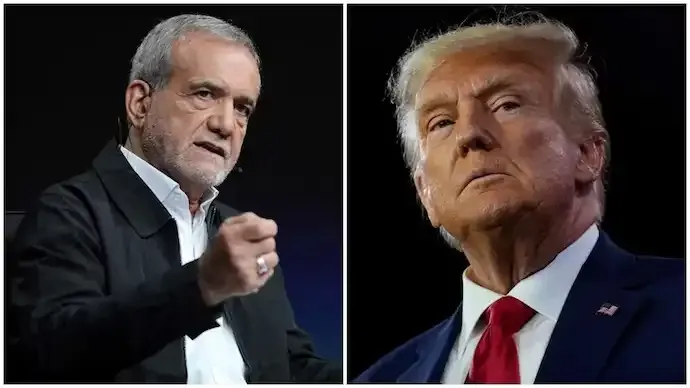

Tensions between Iran and the United States have escalated further after a deadly strike reportedly killed the wife of a senior Iranian official. The incident has triggered strong reactions from Iran’s leadership, with President Masoud Pezeshkian publicly questioning Washington’s intentions amid ongoing conflict.
The development has added a new layer of complexity to an already fragile geopolitical situation, as both nations navigate increasing military and diplomatic pressure.
Iran’s Leadership Calls for Global Judgment
In a strongly worded response, President Pezeshkian criticized the timing and nature of the strike, suggesting that it contradicts claims of openness to dialogue. He urged the global community to assess the situation, framing the incident as a test of credibility between diplomatic engagement and military action.

His remarks reflect growing frustration within Iran’s leadership, which has repeatedly emphasized the importance of negotiation while accusing the United States of undermining those efforts.
Escalating War of Words Between Iran and the US
The incident has intensified the ongoing exchange of statements between the two countries. Iran also responded sharply to remarks made by US officials, rejecting what it described as dismissive rhetoric about its capabilities and resilience.
Iranian leaders emphasized that civilizations cannot be weakened through military strikes, highlighting a broader narrative of resistance and national strength. These statements indicate a deepening divide in how both sides perceive the conflict and its resolution.
Impact on Diplomatic Efforts and Regional Stability
The latest development raises serious concerns about the future of diplomatic engagement between Iran and the United States. Analysts suggest that such incidents can significantly hinder dialogue and increase the risk of further escalation.
The Middle East remains a highly sensitive region, where even isolated events can trigger wider instability. Increased tensions could affect not only bilateral relations but also regional alliances and global security dynamics.
Human Cost of Ongoing Conflict
Beyond the political and strategic implications, the incident underscores the human cost of ongoing conflict. Civilian casualties, including family members of officials, highlight the broader impact of military actions on individuals and communities.
Such events often deepen public sentiment and influence political decision-making, making conflict resolution even more challenging.
Global Attention on Next Steps
As tensions continue to rise, the international community is closely watching how both countries respond. Calls for restraint, dialogue, and de-escalation are expected to grow stronger in the coming days.
The situation remains fluid, with potential implications for global peace, energy markets, and international relations. Observers stress that diplomatic solutions remain critical to preventing further escalation.





Conversation
Be kind and stay on topic. Comments are moderated; abuse, spam and personal attacks are removed. Report a problem