


Global economic growth is projected to slow to 2.6% in 2026, down from 2.9% in 2025, as the Middle East crisis triggers an energy shock and puts pressure on the world economy, according to the United Nations Conference on Trade and Development (UNCTAD).
In its Trade and Development Report, UNCTAD said global trade in goods and services could grow by 4% in constant prices this year, following a record $35 trillion in global trade during 2025. However, higher energy prices are expected to account for a significant part of the projected increase in trade value and activity.
The outlook reflects mounting geopolitical risks, changing international trade patterns and concerns about financial vulnerabilities linked to the artificial intelligence boom.

Asia Expected to Drive Global Economic Growth
Asia is projected to contribute 59% of global economic growth in 2026, highlighting the region's importance as other parts of the world face economic uncertainty.
UNCTAD forecasts that India's economy will grow by 7.3%, compared with 4.5% for China and 5.2% for Indonesia. India's projected expansion is the highest among the three economies cited in the report.
Despite the challenges posed by rising energy prices and geopolitical tensions, the region is expected to remain a major source of global economic momentum.
US-China Trade Patterns Continue to Shift
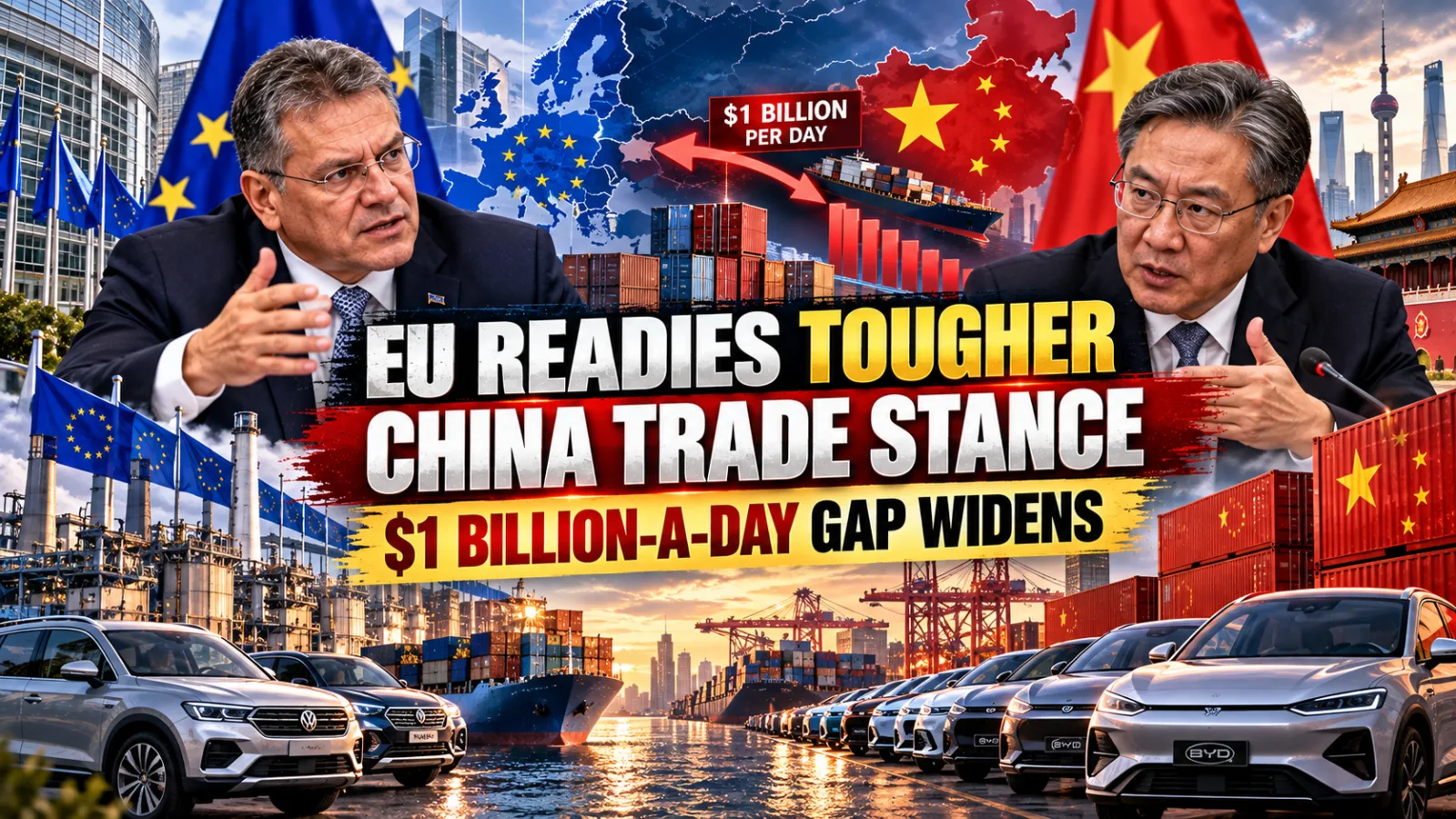
Trade between the United States and China has declined by more than 20% since 2024, according to UNCTAD. At the same time, East Asia has increased trade with both China and North America, reflecting changes in global supply chains.
The agency warned that restrictions on trade and investment could make it more difficult for new businesses to enter strategic industries. Export controls, investment screening and supply-chain requirements are among the barriers affecting market access.
These changes underscore how geopolitical tensions and trade policies are reshaping international commerce.
AI Trade Growth Brings Financial Stability Concerns
Artificial intelligence-related products, including semiconductors, have emerged as important drivers of merchandise trade. However, UNCTAD cautioned that stronger demand for these products does not necessarily translate into wider economic development.
The agency also warned that financial markets could face risks if gains become increasingly dependent on a small number of companies benefiting from the AI boom. Such concentration could leave markets vulnerable to sharp corrections.
World Bank and IMF Present Different Forecasts
The World Bank lowered its global growth forecast to 2.5% in June, citing the effects of the Middle East conflict. Under a worst-case scenario, it projected that growth could fall to 1.3%.
The International Monetary Fund has offered a more optimistic forecast of 3%, while warning about risks from the Iran war, trade fragmentation and potential AI-related market corrections.
UNCTAD's 2.6% projection sits between the two institutions' estimates, reflecting continued uncertainty over energy prices, geopolitical developments and financial market stability.





Conversation
Be kind and stay on topic. Comments are moderated; abuse, spam and personal attacks are removed. Report a problem