
Iran’s Abbas Araghchi Accuses US of Double Standards Over Russian Oil

Iran’s Abbas Araghchi Accuses US of Double Standards Over Russian Oil

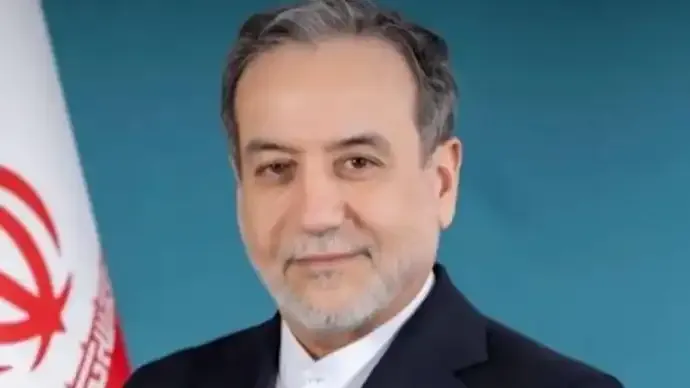
Abbas Araghchi, the foreign minister of Iran, has criticised the United States for what he described as double standards regarding the global trade of Russia oil.

In a strong statement shared on social media, Araghchi argued that Washington had previously pressured countries such as India to reduce or stop importing Russian crude, but is now encouraging nations to purchase the same oil amid the ongoing geopolitical crisis.

The remarks highlight growing tensions in global energy diplomacy as conflicts in the Middle East continue to disrupt oil markets.

Iran Questions US Oil Policy Shift

According to Araghchi, the current situation exposes what Tehran calls a contradiction in Washington’s energy policy.

The Iranian foreign minister said that for months the United States urged countries to cut dependence on Russian energy following sanctions imposed during the Ukraine conflict.

However, with global oil markets under pressure due to the ongoing tensions in the Middle East, Washington has reportedly relaxed its stance and allowed temporary purchases of Russian oil.

Iran argues that this shift demonstrates inconsistency in US foreign policy.

Russian Oil Back in Focus

Global attention has turned toward Russian oil again after the United States recently introduced a temporary waiver allowing countries to buy certain Russian oil shipments already at sea.

The decision was seen as an attempt to stabilise global energy markets after oil prices surged above $100 per barrel.

Analysts say disruptions linked to the crisis in the Middle East and the closure of key shipping routes have created concerns about supply shortages.

India’s Role in the Energy Debate

India has been one of the largest buyers of Russian crude since Western sanctions were imposed on Moscow.

The country significantly increased imports from Russia in recent years due to discounted prices and the need to secure stable energy supplies for its growing economy.

Araghchi’s remarks referenced the earlier pressure Washington had placed on India to reduce these imports.

However, current developments suggest a more flexible approach as governments attempt to manage global energy stability.

Global Energy Markets Under Strain

The ongoing conflict in the Middle East has disrupted major oil shipping routes and created uncertainty in global energy markets.

Key transit points such as the Strait of Hormuz play a crucial role in the global supply chain, with a large share of the world’s crude oil passing through the narrow waterway.

Any disruption in this region can lead to immediate spikes in oil prices and increased geopolitical tension.

Growing Diplomatic Friction

Araghchi’s criticism reflects broader diplomatic tensions between Iran and the United States.

Energy policy has become one of the most contested issues in international relations, especially as countries attempt to balance sanctions, strategic alliances and economic needs.

As global oil markets remain volatile, statements from major energy producers and consumers continue to influence political and economic discussions worldwide.

For now, the debate over Russian oil and global energy supply highlights the complex and rapidly shifting nature of international diplomacy.

Prev Article
Report Claims Iran Supreme Leader Mojtaba Khamenei Injured, In Coma After Airstrike
Next Article
Trump Claims US Bombed Iran’s Kharg Island in Major Strike Amid Escalating War

Related to this topic: