
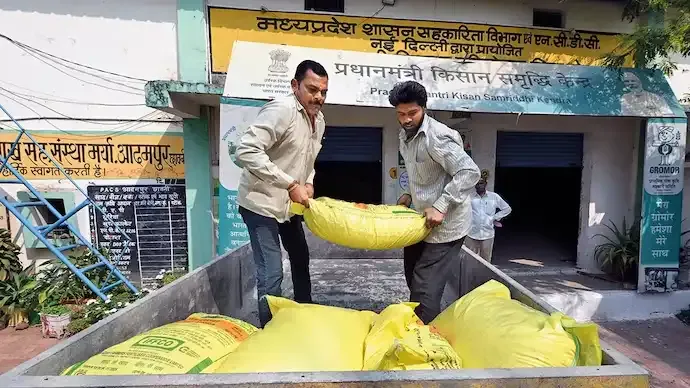
The ongoing conflict involving the United States, Israel, and Iran is now impacting global supply chains, with serious consequences for India’s agricultural sector. One of the most critical disruptions has occurred at the Strait of Hormuz, a key maritime route for transporting fertilisers and other agricultural inputs.
Restricted movement of merchant vessels through this strategic passage has slowed down shipments, creating uncertainty in supply for countries like India that rely heavily on imports.
Impact on India’s Agricultural Sector Intensifies
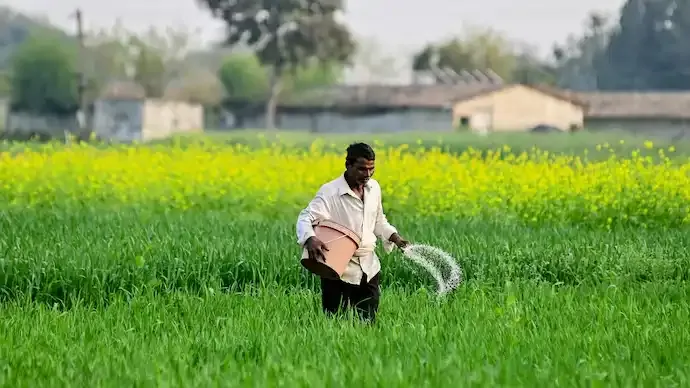
As India prepares for the upcoming Kharif season, the disruption in fertiliser supply is becoming a growing concern. Farmers depend on timely availability of inputs such as fertilisers and pesticides to ensure optimal crop yield.
Any delay or shortage during this crucial period could directly affect agricultural productivity, leading to reduced output and increased pressure on food prices.
Ground Reports Highlight Rising Concerns
Field reports from Madhya Pradesh indicate that farmers are already experiencing the early effects of the crisis. Many are facing input shortages and rising costs, which are increasing the financial burden on agricultural operations.
Traders and local suppliers have also raised concerns about delays in shipments and limited stock availability. While current reserves may be sufficient for now, experts warn that the situation could worsen by May if supply chains are not stabilised.
Rising Costs and Supply Chain Uncertainty
The disruption has not only affected availability but also pushed up prices of essential inputs. Increased transportation costs, delays, and uncertainty in imports are contributing to rising fertiliser prices in the domestic market.
This could have a cascading effect, impacting farmers’ profitability and eventually leading to higher food prices for consumers.
Experts Warn of Long-Term Implications
Agricultural experts believe that if the conflict continues and supply chain disruptions persist, the impact could extend beyond a single cropping season. Prolonged shortages may force farmers to reduce usage of fertilisers, affecting soil productivity and crop quality.
There are also concerns about inflationary pressures in the food sector, which could influence the broader economy.
Need for Immediate Policy Intervention
The current situation highlights the importance of strengthening supply chain resilience and reducing dependency on external sources. Experts suggest that proactive government measures, including alternative sourcing and strategic reserves, could help mitigate the impact.
As global tensions continue, ensuring uninterrupted access to agricultural inputs will be critical for maintaining food security in India.


Conversation
Be kind and stay on topic. Comments are moderated; abuse, spam and personal attacks are removed. Report a problem