



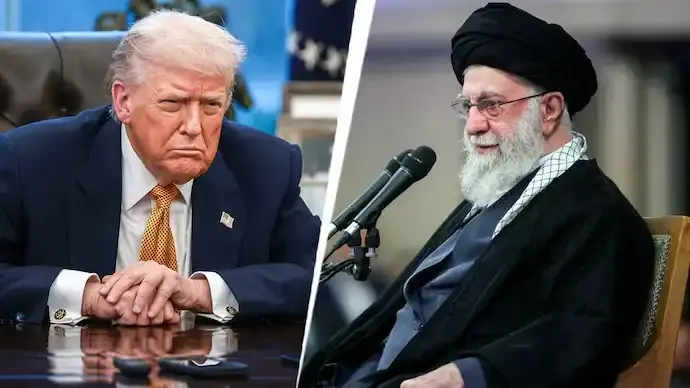
A new flashpoint has emerged in the rapidly escalating confrontation between Washington and Tehran after Iranian state television aired what appeared to be a direct and chilling threat against US President Donald Trump. The broadcast used imagery from the 2024 assassination attempt on Trump to convey a stark warning, marking one of the most explicit threats issued by Iranian state media in recent years.
The segment featured a photograph from Trump’s July 2024 campaign rally in Butler, Pennsylvania, where he was injured after being grazed by a bullet during an assassination attempt. Superimposed on the image was a message that read: “This time, the bullet will not miss the target.” The broadcast has been widely interpreted as an unmistakable reference to the earlier attack and an open threat directed at the US President.
The airing comes at a moment of heightened geopolitical strain, as reports suggest the Trump administration is actively weighing military options against Iran. Tehran has accused Washington of exploiting Iran’s internal unrest as a justification for possible intervention, an allegation US officials have repeatedly denied.

So far, Iranian authorities have not issued any formal clarification or denial regarding the broadcast. However, the imagery and messaging have drawn international attention due to their unprecedented nature. Analysts say the use of assassination imagery on state television represents a sharp escalation in psychological and political signalling by Tehran.
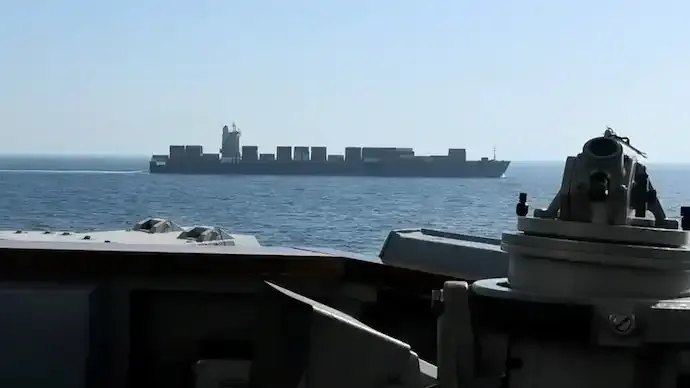
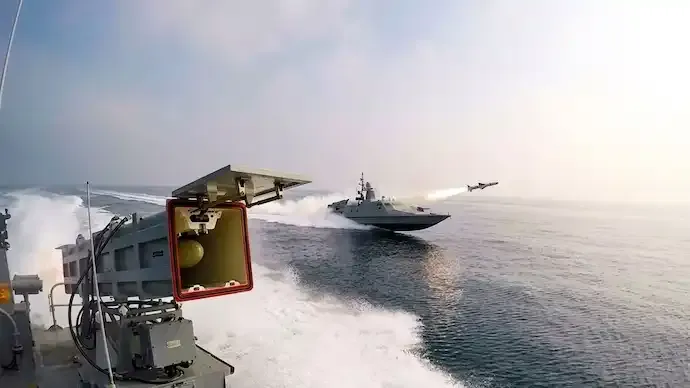
The threat follows reports that the United States has begun repositioning military assets across the Middle East amid fears of potential retaliation if strikes on Iran are carried out. These developments include reported troop movements from Al Udeid Air Base, the largest American military facility in the region. Iranian officials have recently referenced a retaliatory strike carried out in June 2025 on the same base, underscoring Tehran’s intent to remind Washington of its capacity to respond.
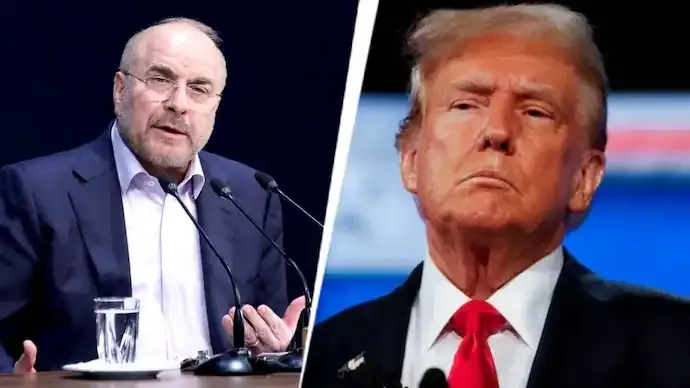
Speaking earlier this week in a televised interview, Trump warned that the United States would take decisive action if Iran intensified its crackdown on protesters. He said Washington would not ignore reports of mass killings or executions, adding that severe consequences would follow if such actions continued.
Iranian leaders have dismissed these remarks, claiming they are being used as a pretext for foreign intervention. Meanwhile, unrest inside Iran shows little sign of easing. Protests that erupted in December over economic collapse and the plunging value of the rial have since evolved into broader demonstrations against the country’s leadership.
Security deployments have intensified across major cities, including Tehran, with witnesses describing frequent clashes between protesters and law enforcement. The mounting pressure has placed the Iranian leadership, headed by Supreme Leader Ayatollah Ali Khamenei, under significant strain, both domestically and internationally.
Human rights groups report a rising toll from the crackdown. Estimates suggest that more than 2,600 people have been killed and over 18,000 detained since the protests began, figures that Tehran disputes. On Wednesday, Iranian authorities organised a mass funeral for around 100 security personnel killed during the unrest, with large crowds attending and displaying images of the supreme leader.
The latest broadcast has deepened concerns that rhetoric between the US and Iran is entering a more dangerous phase. As both sides harden their positions, diplomatic observers warn that the combination of internal unrest, military posturing, and explicit threats significantly raises the risk of miscalculation in an already volatile region.




Conversation
Be kind and stay on topic. Comments are moderated; abuse, spam and personal attacks are removed. Report a problem