

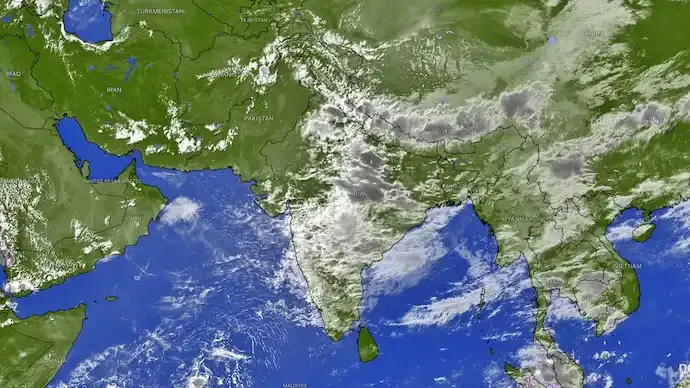

Despite widespread cloud cover stretching across much of the Indian subcontinent, the 2026 southwest monsoon continues to deliver uneven rainfall, with some regions facing flood risks while others remain hot, humid and relatively dry.
According to meteorologists, the developing El Niño is influencing the monsoon's circulation, resulting in an irregular distribution of rainfall instead of the widespread and consistent showers typically associated with the season.
Why Are There Rain Clouds but Little Rain?
Recent satellite imagery shows dense rain-bearing clouds extending from central India to the Indo-Gangetic plains and the eastern coast.

However, cloud cover alone does not guarantee heavy rainfall.
Weather experts say the current rainfall pattern is being shaped by the monsoon trough, which is presently extending from Amritsar across northern India to West Bengal. This alignment is concentrating moisture over eastern and peninsular India, leaving several northern and northwestern states with only scattered showers and persistent humidity.
States Expected to Receive Heavy Rain
The India Meteorological Department (IMD) has forecast very heavy rainfall exceeding 12 centimetres over several states in the coming days.
Heavy Rainfall Expected In:
- Odisha
- Chhattisgarh
- Kerala
- Coastal Karnataka
Meteorologists say the active monsoon trough is enhancing convection over these regions, increasing the likelihood of intense rainfall.
Himalayan States Face Flood and Landslide Risk
The Himalayan region is also expected to remain under active monsoon conditions over the next week.
States likely to witness heavy to very heavy rainfall include:
- Uttarakhand
- Himachal Pradesh
- Other adjoining hill regions
Authorities have warned of an increased risk of:
- Landslides
- Flash floods
- Rising river levels
- Waterlogging in vulnerable areas
Residents and travellers have been advised to stay alert and follow weather advisories.
Delhi-NCR to Continue Experiencing Heat and Humidity
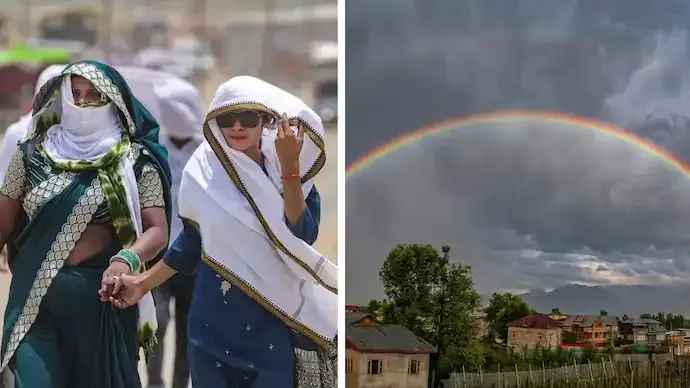
In contrast, Delhi-NCR is expected to receive only light rainfall over the next few days.
The IMD has issued a heat and humidity alert, warning that temperatures and moisture levels are likely to remain above normal despite occasional showers.
The lack of widespread rainfall means residents may continue to experience uncomfortable weather conditions.
Rainfall Likely to Increase in Punjab and Haryana
Punjab and Haryana, which have so far received relatively subdued rainfall this monsoon, may witness increased rain activity over the next two to three days.
Meteorologists expect the northwestward movement of the monsoon trough to improve rainfall across these states.
How Is El Niño Affecting the Monsoon?
Weather experts explain that El Niño does not necessarily stop the Indian monsoon but often alters its behaviour.
Instead of producing evenly distributed rainfall, El Niño tends to:
- Shift rain-bearing systems
- Concentrate rainfall over selected regions
- Leave neighbouring areas comparatively dry
- Increase the contrast between flood-prone and drought-prone areas
As El Niño strengthens over the coming months, experts believe India could continue to witness significant regional differences in rainfall.
Challenges for the Rest of the Monsoon Season
The uneven rainfall pattern presents two major challenges:
- Flood management in states receiving excessive rainfall.
- Water conservation and drought preparedness in regions experiencing rainfall deficits.
Meteorologists say both disaster management and efficient water resource planning will remain critical throughout the remainder of the 2026 monsoon season.
Key Highlights
- El Niño is disrupting the 2026 southwest monsoon, causing uneven rainfall across India.
- Odisha, Chhattisgarh, Kerala and coastal Karnataka are likely to receive very heavy rainfall.
- Uttarakhand and Himachal Pradesh face an increased risk of landslides and flash floods.
- Delhi-NCR is expected to continue experiencing heat and humidity with only light showers.
- Punjab and Haryana may see improved rainfall over the next two to three days.
FAQs
How is El Niño affecting India's monsoon?
El Niño is altering the monsoon's circulation, causing rainfall to become uneven. Some regions receive excessive rain while others experience below-normal rainfall.
Which states are expected to receive heavy rainfall?
The IMD has forecast heavy to very heavy rainfall in Odisha, Chhattisgarh, Kerala and coastal Karnataka.
Will Delhi receive heavy rain?
No. Delhi-NCR is expected to receive only light showers, while heat and humidity are likely to persist over the next few days.
Why are there clouds but little rainfall?
Cloud cover alone does not ensure heavy rain. The current position of the monsoon trough is concentrating rainfall over specific regions, leaving others with only scattered showers.
Which areas face flood risks?
Odisha, Chhattisgarh, Kerala, coastal Karnataka, Uttarakhand, Himachal Pradesh and adjoining Himalayan regions face an increased risk of heavy rainfall, flash floods and landslides.





Conversation
Be kind and stay on topic. Comments are moderated; abuse, spam and personal attacks are removed. Report a problem