

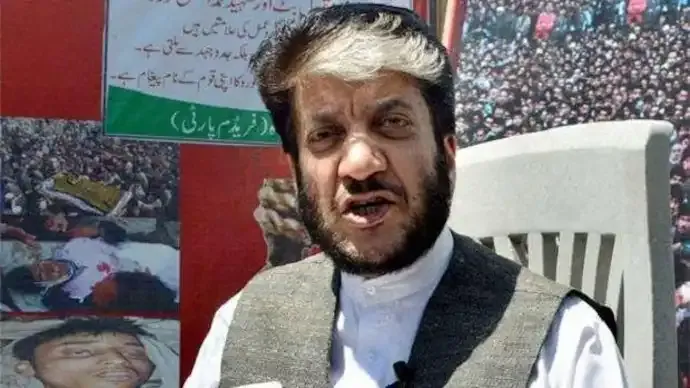

The National Investigation Agency (NIA) has filed a chargesheet against six senior leaders of the Hurriyat Conference in connection with the 1996 Srinagar funeral procession violence case, alleging that the procession was used to incite violence against security personnel and promote separatist activities.
The chargesheet was submitted before the NIA Special Court in Jammu and names Shabir Ahmad Shah, Syed Ali Shah Geelani, Abdul Ganie Lone, Mohammad Yaqoob Wakeel (also known as Mohammad Yaqoob Vakil), Javid Ahmad Mir, and Shakeel Ahmad Bakshi.
According to the investigating agency, the accused were part of a conspiracy that allegedly led to attacks on police personnel during a funeral procession held in Srinagar on July 17, 1996.

NIA Alleges Conspiracy Behind Funeral Procession Violence
The NIA stated that the case relates to a funeral procession organised following the death of militant Hilal Ahmad Beigh at Naaz Crossing in Srinagar.
According to the agency, the procession allegedly turned violent after participants attacked police personnel. The investigation claims the gathering was used to provoke unrest, mobilise support for separatist activities and encourage attacks on law enforcement officials.
The agency has invoked provisions of the erstwhile Ranbir Penal Code relating to:
- Criminal conspiracy
- Attempt to murder
- Rioting
- Assault on public servants
The accused have also been booked under Section 13 of the Unlawful Activities (Prevention) Act (UAPA).
Proceedings Against Three Accused Have Abated
The NIA said legal proceedings against Syed Ali Shah Geelani, Abdul Ganie Lone and Mohammad Yaqoob Wakeel have abated because all three died during the course of the investigation.
However, the agency stated that the chargesheet includes details of their alleged roles in the case based on evidence collected during the investigation.
Agency Alleges Armed Militants Opened Fire
According to the NIA, armed militants had allegedly mingled with the funeral procession before opening indiscriminate fire on police personnel deployed at the site.
The agency claims that several police personnel sustained injuries during the incident, while government vehicles were damaged amid heavy stone-pelting.
The chargesheet further alleges that anti-India, pro-Pakistan and separatist slogans were raised during the procession, along with speeches advocating armed struggle.
These allegations form part of the NIA's findings and will be subject to judicial examination during the trial.
Investigation Taken Over in 2026
The case was originally registered at Shergarhi Police Station in Srinagar on the day of the incident in 1996.
The Ministry of Home Affairs (MHA) later directed the National Investigation Agency to take over the investigation, following which the agency re-registered the case in April 2026.
After examining records, collecting evidence and conducting further investigation, the NIA has now filed its chargesheet before the designated court.
What Is a Chargesheet?
A chargesheet is a formal investigative report submitted by law enforcement agencies after completing an investigation.
It outlines:
- The allegations against the accused
- Evidence collected during the investigation
- Relevant legal provisions invoked
- Witness statements and supporting material
Filing a chargesheet does not amount to a conviction. The allegations will now be examined by the court, and the accused are entitled to defend themselves during the judicial process.
What Happens Next?
With the filing of the chargesheet, the NIA Special Court will now consider whether sufficient grounds exist to proceed with the trial against the surviving accused.
The court will examine the evidence presented by the prosecution before deciding the next stage of the proceedings.
Featured Snippet
The National Investigation Agency has chargesheeted six Hurriyat Conference leaders, including Shabir Ahmad Shah, in connection with the 1996 Srinagar funeral procession violence case. The agency alleges the procession was used to incite attacks on police and promote separatist activities. The allegations will now be examined by the court.
Key Highlights
- The NIA has filed a chargesheet against six Hurriyat Conference leaders.
- The case relates to violence during a funeral procession in Srinagar on July 17, 1996.
- Charges include criminal conspiracy, rioting, attempt to murder and offences under the UAPA.
- Proceedings against Syed Ali Shah Geelani, Abdul Ganie Lone and Mohammad Yaqoob Wakeel have abated following their deaths.
- The NIA alleges armed militants opened fire on police during the procession.
- The investigation was taken over by the NIA in April 2026 on the directions of the Ministry of Home Affairs.
- The case will now proceed before the NIA Special Court in Jammu.
Conclusion
The filing of the chargesheet marks a significant step in the investigation into the 1996 Srinagar violence case. While the NIA has detailed allegations of conspiracy, unlawful assembly and attacks on police personnel, the judicial process is yet to determine the merits of the case. The Special Court will now examine the evidence before deciding the future course of proceedings.
FAQs
1. Who has been chargesheeted by the NIA?
The NIA has chargesheeted Shabir Ahmad Shah, Syed Ali Shah Geelani, Abdul Ganie Lone, Mohammad Yaqoob Wakeel, Javid Ahmad Mir and Shakeel Ahmad Bakshi.
2. What is the 1996 Srinagar violence case?
The case relates to alleged violence and attacks on police during a funeral procession held in Srinagar on July 17, 1996.
3. What charges have been invoked?
The accused have been booked under provisions relating to criminal conspiracy, attempt to murder, rioting, assault on public servants and Section 13 of the UAPA.
4. Why have proceedings against three accused ended?
The NIA said proceedings against Syed Ali Shah Geelani, Abdul Ganie Lone and Mohammad Yaqoob Wakeel have abated because they passed away during the course of the case.
5. When did the NIA take over the investigation?
The agency took over the investigation in April 2026 following directions from the Ministry of Home Affairs.
6. Does filing a chargesheet mean the accused are guilty?
No. A chargesheet contains allegations and evidence gathered during the investigation. Guilt or innocence is determined only after judicial proceedings.
7. Which court received the chargesheet?
The chargesheet has been filed before the NIA Special Court in Jammu.
8. What happens after a chargesheet is filed?
The court will examine the material submitted by the investigating agency and decide whether to frame charges and proceed with the trial.





Conversation
Be kind and stay on topic. Comments are moderated; abuse, spam and personal attacks are removed. Report a problem