
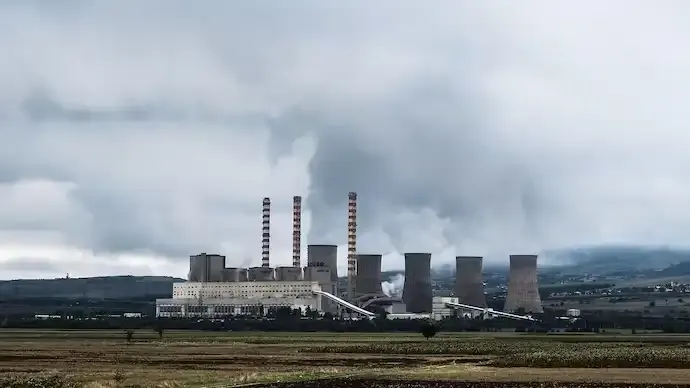
Oil and gas majors are increasingly portraying themselves as allies in the fight against climate change, rolling out projects branded as low-carbon alternatives. However, a new international study suggests that many of these initiatives may be doing the opposite — slowing down the global transition away from fossil fuels.
According to the research, several technologies promoted by the fossil fuel industry, including hydrogen, biofuels, carbon capture and storage (CCS), and carbon offsetting, often fail to deliver meaningful emission reductions. Instead, they allow companies to prolong fossil fuel extraction and infrastructure under the guise of climate action.
‘False Solutions’ and Fossil Fuel Lock-In
The study, led by the Institute of Environmental Science and Technology at the Universitat Autònoma de Barcelona (ICTA-UAB) along with the University of Sussex, analysed 48 environmental conflict cases worldwide. Researchers concluded that many of the industry-backed projects function as “false solutions” — initiatives that appear environmentally responsible on paper but reinforce fossil fuel dependence for decades.
The researchers found that oil and gas companies increasingly frame themselves as indispensable partners in the energy transition, easing political and social pressure for a rapid fossil fuel phase-out.
This approach enables continued expansion of pipelines, refineries and thermal power plants, now linked with hydrogen, biofuel or CCS infrastructure. One example cited is the proposed H2Med pipeline between Barcelona and Marseille, promoted as a hydrogen transport project but capable of carrying fossil gas, potentially extending gas reliance.
Questioning Climate Impact
Marcel Llavero-Pasquina, a researcher at ICTA-UAB, argued that genuine climate action should be measured by how much fossil fuel remains unextracted, not by the number of projects labelled as green.
The study notes that many of these technologies have yet to demonstrate the ability to reduce carbon emissions at the scale required to meet global climate targets. Instead, they often reproduce environmental injustices, contributing to air pollution, land dispossession and the loss of traditional livelihoods, particularly in countries of the Global South.
Public Funding, Private Gains
Another concern highlighted in the study is the use of public subsidies to support these projects. Researchers found that many initiatives receive substantial government funding, boosting private profits despite questionable climate benefits.
The study also points to growing alliances between fossil fuel companies and other high-emission sectors such as aviation, agribusiness and mining. These partnerships, the researchers argue, deepen economic dependencies and entrench the industry’s influence over governments, financial institutions and climate policy forums.
Freddie Daley, a research associate involved in the study, described the promotion of false solutions as a deliberate strategy rather than a technological failure.
The findings add to growing scrutiny over how fossil fuel companies frame their role in the energy transition, raising questions about whether such approaches delay the deep structural changes required to meet international climate commitments.






Conversation
Be kind and stay on topic. Comments are moderated; abuse, spam and personal attacks are removed. Report a problem