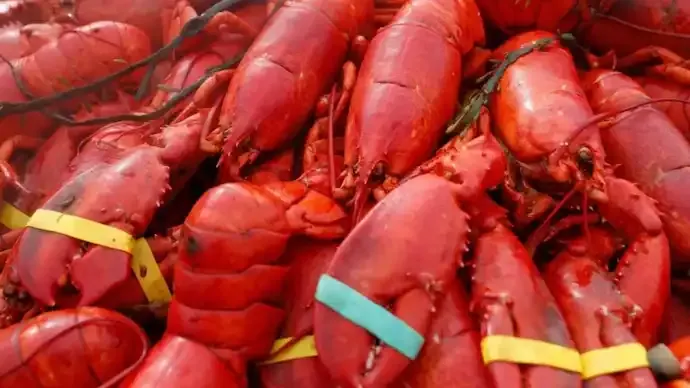
A series of high-value seafood thefts across the northeastern United States has raised alarms among law enforcement agencies and the logistics industry, after oysters, lobster, and crabmeat worth nearly $400,000 were stolen in separate but closely timed incidents. Authorities believe the crimes point to increasingly sophisticated cargo theft networks targeting perishable, high-demand food supplies.
The first reported theft occurred on November 22 in Falmouth, where nearly 40,000 oysters were stolen from an aquaculture site in Casco Bay. Investigators said 14 oyster cages were removed from the site, many containing full-grown oysters that were ready for market. Including the value of the cages, the loss was estimated at around $20,000.
Officials described the incident as a major setback for the local aquaculture operator, noting that oyster farming involves long growth cycles and significant upfront investment. The theft not only resulted in financial losses but also disrupted future harvest plans, highlighting the vulnerability of small-scale seafood producers.
Within weeks, two more thefts were reported roughly 160 miles away in Taunton, suggesting a wider pattern of organised cargo crime. In the first case, a shipment of crabmeat went missing after leaving a cold-storage warehouse operated by Lineage Logistics on December 2. Days later, on December 12, a separate consignment of lobster meat intended for Costco stores in Illinois and Minnesota was stolen.
According to logistics officials, the lobster theft involved a fraudulent trucking operation that impersonated a legitimate carrier. The perpetrators allegedly used spoofed email addresses, falsified documentation, and even altered vehicle branding to deceive brokers and warehouse staff. The shipment was released to the fake carrier and never reached its destination.
Industry experts say such impersonation-based thefts are becoming increasingly common. Criminal groups often exploit gaps in verification systems, particularly in fast-moving supply chains handling time-sensitive goods. Perishable seafood is especially attractive because it can be quickly resold through informal markets, restaurants, or secondary distributors before authorities can trace it.
Logistics professionals note that freight theft generally falls into two main categories. The first involves criminals posing as legitimate transport companies to physically steal goods, as seen in the lobster case. The second, often referred to as strategic theft, relies on cyber tactics such as phishing to manipulate payment systems or reroute shipments without directly handling the cargo.
The rising frequency of such crimes has become a major concern for the transportation and supply chain sector. Industry bodies warn that cargo theft has escalated over the past decade and has accelerated further in recent years due to digital vulnerabilities and strained logistics networks.
Beyond the immediate financial losses, experts stress that cargo theft ultimately affects consumers. Stolen goods increase insurance claims, disrupt supply chains, and drive up operational costs, which are often passed down in the form of higher prices. While seafood theft may seem niche, similar tactics are used to steal goods ranging from automotive parts to electronics and construction materials.
Authorities continue to investigate the incidents in Maine and Massachusetts, while industry leaders are calling for stronger verification processes, better coordination between brokers and carriers, and enhanced law enforcement focus on organised cargo theft rings. The string of thefts has underscored how even tightly regulated supply chains remain vulnerable to well-planned criminal operations.
Prev Article
5 Killed in US Strikes on Suspected Drug Boats, Search for Survivors Continues
Next Article
No Surrender, No Weak Deal: Zelenskyy Draws Red Lines on Ukraine Peace Talks